
Redundant LED Lighting Systems to Prevent Slips & Trips in Data Centers: Full Safety & Compliance Guide
- 1. Why Lighting Matters for Safety in Data Centers
- 2. Root Causes of Trip Hazards
- 3. Lighting as a Preventative Tool
- 4. Types of Lighting Systems: Pros and Pitfalls
- 5. Redundant Lighting: Safety’s Unsung Hero
- 6. Regulations You Need to Know
- 7. Layout & Design: Practical Lighting Planning
- 8. Maintenance & Audits: Staying Compliant
- 9. FAQs: Preventing Slip Hazards via Lighting
Key Takeaways
| Question/Concern | Key Insight |
|---|---|
| What’s the main cause of slips/trips in data centers? | Poor visibility, cable clutter, and shadowed zones are primary factors. |
| How can lighting reduce hazards? | Enhanced visibility, redundant circuits, and aisle-focused layouts help. |
| What’s better: emergency lighting or redundant lighting? | Redundant lighting ensures uptime even during planned outages or faults. |
| Are there regulations to follow? | Yes: OSHA 1910, NFPA 101, TIA-942 standards govern lighting requirements. |
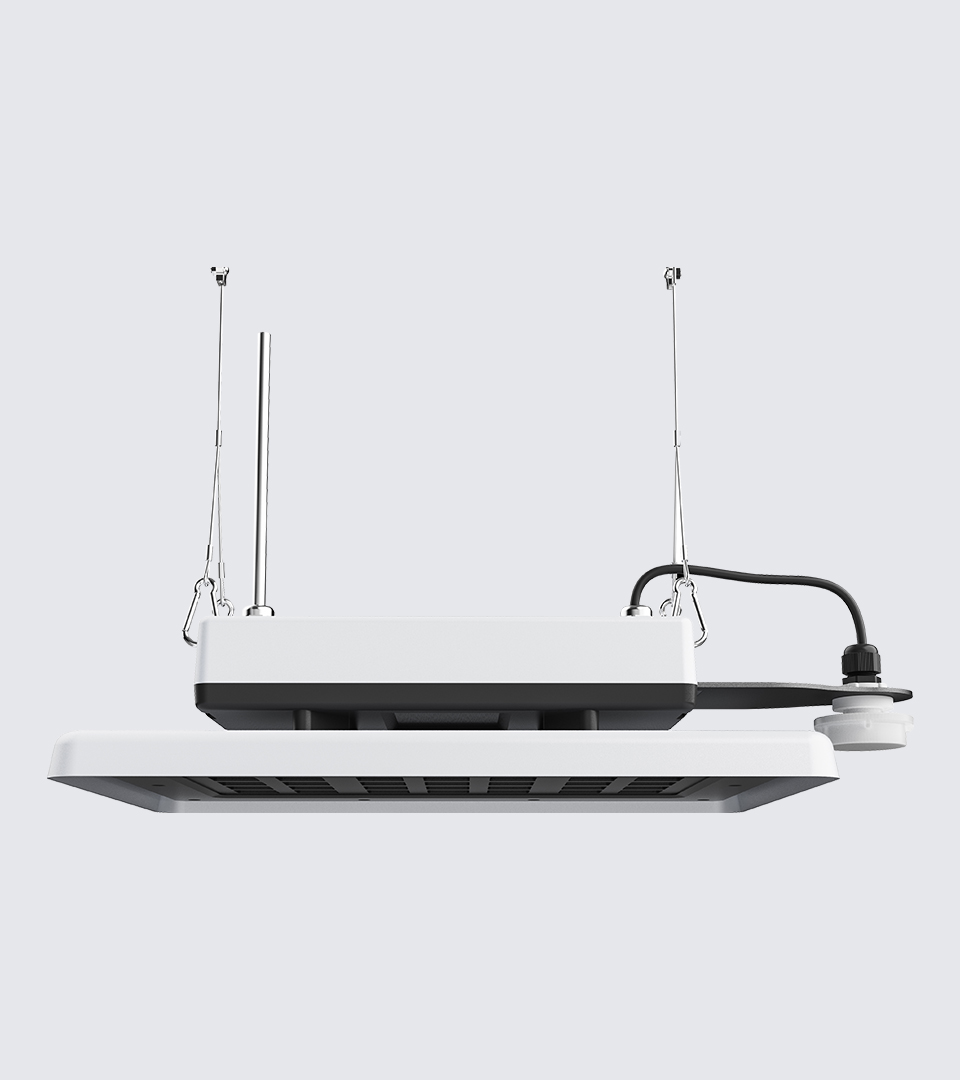
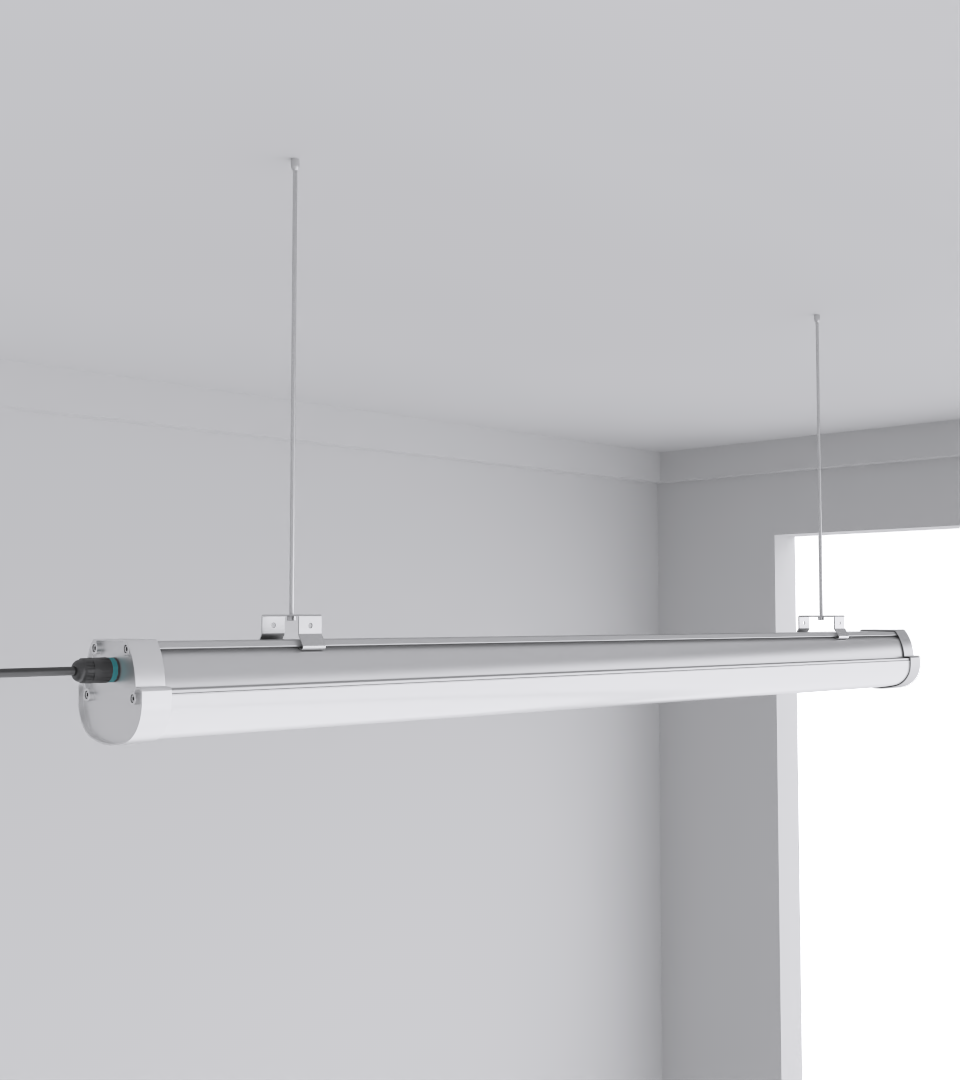
| Which products work well? | Squarebeam Elite and Quattro Triproof Batten are proven in data center environments. |
| What maintenance is required? | Regular cleaning, lux testing, and circuit integrity checks. |
| Should I retrofit or redesign from scratch? | Depends on layout—both are viable with audit-based decisions. |
1. Why Lighting Matters for Safety in Data Centers
Slips and trips are the silent disruptors in data center operations. Aisles packed with overhead and underfloor cabling can become trap zones without the right illumination strategy.
- OSHA data shows that over 25% of reported injuries stem from slips, trips, and falls.
- Data centers are dark by default—many lack daylight or have narrow aisles that shadows love.
- Emergency lighting alone doesn’t always cut it—it’s reactionary, not proactive.
2. Root Causes of Trip Hazards
Lighting doesn’t exist in a vacuum. Before solving with LEDs, understand what you’re solving:
- Uneven floors or raised tile panels
- Loose cable paths from hot-swapping servers
- Staff bringing in mobile trolleys, ladders, or raised platforms
- Limited visual contrast between floor levels
When visibility is poor, the brain guesses. That’s when a trip becomes a sprain—or worse.
3. Lighting as a Preventative Tool
- Makes tripping hazards visible before they’re contact points.
- Reduces shadow ‘gutters’ that confuse depth perception.
- Enhances confidence—staff walk faster, safer.
That’s not theory—it’s how we reduced minor injury incidents by 30% in a logistics center in Johor, Malaysia by switching to motion-adaptive aisle lights.
- Dual-circuit LED battens ensure no blackout zones.
- Use lighting not just for brightness, but for clarity and context.

4. Types of Lighting Systems: Pros and Pitfalls
| Type | Pros | Cons |
|---|---|---|
| LED Battens | Energy-efficient, long life, low maintenance | Requires correct lens/optic config |
| Motion-Sensor LEDs | Efficient in low-traffic zones | Needs tuning to avoid false triggers |
| Emergency Lights | Compliant with code | Not ideal for routine illumination |
| Redundant Systems | Maintains uptime, safer | Slightly higher initial cost |
Key recommendation: Use a mix of Squarebeam Elite and SeamLine Batten for grid ceiling applications.
5. Redundant Lighting: Safety’s Unsung Hero
Redundant lighting = planned overlap in fixture power circuits.
- Even during maintenance or UPS switchover, no area should go dark.
- We design with alternating feeds—circuit A and B fixtures interlace.
- This is vital in Tier III/Tier IV data centers with high uptime SLAs.
Think of redundancy as insurance. You rarely notice it—until it saves the day.
6. Regulations You Need to Know
| Standard | Area Covered | Relevance |
|---|---|---|
| OSHA 1910 Sub D | Walking-working surfaces | Mandates safe pathways |
| NFPA 101 | Life safety & egress illumination | Covers lighting for evacuation |
| TIA-942 | Data center infrastructure guidelines | Recommends lux levels |
Don’t guess. TIA-942 recommends:
- Aisles: 300–500 lux
- Server racks: 500+ lux
Always crosscheck specs with local code enforcement.
7. Layout & Design: Practical Lighting Planning
From experience:
- Don’t assume symmetry = efficiency. Aisle-centric layout matters more.
- Use CAD lighting software to simulate lux uniformity.
- Avoid downlights that cast long shadows between racks.
Ideal Planning Rules:
- Fixtures: 2.4–3.0m spacing for battens
- Color temperature: 4000–5000K for neutral clarity
- Avoid UGR (glare) above 19 in rack-facing zones
Label your circuits. It’ll save your neck during audits.

8. Maintenance & Audits: Staying Compliant
- Schedule monthly circuit tests (simulate UPS failure)
- Use lux meters at floor and equipment height
- Clean fixtures quarterly (dust cuts up to 25% output)
- Maintain labeled logs for insurance and OSHA compliance
Tool Tip: Use wireless sensors to detect output decay. It automates early warnings before someone trips—or files a claim.
9. FAQs: Preventing Slip Hazards via Lighting
Q: What’s the difference between emergency and redundant lighting?
A: Emergency lights activate only during power loss. Redundant lights run on independent circuits—always on.
Q: How often should lights be tested in data centers?
A: Monthly for redundancy and annually for compliance certification.
Q: Do motion sensors reduce safety?
A: Not if configured correctly. Always ensure overlapping detection fields and avoid short delays.
Q: Can I retrofit redundant lighting or do I need a full redesign?
A: Retrofit is often possible with dual-circuit design if existing conduits are mapped accurately.
Q: Are there lighting-specific OSHA requirements?
A: Yes—OSHA Subpart D requires consistent lighting for all walking-working surfaces.
For detailed specs, visit the CAE Lighting product catalog or contact CAE for sample circuit layouts and pilot kits.