Remote Access Lighting for Data Centers: Protocols, Power Systems, and Control Strategies Explained
–
- What Remote Access Means for Data Center Lighting
- The Role of CAE Lighting’s Product Range in Remote Deployment
- Control Technologies Compared: DALI vs PoE vs Wireless
- Cloud Management: Remote, Responsive, Reliable
- Predictive Maintenance and Diagnostics
- Security & Compliance in Remote Access
- Best Practices for Lighting Deployment in Remote Facilities
- Case Studies: What’s Working in 2025
- Frequently Asked Questions (FAQ)
Key Takeaways
| Benefit | Why It Matters in Data Centers |
|---|---|
| Remote Control & Monitoring | Reduces on-site labor, improves response time, ideal for edge sites |
| Energy Efficiency | Lowers cooling load and operating costs |
| Protocol Flexibility | Supports PoE, DALI, DC, Zigbee; adaptable to existing systems |
| Security & Compliance | Enables network segmentation, supports certifications (TIA-942-A etc.) |
| Smart Automation & Scheduling | Adapts lighting to occupancy, time, events |
| Predictive Maintenance | Proactively handles faults, reduces downtime |
| Integration with BMS & DCIM | Aligns lighting data with operational dashboards |
| Future-Proofing for AI & IoT | Sets stage for intelligent, fully autonomous infrastructure |
1. What Remote Access Means for Data Center Lighting
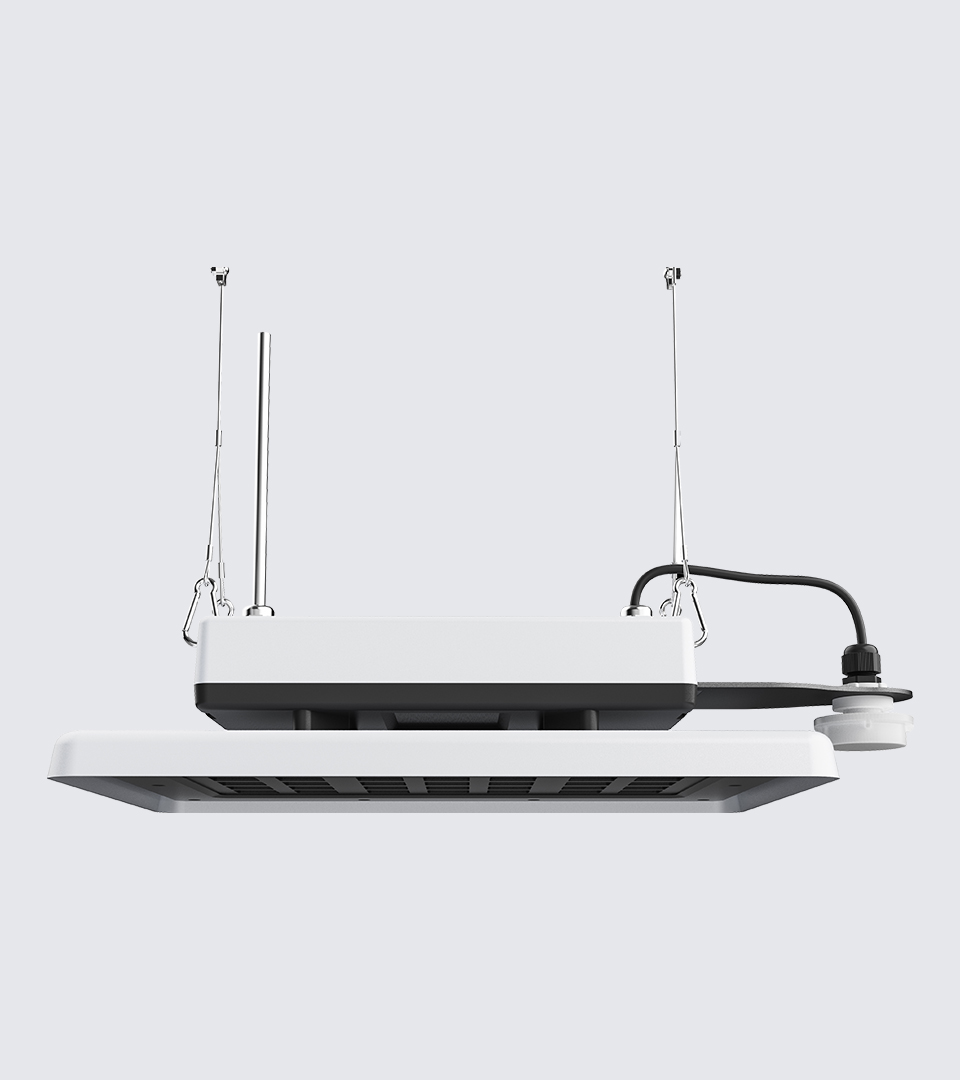
Remote access in lighting systems enables facility teams to monitor, control, and adjust lighting conditions across a data center—without needing to be physically present. For large-scale or edge data centers, this is a crucial operational upgrade.
- On-demand lighting changes: trigger brightness/dimming by software.
- Sensor integration: presence, motion, ambient light sensors feed decisions.
- Real-time monitoring: status, uptime, performance, energy usage.
In Malaysia, we deployed over 300 motion-sensor luminaires in an unmanned server hall. Remote control reduced monthly site visits by 80%.
2. The Role of CAE Lighting’s Product Range in Remote Deployment

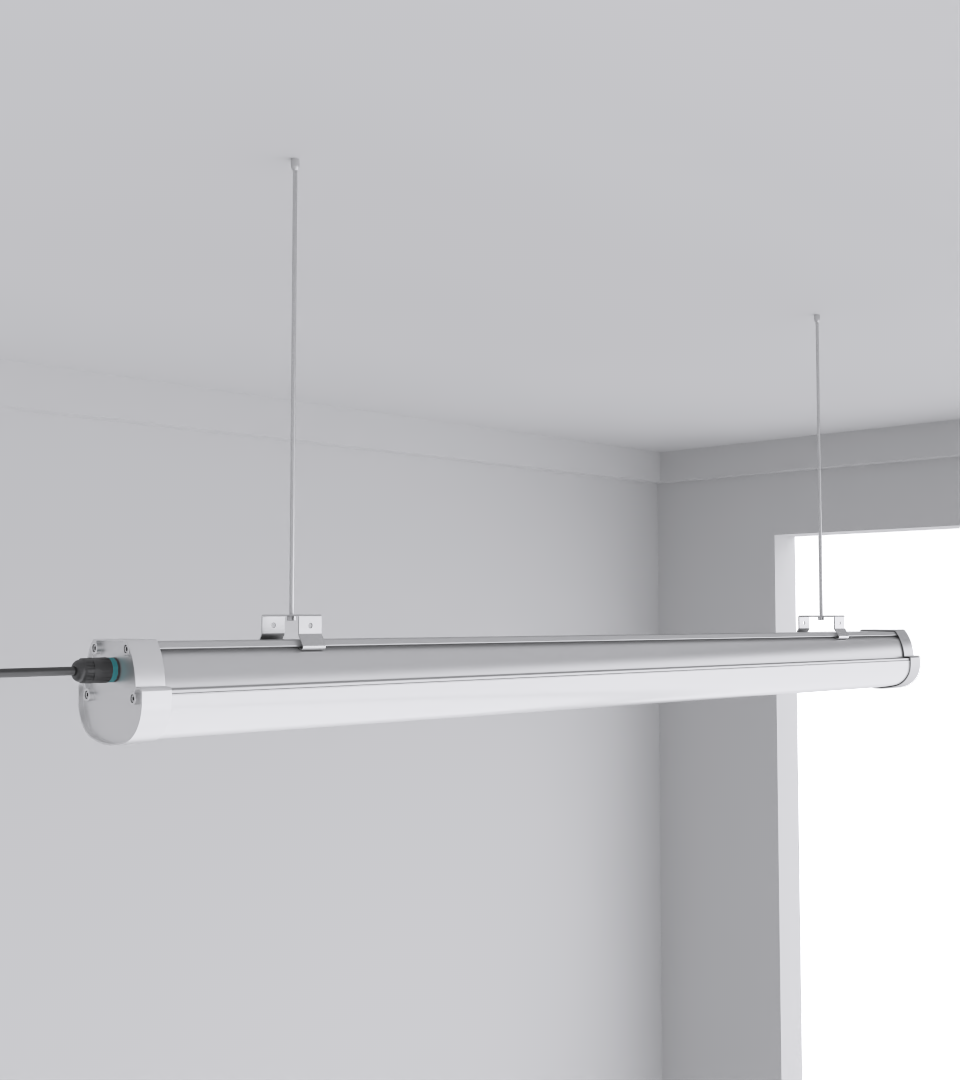
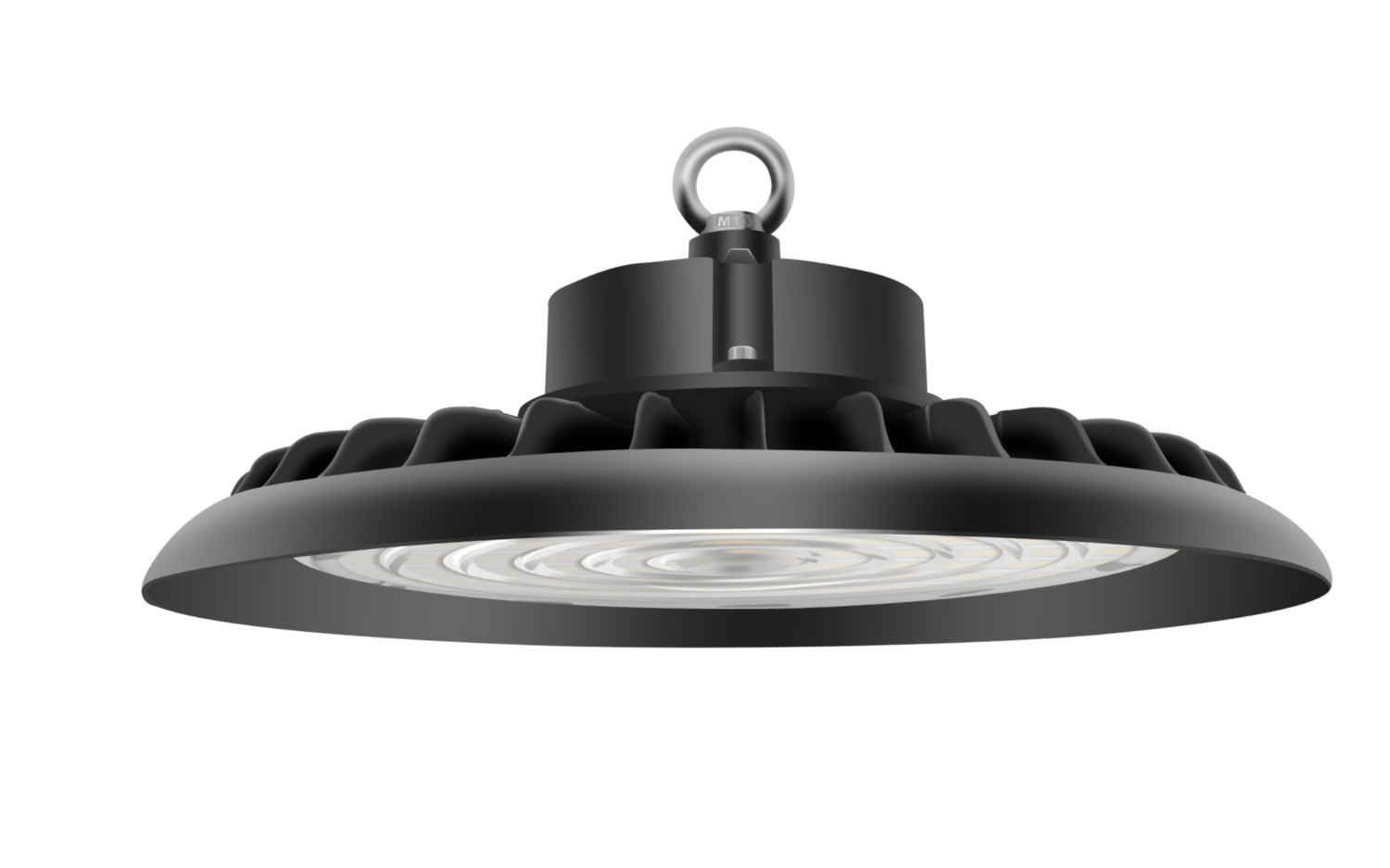
CAE Lighting’s data center-focused products such as the SeamLine Batten and Squarebeam Elite are purpose-built for environments with remote operations.
- Thermal management: Critical in hot aisle/cold aisle containment
- Emergency fallback lighting: With DALI/KNX compatibility
- Rugged design: Supports 24/7 uptime with minimal maintenance
Also see: Lighting Solutions Guide for Contractors
3. Control Technologies Compared: DALI vs PoE vs Wireless
Each lighting control protocol used in remote access systems has distinct advantages. In our deployments, we often evaluate based on infrastructure age, IT integration needs, and emergency requirements.
| Protocol | Use Case | Strength | Limitation |
|---|---|---|---|
| DALI (DALI-2 / D4i) | New builds and retrofits with sensor feedback needs | Standardized; BMS friendly; great emergency support | Bus topology limitations |
| PoE | Digital-native, low-voltage installations | One-cable power + data; future-ready | Switch/injector dependency; IP conflict risks |
| Wireless (Zigbee / Mesh) | Edge sites, remote locations, or modular pods | No new cabling; easy sensor integration | Signal interference in high EMI zones |
4. Cloud Management: Remote, Responsive, Reliable
Modern remote-access lighting solutions connect to centralized dashboards via the cloud. These allow real-time monitoring and multi-site visibility from any connected device.
- Create and manage zones by site, floor, or room
- Push firmware updates without interrupting operations
- Enable automation: time-based dimming, adaptive motion triggers
Tip: Always segment your lighting VLAN from primary operational networks to reduce security exposure.
5. Predictive Maintenance and Diagnostics

Remote systems feed analytics platforms with real-time performance and failure data. This supports smart diagnostics and lowers operational overhead.
- Burnout prediction: usage-hour tracking per fixture
- Temperature thresholds: automatic dimming to reduce heat
- Alerting: centralized dashboards flag error conditions
One Malaysian facility we support dropped its maintenance response window from 5 days to under 36 hours using predictive alerts.
6. Security & Compliance in Remote Access
While lighting systems are often overlooked in cyber assessments, they can become a point of entry. CAE systems address this with strict design standards.
- Encrypted device firmware with signature verification
- Only VPN-tunneled cloud interactions; no open public APIs
- Separate VLANs for lighting vs corporate devices
Compliance frameworks to consider:
- ISO 27001 – Information security
- TIA‑942-A – Data center design & lighting standards
- IEC 62443 – Networked control systems security
See reference: Tridium Lighting Vulnerability
7. Best Practices for Lighting Deployment in Remote Facilities
Our team emphasizes a few baseline practices in every remote-controlled deployment:
| Location Type | Lighting Strategy |
|---|---|
| Hot aisle/cold aisle | Passive infrared sensors with directional beam angles |
| Back rooms / loading bays | Motion-triggered high bays with override switch |
| Security paths | Always-on, low-glare luminaires |
Tip: Always include fallback manual switches during setup for redundancy.
8. Case Studies: What’s Working in 2025
We installed over 450 units of Squarebeam Elite and SeamLine Battens in a Johor-based DHL data node:
- Uptime improvement: +85% zone visibility
- Remote resets: Reduced on-call dispatch by 50%
- ROI achieved: Under 14 months, thanks to 62% YOY energy savings
Another installation in Selangor deployed Quattro Triproof Battens in ceiling ducts, eliminating maintenance exposure risk during power reroutes.
Frequently Asked Questions (FAQ)
Q1. Can remote lighting systems work without internet?
Yes, local controllers can maintain functionality with stored rules. Cloud sync resumes when online.
Q2. What protocols should I choose for a retrofit?
Zigbee or Bluetooth Mesh systems are usually best—minimal rewiring required.
Q3. Are CAE products compliant with international standards?
Yes. CAE holds ISO 9001, ISO 14001, and ISO 45001. Lighting gear also meets UL, IEC, and DALI protocols.
Q4. Can remote access lighting integrate with security systems?
Yes—camera-linked lighting control is a key use case in high-security zones.
Ready to upgrade your infrastructure? Contact CAE Lighting for tailored consultation and sample units.