
Scalable Lighting Control Systems for Data Centers: Modular Architectures, PoE Integration, and Protocol Optimization
–
Table of Contents
- What Is Scalable Lighting Control?
- Why Data Centers Need Scalability
- Core Lighting System Components
- Wiring & Power Architectures
- Protocols: What Your BMS Can Actually Talk To
- Mesh Sensor Networks & Control Zoning
- Cybersecurity & Redundancy
- Deployment Case Study: Modular vs Traditional
- Frequently Asked Questions
Key Takeaways
| Feature or Topic | Summary |
|---|---|
| Scalability | Modular, decentralized lighting systems support phased data center expansion. |
| Energy Efficiency | PoE and DC systems can reduce lighting energy use by 20–75%. |
| System Integration | Supports BMS, BACnet, and APIs with full sensor feedback. |
| Reliability | Redundant wiring and emergency failover critical for uptime. |
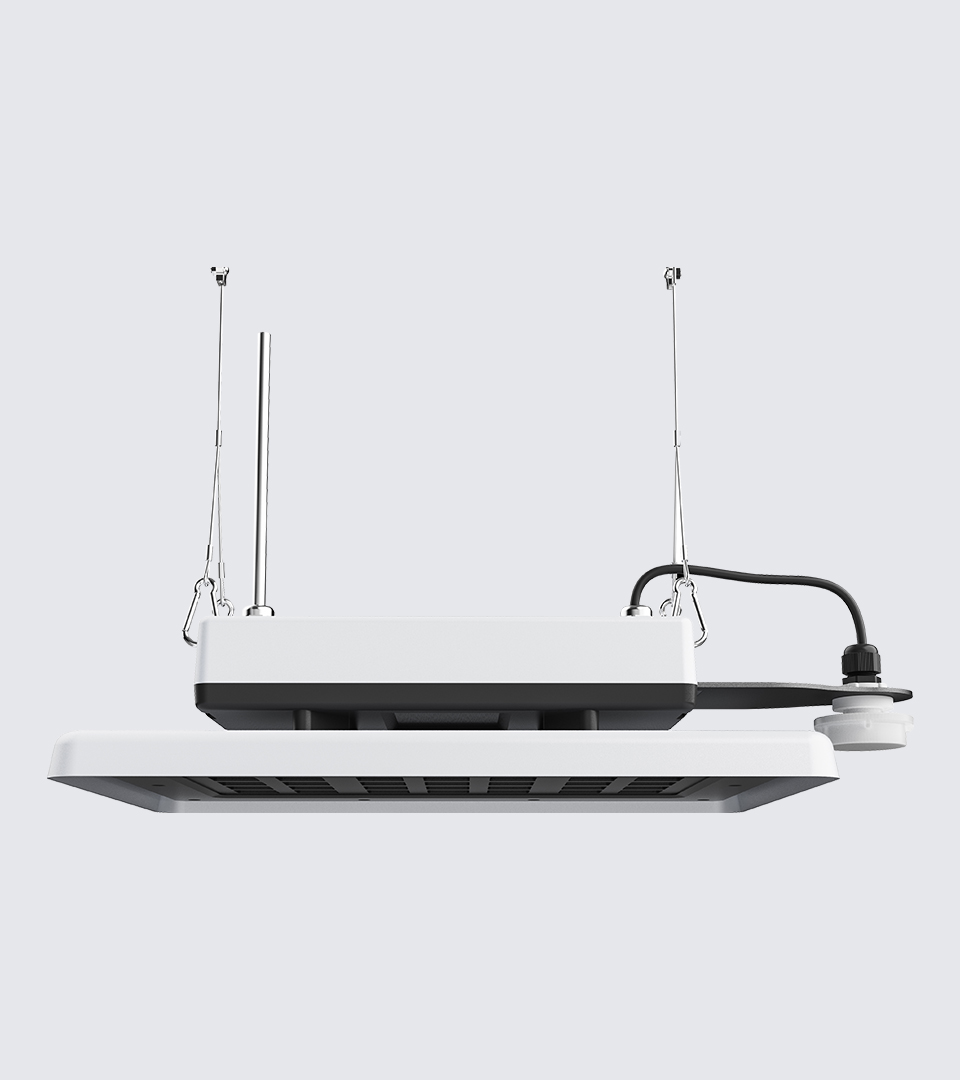
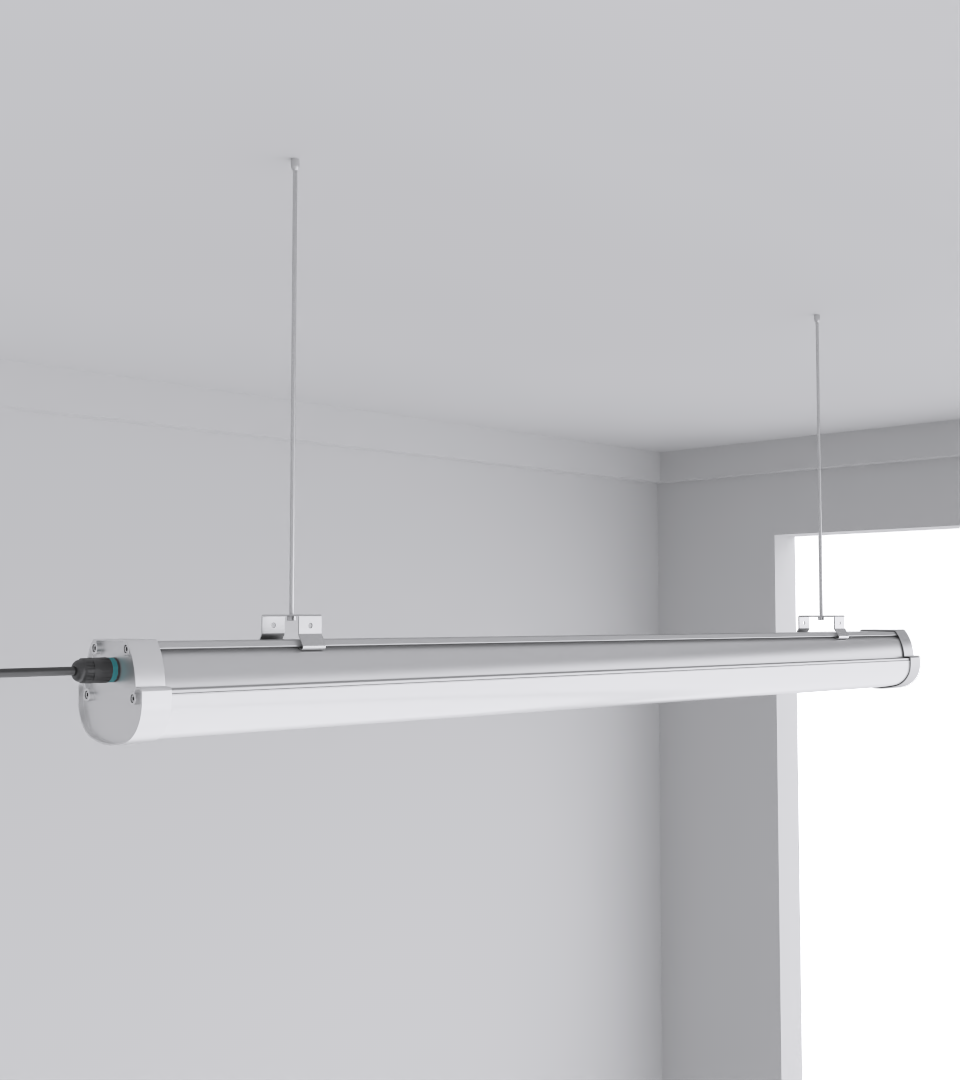
| Recommended Fixtures | Squarebeam Elite, SeamLine Batten, Quattro Triproof from CAE Lighting. |
What Is Scalable Lighting Control?
Lighting in data centers is no longer a passive component—it’s a critical part of the facility’s energy, safety, and operational performance. Over the past decade, we’ve helped upgrade and scale control systems in over 100+ mission-critical sites across Asia. Here’s what works.
Why Data Centers Need Scalability
- Reduces CAPEX upfront: Only install what’s needed now
- Supports future retrofits: Add sensors or emergency nodes later
- Improves service uptime: No lighting-related shutdowns during upgrades

Core Lighting System Components
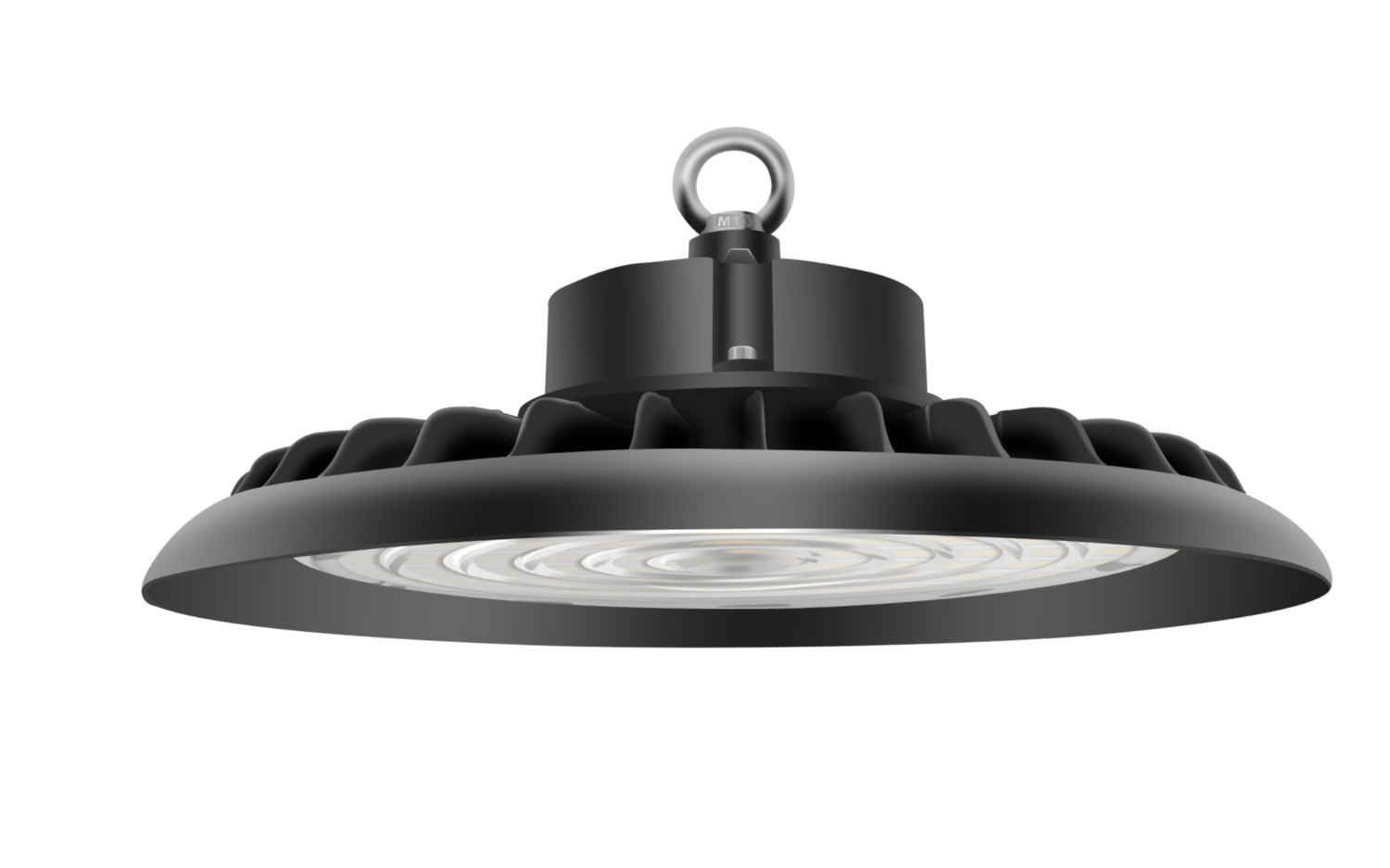
- Fixtures: Industrial battens, high bays — e.g., SeamLine Batten for high CRI and modular wiring
- Sensors: Motion, daylight, temperature. Mesh-enabled recommended
- Control Platform: On-prem BMS or hybrid cloud APIs
- Wiring: Standard AC or PoE Cat6 for low-voltage DC
Wiring & Power Architectures
| Feature | AC Wiring | PoE/DC | PoEzero |
|---|---|---|---|
| Voltage | 230–277V | 48V DC | ~54V, high-efficiency |
| Cabling | Separate power + comms | Cat6 | Cat6 + onboard power mgmt |
| Control | Relay, DALI | Networked APIs | Smart grid-ready |
| Best For | Legacy builds | New builds | High-efficiency greenfields |
Protocols: What Your BMS Can Actually Talk To
- DALI-2 / D4i: Strong for fixture-level feedback
- BACnet / Modbus: Standard for building-level integration
- Hybrid control: Mix of cloud and local for redundancy
Mesh Sensor Networks & Control Zoning
- Fixtures share sensor data in real time
- Zones adjust dynamically based on activity
- Failure-tolerant: one down, others pick up
Cybersecurity & Redundancy
- Lighting VLANs separate from core network
- Firmware updates must be signed
- Every zone must fail ON, not OFF
Deployment Case Study: Modular vs Traditional
| Metric | Traditional | CAE Modular |
|---|---|---|
| Install Time | 4 weeks | 8 days |
| Zones | 3 fixed | 12 dynamic |
| Downtime | 1 hr (partial) | 0 hrs |
| PUE Reduction | 8% | 17% |
Frequently Asked Questions
- Q: What’s the benefit of PoE in lighting?
A: Lower heat, lower install cost, and full network control from day one. - Q: Can I use Zigbee for a full data center?
A: Yes, but mix with wired backbones for critical paths. - Q: Are wireless sensors reliable in hot aisles?
A: Only with industrial-grade units—Quattro Batten has proven reliable. - Q: What controls work with emergency lighting?
A: DALI-2 with EM modules gives the best performance and test logging. - Q: Do I need custom firmware for CAE Lighting products?
A: No—most are ready for open protocols. Check each SKU’s datasheet.