Self-Test Emergency Lights for Data Centers: UL 924 Compliance, Smart Testing Systems, and Maintenance Reduction Explained
–
- Why Emergency Lighting Can’t Be an Afterthought in Data Centers
- How Self-Test Emergency Lights Actually Work
- Data Center Compliance: UL 924, NFPA 101 & TIA-942
- Choosing the Right Emergency Lighting Architecture
- Installation Mistakes That Cost You
- Real-World Maintenance Savings with Self-Test
- Battery Health and Runtime Considerations
- Final Checklist Before You Specify
- FAQs
Key Takeaways
| Feature or Topic | Summary |
|---|---|
| Self-test Automation | Eliminates manual testing errors; ensures code compliance. |
| Code Requirements | UL 924, NFPA 101, NEC 700 mandate test frequency and runtime. |
| System Types | Self-contained, addressable (DALI, Casambi), centralized inverter. |
| Design Considerations | Placement, cold aisle effects, battery specs, seismic zones. |
1. Why Emergency Lighting Can’t Be an Afterthought in Data Centers
A blackout in a data center doesn’t just mean lights out. It means potential compliance breaches, security gaps, and possible millions lost in uptime penalties…
2. How Self-Test Emergency Lights Actually Work
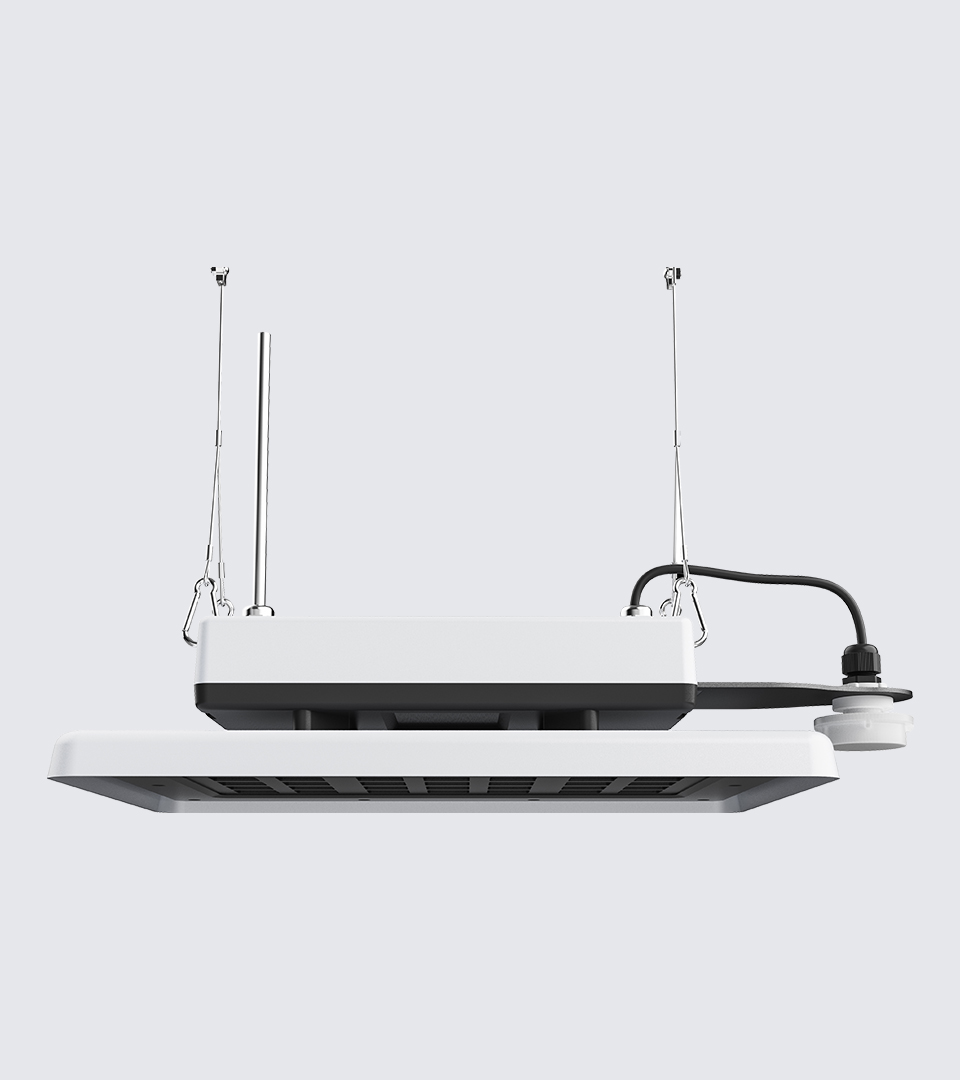
Self-testing fixtures simulate power outages periodically and report internal component health…
3. Data Center Compliance: UL 924, NFPA 101 & TIA-942
If your lighting setup can’t pass audit, it’s a liability.
| Standard | What It Covers | Key Clause |
|---|---|---|
| UL 924 | Emergency lighting system performance | Runtime, output, test |
| NFPA 101 | Life safety egress illumination | 90-min requirement |
| NEC 700 | Power source requirements | Circuit integrity |
| TIA-942-C | Data center-specific best practices | Redundancy, alerts |

4. Choosing the Right Emergency Lighting Architecture
Not all systems are equal. Choices depend on data center tier, floor plan, access zones, and more.
Option 1: Self-contained self-test lights
- Easy install
- Lower upfront cost
- Ideal for edge or modular DCs
Option 2: Central inverter with test automation
- Central control of 90-min backup
- Clean UPS integration
- Better for hyperscale setups
Option 3: Addressable network (DALI/Casambi)
- Test schedules pushed via gateway
- Real-time feedback per fixture
- Cloud dashboard with reports
5. Installation Mistakes That Cost You
I’ve seen it happen: 60% of fixtures failed testing because the installer forgot to wire the unswitched line. It’s a simple oversight that stalls commissioning by weeks.
Avoid these common errors:
- Mounting too high above cold aisle—battery derating
- Forgetting seismic brackets
- Not labeling test status wiring in DALI networks

6. Real-World Maintenance Savings with Self-Test
Manual inspection every month for 1,000 fixtures? It adds up fast.
With Manual Testing:
- 3 min per fixture × 1000 = 50 hours
- Avg cost = $2,500/month
With Self-Test:
- Dashboard check: 15 minutes
- Cost = technician coffee + click
In 2024, a CAE client in Selangor reduced inspection costs by 93% after replacing 500 conventional units with Squarebeam Elite self-test lights.
7. Battery Health and Runtime Considerations
Emergency lighting isn’t useful if the battery dies at 45 minutes. Make sure your choice supports:
- 90-minute runtime at full output
- Ambient tolerance to cold aisles (12–18°C)
- Battery type: LiFePO₄ offers longer life and better temperature stability
Test your batteries quarterly—even with self-test systems—to catch slow degradation that sensors might miss.
8. Final Checklist Before You Specify
| Parameter | Minimum Requirement |
|---|---|
| Runtime | 90 minutes |
| Test Frequency | Monthly + Annual (auto) |
| Battery | LiFePO₄ or NiMH, replaceable |
| Compliance | UL 924, NFPA 101, NEC 700 |
| Mounting | Below hot/cold aisle levels |
| Seismic Cert | ICC-ES AC 156 or equivalent |
| Control | Manual / DALI / Wireless |
FAQs
Q: Are self-test emergency lights mandatory in data centers?
Not strictly, but they significantly reduce manual inspection labor and ensure consistent compliance with UL 924/NFPA 101.
Q: Can self-test systems be retrofitted?
Yes. Many manufacturers offer retrofit kits or driver replacements for existing luminaires.
Q: How do I know if a light passed its test?
Via on-device LED indicators or remotely using a gateway system (DALI or wireless).
Q: Do self-test lights meet seismic requirements?
Only if labeled and certified. Look for ICC-ES AC 156 or local authority approval.
Q: What if the battery fails mid-test?
Most systems will flag a fault and store the failure in logs. You should replace the battery immediately.