Smart Dimming Systems in Data Centers: Detailed ROI, Protocols, and Integration Best Practices
- Why Data Center Lighting Isn’t Just Background Noise
- What Counts as a Smart Dimming System?
- The Real Energy and Cost Savings
- ROI and Payback Periods: The Numbers That Matter
- Integration with Data Center Infrastructure
- Incentives and Rebates: Money Left on the Table
- Case Study Snapshot: CAE in Action
- Is It Worth It? Ask These Questions
- Frequently Asked Questions (FAQ)
Key Takeaways
| Feature | Details |
|---|---|
| Energy Reduction | Smart dimming reduces lighting-related energy use by 30–60% using occupancy/daylight sensors |
| Cooling Load Decrease | Lower lighting output means less heat, easing HVAC workload |
| Payback Period | Average ROI is 1.5–3 years for most installations |
| Maintenance Savings | LED lifespan + reduced runtime = fewer replacements |
| Integration | Compatible with DCIM, BMS, and energy dashboards |
| Rebate Eligibility | Qualifies for energy-efficiency rebates in most regions |
1. Why Data Center Lighting Isn’t Just Background Noise
Data centers burn power. A lot of it. But people often forget that lights — while not the top draw — still pile up energy costs, especially across hundreds of aisles.
- Lighting can account for 3–5% of total data center energy use.
- It adds to heat, which increases cooling demands.
- High-intensity lights left on in unoccupied aisles = money gone for nothing.
Lighting isn’t a glamorous part of data center design, but neglecting it means missing one of the most accessible paths to improving energy efficiency. You don’t need to overhaul your entire facility to make an impact — just fixing how and when lights are on can start showing results in your next power bill. And in high-density colocation environments, those savings scale fast.
2. What Counts as a Smart Dimming System?
It’s not just about “dimming the lights.” These systems include:
- Sensors: motion (PIR/ultrasonic), ambient light sensors
- Control Protocols: 0–10 V, DALI, DMX, PoE, Zigbee
- Logic: zoned control, central overrides, distributed logic
They adjust lighting in real time based on occupancy, light levels, time of day.
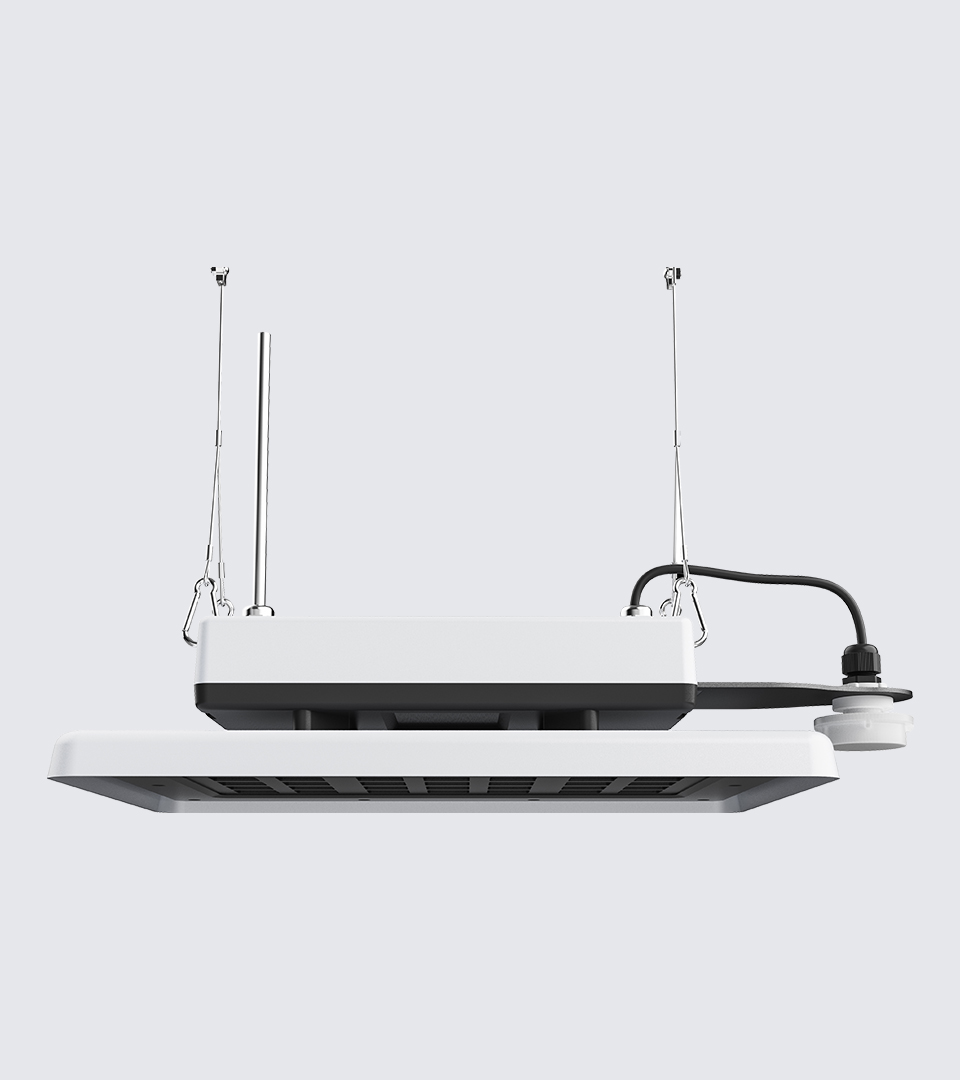
Some systems can be standalone — like CAE Lighting’s built-in sensor units — while others integrate into full building management systems. Hybrid approaches are common in multi-tenant data centers where different areas require different levels of control and access.
3. The Real Energy and Cost Savings
- Occupancy sensors cut lighting use by 25–40%
- Daylight harvesting adds another 15–20%
- Combined system savings range 30–60% depending on facility layout
Additional savings come from:
- Less heat output → lower HVAC costs
- Longer LED lifespan due to lower operating time
These aren’t theoretical numbers. In projects we’ve worked on, simply implementing motion-triggered lighting reduced overnight energy costs by over 35%, without affecting operational readiness. In one instance, upgrading a data hall to daylight-responsive dimming led to 18% savings even though that section had only partial skylight exposure.

4. ROI and Payback Periods: The Numbers That Matter
| Metric | Value |
|---|---|
| Initial Install Cost | $12,000 |
| Annual Savings | $4,200 |
| Payback | ~2.85 years |
| LED Lifetime | 50,000 hours |
Post-payback = pure savings. Many facilities see $20,000–$60,000 saved over system lifespan.
5. Integration with Data Center Infrastructure
- Hooks into DCIM tools for real-time lighting data
- Works with BMS systems to coordinate with HVAC
- Supports load-shedding strategies during high-demand periods
We’ve found that once lighting data becomes visible on the same dashboard as cooling and IT loads, facilities teams start making smarter, more confident energy choices. For example, dimming during weekend maintenance windows or using light patterns to guide night security staff.
6. Incentives and Rebates: Money Left on the Table
- PG&E, SDG&E, and others offer credits
- Complies with LEED, Title 24
- HVAC + lighting bundles often qualify
Sometimes, the rebate amount can offset 20–40% of your install costs. Don’t assume you’re not eligible — even international sites can access national-level green incentives depending on location and carbon goals.
Check rebates via CAE Lighting’s contact page.
7. Case Study Snapshot: CAE in Action
- Cut lighting costs by 42% in 6 months
- Reduced thermal gain by 11%
- ROI achieved in 18 months
Project engineers noted a noticeable drop in maintenance requests post-install — not just due to better hardware, but due to lower operational hours per fixture.
8. Is It Worth It? Ask These Questions
- Are there long-lit aisles with low traffic?
- Can you segment zones easily?
- Do you already track energy or want to?
- Do you have rebates in your region?
- Do your LEDs support smart dimming protocols?
- Are sensor locations easy to mount?
Frequently Asked Questions
Q: Can smart dimming reduce data center PUE?
Yes — by cutting lighting energy and heat output, smart dimming improves your Power Usage Effectiveness score.
Q: What if sensors fail or misfire?
High-quality sensors (e.g., ultrasonic + PIR dual systems) have <2% fault rate. Calibration and maintenance plans help avoid downtime.
Q: What’s the difference between centralized and distributed lighting control?
Centralized = one controller; distributed = logic embedded in zones. Distributed is more resilient and scalable.
Q: Which lighting systems from CAE support smart dimming?
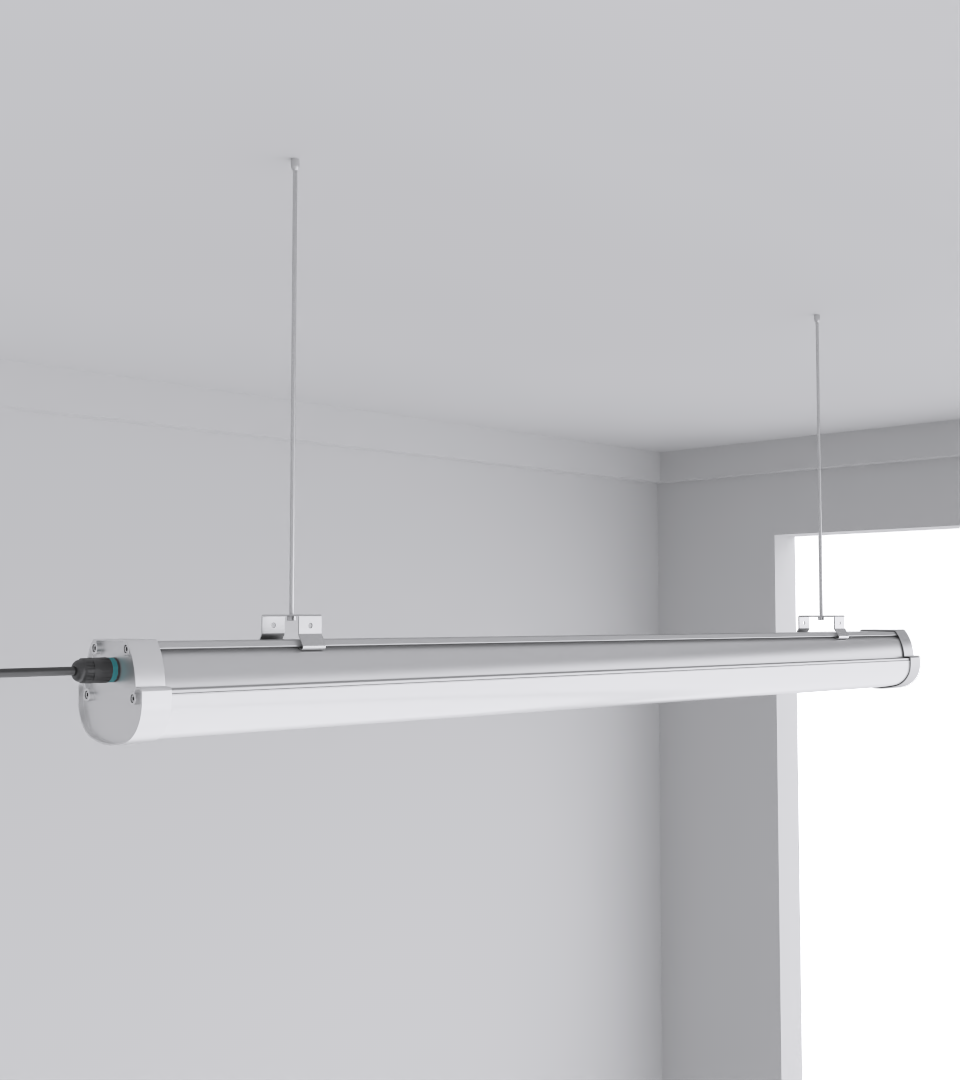
Products like Squarebeam Elite, Quattro Triproof, and SeamLine Batten are all compatible.
Q: Do LEDs always work better with smart dimming?
Yes, if the drivers support it — all CAE Lighting LEDs are compatible with major dimming protocols.
Q: What kind of maintenance is needed for smart dimming systems?
Beyond periodic sensor cleaning and firmware updates, most systems are plug-and-run for years. Having a monitoring dashboard helps flag anomalies early.
Q: Will smart dimming impact staff working at odd hours?
Not if the system is zoned well. You can set overrides or maintain constant light in critical paths — smart doesn’t mean fully automatic; it means flexible.