Smart Lighting API Standardization in Data Centers: Protocols, Integration, and ROI
–
Key Takeaways
| Feature or Topic | Summary |
|---|---|
| Integration Benefits | Energy savings, streamlined operations, enhanced monitoring, and predictive maintenance. |
| Key Protocols | BACnet, Modbus, SNMP ensure interoperability. |
| Implementation Strategies | Assess existing infrastructure, select compatible systems, phased deployment recommended. |
| Operational Advantages | Reduced downtime, improved safety, occupant comfort, and significant sustainability contributions. |
1. What Smart Lighting API Standardization Actually Means
Smart lighting API standardization is the process of aligning the data, protocols, and control methods used to manage LED lighting systems, so that they work smoothly with building management systems (BMS), data center infrastructure management (DCIM), and IoT ecosystems.
- Consistent control interfaces (e.g. REST, MQTT, DALI binary)
- Defined telemetry structures (e.g. lux values, fault reports)
- Interoperability across vendors and legacy systems
A: Both—emergency lighting overrides, real-time diagnostics, and remote testing all improve safety compliance.
2. Current State of Data Center Lighting
Historically, data centers used fluorescent or early LED lighting with no programmability or central monitoring. That changed.
Today:
- Most facilities retrofit smart LEDs with sensors
- Motion and daylight control is common
- Lighting is tied into the BMS, sometimes via Modbus, BACnet, or REST
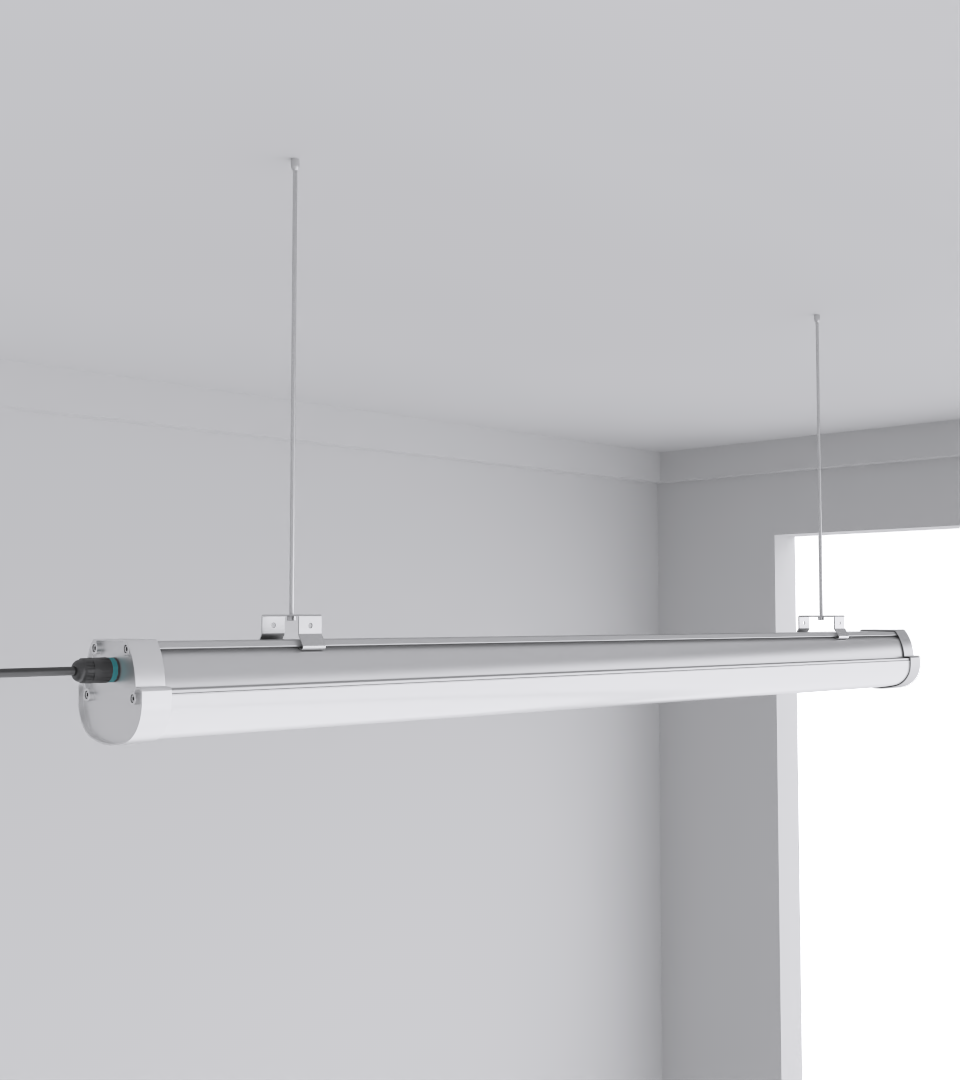
We’ve seen 30–70% energy savings just from converting fixed high bays to dimmable occupancy-based battens in Malaysian Tier 3 sites.
This doesn’t just save electricity—it cuts heat load, easing cooling requirements (PUE boost).
3. Major Lighting Protocols and APIs
A quick look at who’s who in the smart lighting world:
| Protocol | Use Case | API Type |
|---|---|---|
| DALI-2 / D4i | Wired control | Binary / IEC 62386 |
| TALQ | Smart city, CMS | JSON over REST |
| ZigBee / BLE | Wireless, retrofits | Cluster libraries |
| NGSI-LD | Smart building data | Linked data API |
| ISO 17800 | Smart grid | CIM-style model |
| EEBUS | Device interop | XML / REST |

4. How These Standards Integrate
To make these work in a data center, you need a layered architecture:
- Device layer: DALI/Modbus sensors, ZigBee drivers
- Control layer: Gateways translate protocols
- API layer: Unified REST/NGSI interfaces
- Application layer: Monitoring dashboards, control UIs

Example: a ZigBee sensor sends motion → gateway translates to NGSI-LD event → cloud platform dims lights → DCIM logs state.
5. Use Cases in Data Centers
Smart lighting APIs are now supporting:
- Automated controls — Motion, lux-based dimming
- Emergency system tests — Central battery diagnostics
- Telemetry — Fault detection, energy use, occupancy logs
- Compliance — ISO, LEED, ASHRAE support
- Digital twins — Real-time input from NGSI-LD
In one Kuala Lumpur facility, we triggered remote scene changes during fire drills. APIs enabled full-light mode override within 600ms.
6. ROI and Efficiency Metrics
Switching to API-integrated smart lighting can yield:
| Metric | Typical Range |
|---|---|
| Energy savings | 30–70% |
| PUE impact | +0.1 to +0.3 improvement |
| Compliance time saved | Up to 40% |
| Payback period | 12–24 months |
Use CAE’s Squarebeam Elite or SeamLine Batten for low-heat, high-CRI output in server aisles.
7. Compliance and Certification Bodies
Working with these standards means matching:
- DiiA (DALI) – Product certification
- Zhaga-D4i – Luminaire interoperability
- ISO, ANSI, TIA – Grid and infrastructure compliance
Always verify logo marks and test reports. DiiA-approved gear reduces integration friction.
8. Summary & Next Steps
Standardization isn’t just IT hygiene—it’s a key unlock for efficiency, interoperability, and safety.
Next Steps:
- Identify which lighting assets can be API-connected
- Choose standards that suit your infrastructure
- Start pilot with one zone, track ROI
- Work with CAE Lighting to trial advanced batten and high bay solutions
🤔 Frequently Asked Questions
Q1: What is the most common API standard for smart lighting in data centers?
A: DALI-2 for wired systems and NGSI-LD for REST-based ecosystems.
Q2: Can I retrofit legacy systems with smart API lighting?
A: Yes, using gateways and translators (e.g. DALI-to-REST bridges).
Q3: How long does it take to see ROI on smart lighting integration?
A: Usually 12–24 months, faster in high-burn zones like NOCs and server halls.
Q4: Is CAE Lighting compatible with NGSI-LD or TALQ?
A: Their systems support motion, scene control, and REST interfaces. Custom integration with smart API stacks is possible.
Q5: Do these systems improve safety or just efficiency?