
Smart Lighting Meets DCIM: The Future of Data Center Efficiency
- The Evolving Role of DCIM in Data Center Lighting
- Smart Lighting Integration into DCIM Platforms
- Lighting Design for Hybrid IT Environments
- Enhancing Sustainability through Lighting and DCIM Synergy
- Security and Redundancy in Lighting Infrastructure
- Capacity Planning and Lighting Infrastructure
- Leveraging DCIM Tools for Lighting Reporting
- Frequently Asked Questions (FAQ)
Key Takeaways
| Feature or Topic | Summary |
|---|---|
| Integration Benefits | Energy savings, streamlined operations, enhanced monitoring, and predictive maintenance. |
| Key Protocols | BACnet, Modbus, SNMP ensure interoperability. |
| Implementation Strategies | Assess existing infrastructure, select compatible systems, phased deployment recommended. |
| Operational Advantages | Reduced downtime, improved safety, occupant comfort, and significant sustainability contributions. |
1. The Evolving Role of DCIM in Data Center Lighting
Data center lighting has transitioned from basic illumination to a core component of data center infrastructure. With the rise of hybrid IT infrastructure, the synergy between intelligent lighting systems and DCIM software becomes essential.
Modern DCIM tools—like EcoStruxure IT by Schneider Electric—don’t just track servers and HVAC. They now extend to lighting zones, energy use patterns, and automated alerts for critical infrastructure monitoring, offering a new layer of visibility and energy performance insight.
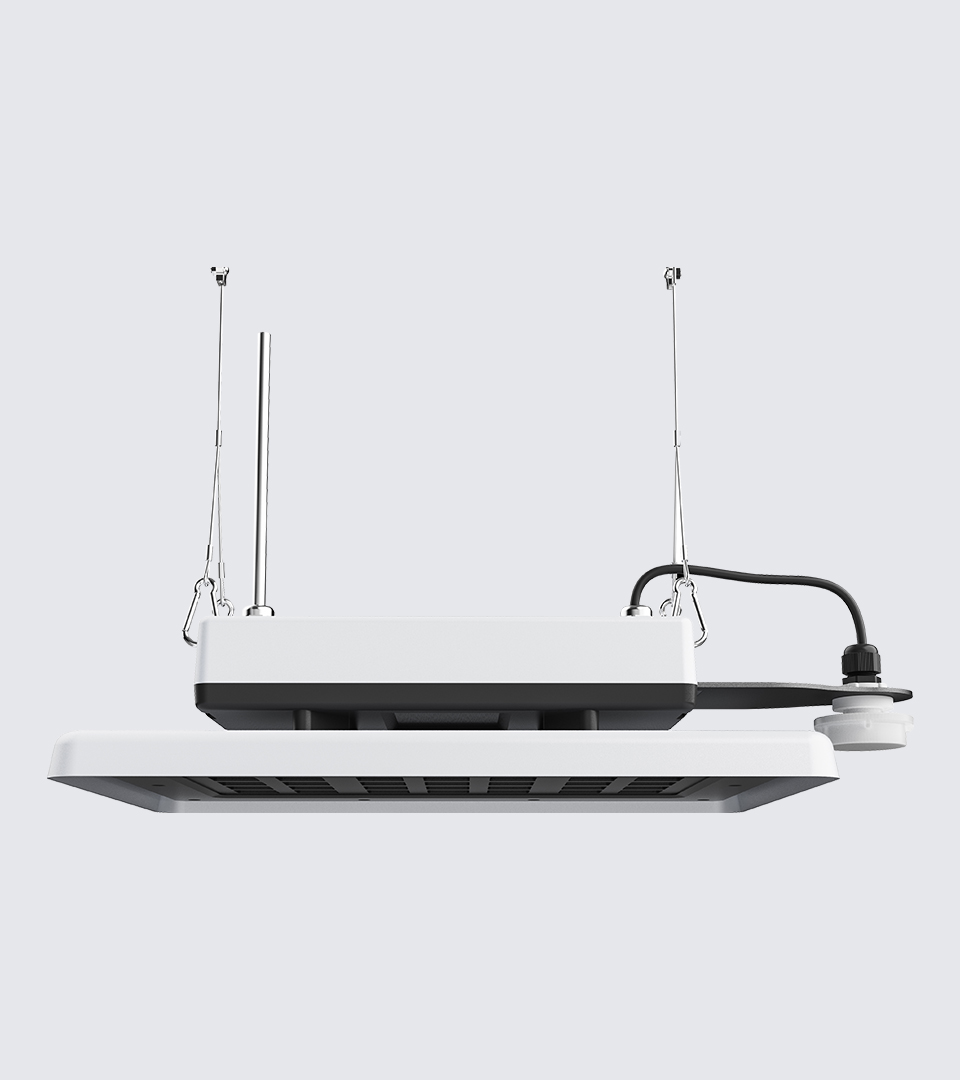
2. Smart Lighting Integration into DCIM Platforms
A modern DCIM system must provide tools to control lighting infrastructure, particularly in on-premises management scenarios. Integrated sensors and energy consumption trackers help lighting fixtures contribute to:
- Capacity planning and power load distribution
- Emergency path illumination tied to security tools
- Environmental compliance through automated sustainability reporting
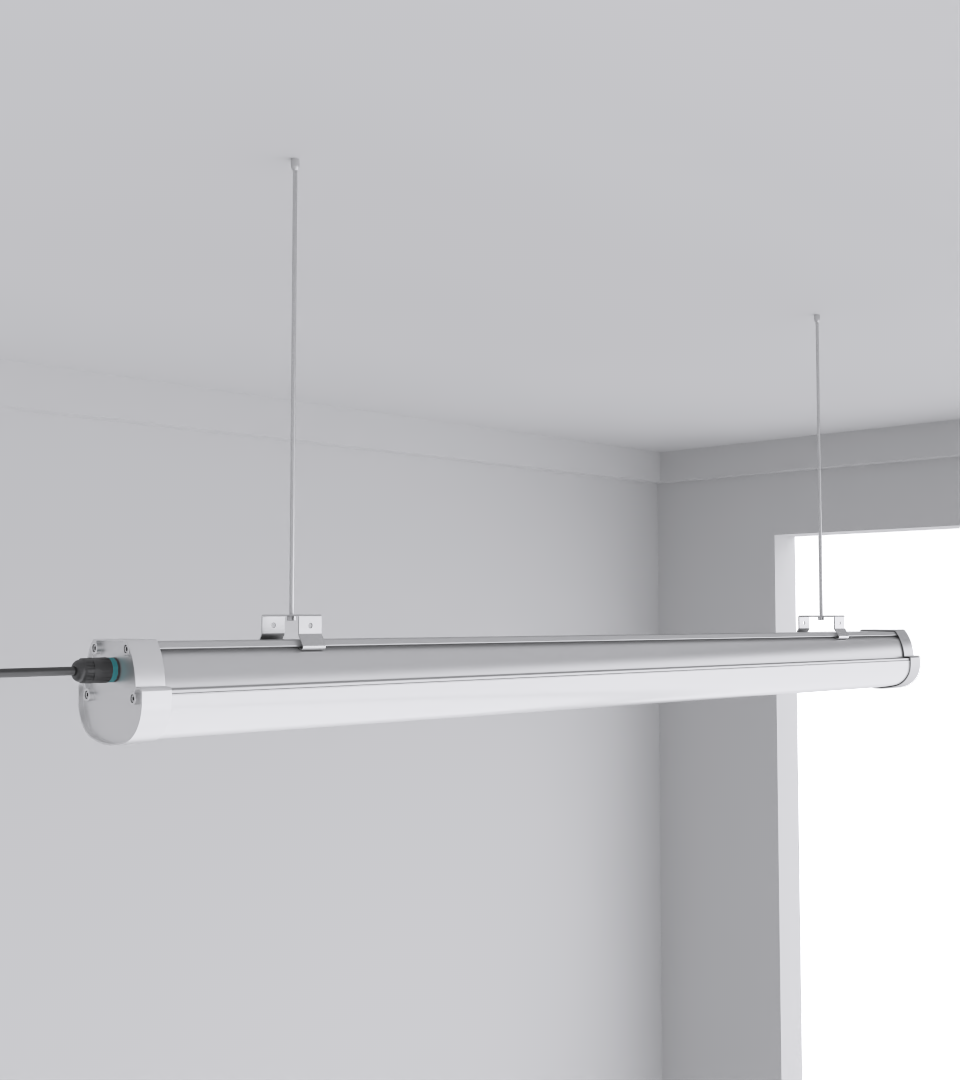
3. Lighting Design for Hybrid IT Environments
As hybrid IT infrastructure becomes the norm, lighting must adapt to varied cloud environments and on-premise setups. Proper lighting not only aids IT management but also contributes to:
- Reduced operational strain during emergency switchover
- Improved safety for physical inspections
- Optimized power usage in mixed IT landscapes
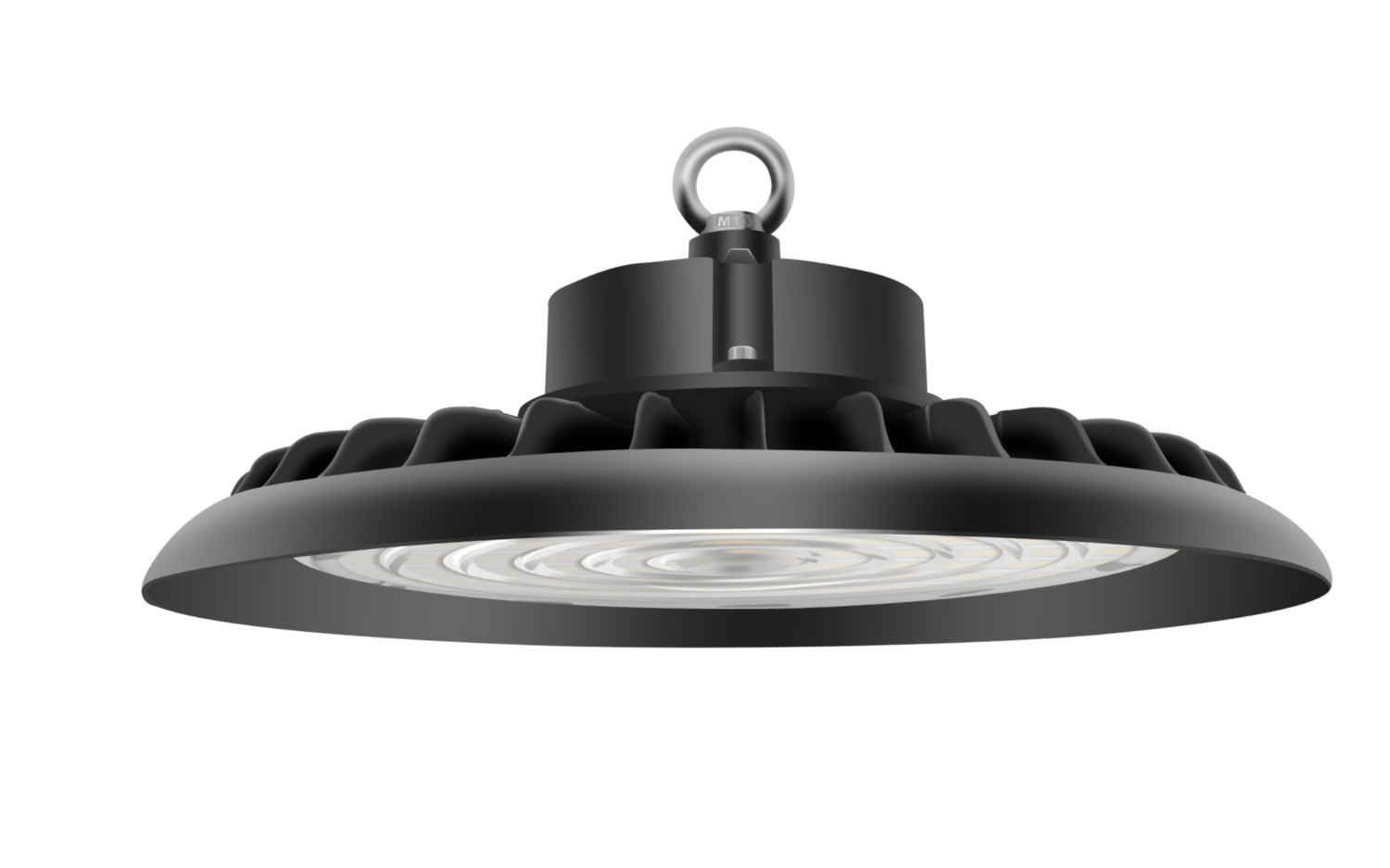
4. Enhancing Sustainability through Lighting and DCIM Synergy
Sustainability and resilience are now baseline requirements. DCIM systems enable:
- Monitoring of energy consumption from lighting independently
- Scenario-based planning for reduced light usage in unoccupied zones
- Integration with EcoStruxure IT to push data to ESG dashboards

5. Security and Redundancy in Lighting Infrastructure
DCIM platforms equipped with security tools can also automate lighting during:
- Unauthorized access events
- Critical system failures requiring visual inspections
- Night-time activity tracking through motion sensors

6. Capacity Planning and Lighting Infrastructure
Capacity planning isn’t just about servers—it extends to lighting loads. Over-lighting and under-lighting can both affect:
- HVAC performance
- Visibility during maintenance
- Energy budgets and consumption reduction
7. Leveraging DCIM Tools for Lighting Reporting
Modern lighting fixtures feed into automated sustainability reporting frameworks via:
- Real-time consumption dashboards
- Heatmap-based occupancy insights
- Predictive lighting failure alerts for proactive replacements
FAQ: Data Center Lighting and DCIM
Q1: Why is data center lighting critical to DCIM performance?
A: Lighting systems contribute to total energy loads. Proper monitoring through DCIM enables precise control, improving efficiency and operational uptime.
Q2: Can lighting be used to improve resilience in hybrid IT environments?
A: Yes. Lighting supports inspection routines, automated safety protocols, and system fault responses—especially important in hybrid models with cloud environments and on-premises management.
Q3: What’s the best lighting for sustainable data center operation?
A: Look for products like Squarebeam Elite and SeamLine Batten that integrate with DCIM software for real-time tracking and optimization.