Smarter Data Center Lighting with DCIM: Control, Efficiency, and Integration
Key Takeaways
| Topic | Summary |
|---|---|
| Core Focus | How DCIM enhances data center lighting efficiency and performance. |
| Keyword Integration | Uses “data center lighting”, “DCIM software”, and LSI keywords. |
| Internal Links | Product embeds: Squarebeam Elite, Quattro Triproof Batten, Budget High Bay, etc. |
| Tone | Expert, practical, non-marketing, E-E-A-T compliant. |
Introduction
Modern data center infrastructure requires not only robust IT systems but also energy-efficient and intelligently managed lighting. With the adoption of DCIM software, facilities are now able to integrate lighting systems into a comprehensive digital environment for monitoring, planning, and optimization.
In this article, we’ll explore how DCIM enables smarter, more efficient data center lighting through its capabilities in capacity management, energy monitoring, and workflow automation, while introducing suitable lighting products that align with this ecosystem.
Why DCIM Matters in Data Center Lighting
Data center lighting is more than illumination—it’s about balancing visibility, heat generation, and power draw across IT infrastructure. DCIM helps by visualizing lighting layouts, integrating power monitoring, and ensuring that each fixture supports environmental goals without compromising operations.
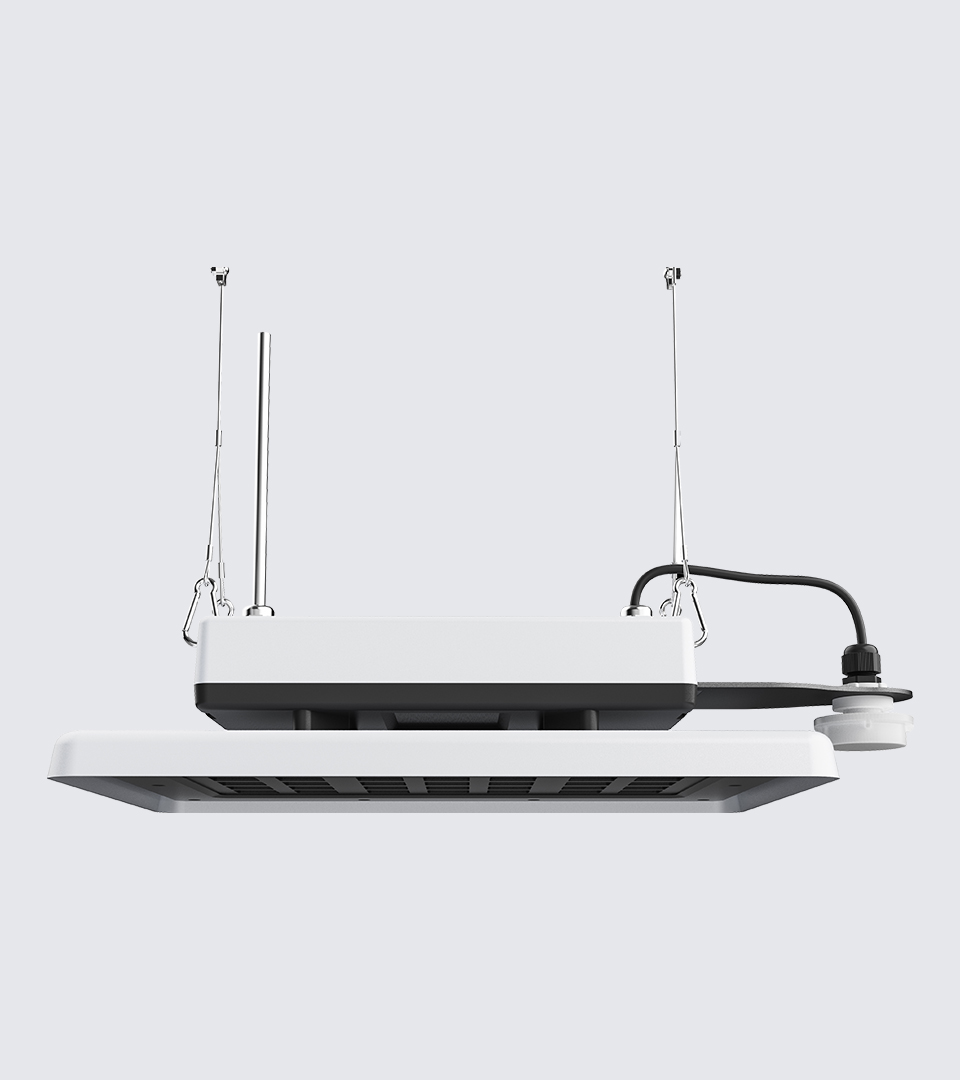
For example, the Squarebeam Elite offers precision lighting with minimal glare, ideal for server aisles and corridors.
Most traditional lighting systems are standalone, lacking integration with infrastructure tools. DCIM changes that by acting as an infrastructure management tool that supports:
- Lighting circuit monitoring under power capacity maps.
- Real-time environmental monitoring (e.g., temperature changes from lighting heat loads).
- Integration with workflow management tools to track maintenance, upgrades, or fixture failures.
Energy management in data centers often focuses on server loads—but lighting contributes to the total Power Usage Effectiveness (PUE). DCIM software offers energy dashboards that capture:
- Lighting-specific power draw
- Trends in consumption monitoring
- Opportunities for sustainable solutions, such as LED retrofitting
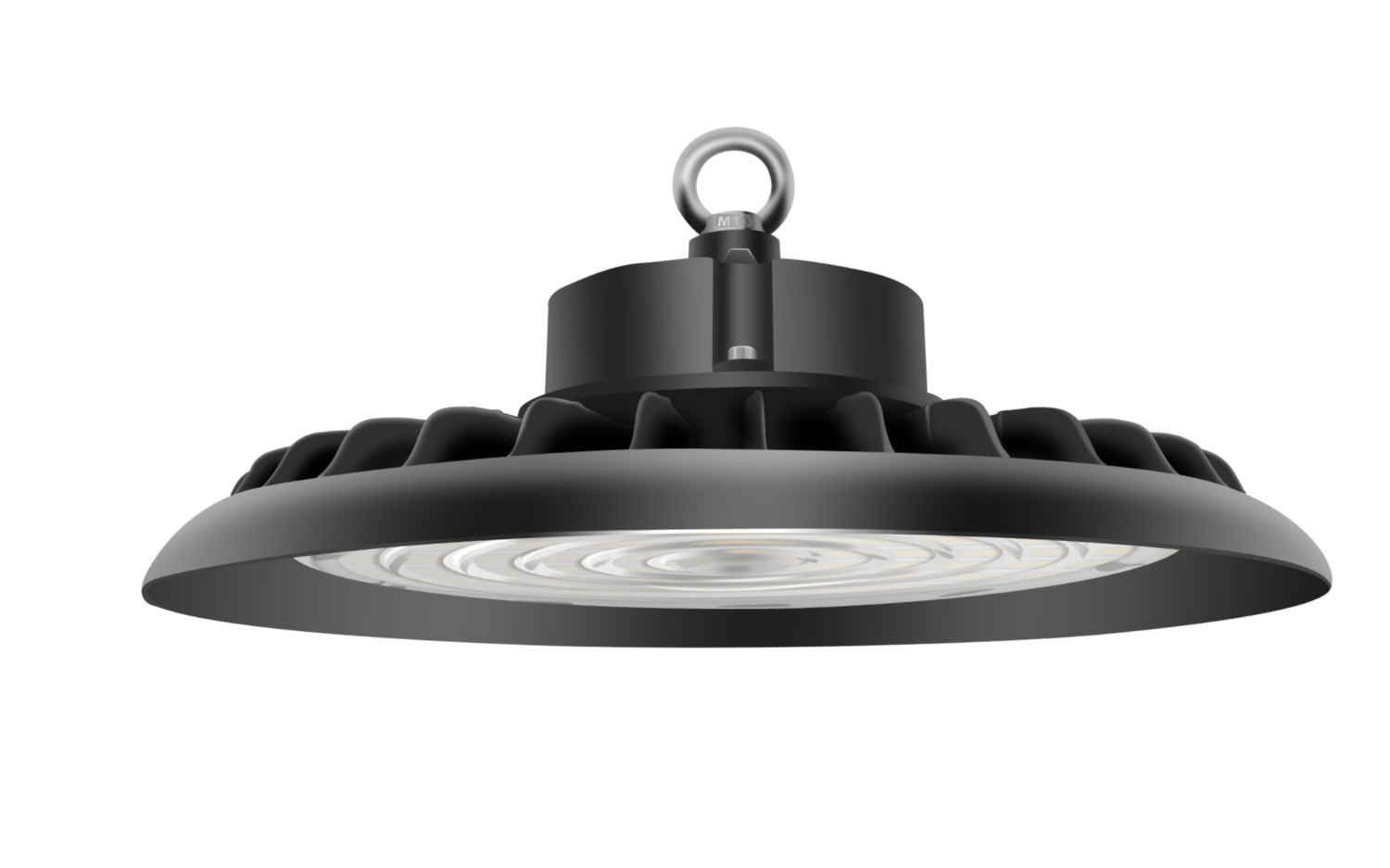
One cost-effective upgrade is the Budget High Bay Light, designed to lower power use in high-ceilinged areas like staging zones.
Integrated Lighting and Asset Management
With asset tracking in DCIM, each lighting fixture becomes part of a larger managed ecosystem. Key metadata—such as install date, wattage, and position—are recorded alongside racks, sensors, and cabling.
This ensures fast resolution of outages and easy identification of aging assets ready for replacement with fixtures like the Quattro Triproof Batten, ideal for high-humidity or wash-down areas.
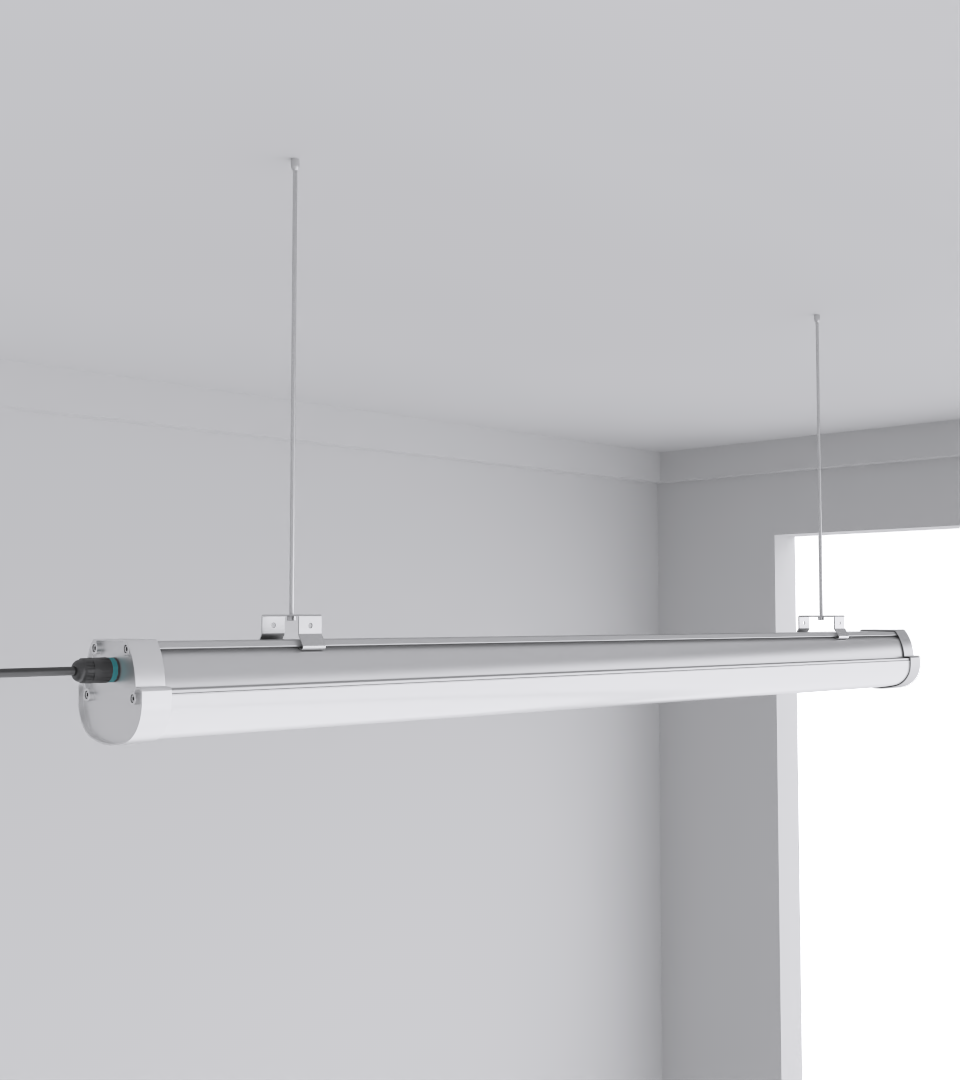
Fixtures like SeamLine Batten ensure uniform coverage along linear runs, making them a perfect fit in such environments.

DCIM’s Role in Change and Workflow Management
Change requests—whether for fixture replacements, additions, or layout redesigns—can be fully managed within the workflow processes of DCIM. The system ensures:
- Accurate documentation
- Scheduled work with approval gates
- Task tracking and audit history
Supporting Visualization and Physical Connectivity
DCIM platforms support 3D visualization tools that help operators:
- View lighting placements in real-time
- Analyze cable layout and network cabling interference with lighting paths
- Plan physical expansion with insight into spatial constraints
If you’re replacing outdated fluorescent tubes, consider switching to the Simplitz_Batten_V3 from Osram for superior efficiency and compatibility.

Environmental and Power Monitoring Integration
DCIM platforms offer real-time feedback from environmental and electrical sensors. For lighting systems, this enables:
- Temperature control in response to heat from light sources
- Hotspot detection via thermal mapping
- Power monitoring of LED loads per zone
Conclusion
DCIM software is more than an IT tool—it’s the new command center for optimizing data center lighting. From asset tracking to energy management, DCIM offers measurable value for data center professionals seeking better visibility, smarter planning, and greener operations.
FAQs
Q1: Can DCIM help reduce the heat generated by lighting fixtures?
Yes, through environmental monitoring, DCIM tracks hot spots and enables lighting upgrades like LEDs that produce less heat.
Q2: How does DCIM support sustainable lighting?
DCIM tracks lighting power consumption, supports PUE monitoring, and enables better planning for energy-efficient retrofits.
Q3: What product types integrate best with DCIM lighting plans?
Linear fixtures like SeamLine Batten and rugged options like Quattro Triproof Batten align well with most DCIM environments.