
“Task Lighting vs General Lighting in Data Centers: Functional Roles, Standards, and Zoning Strategies
- Why Lighting Strategy Matters in Critical Infrastructure
- What Is Task Lighting in a Data Center?
- What Is General Lighting in a Data Center?
- Key Differences: A Side-by-Side Technical View
- Why the Distinction Improves Efficiency
- Control Integration: Motion, Zoning, and Scene-Based
- Standards That Separate Task from General Zones
- Implementing a Hybrid Lighting Blueprint
- Frequently Asked Questions (FAQ)
Key Takeaways
| Key Point | Task Lighting | General Lighting |
|---|---|---|
| Definition | Localized, high-intensity lighting for specific work areas | Ambient lighting for overall visibility |
| Where Used | Server maintenance zones, cable trays, battery rooms | Data halls, corridors, control rooms |
| Fixture Differences | Narrow beam angle, higher CRI, higher lux | Wide beam angle, lower CRI, uniform spread |
| Energy Impact | Targeted use reduces unnecessary power draw | Higher baseline energy use, covers large areas |
| Standards | Aligned with ANSI/IES RP-29-22 for specific areas | Supports TIA-942 general illumination levels |
| Mounting Considerations | Often mounted under cabinets or close to racks | Ceiling-mounted or suspended |
| Zoning Strategy | Supports specific function zones | Covers wide areas uniformly |
| Sensor Integration | Can trigger with motion or maintenance sensors | Often linked with occupancy or daylight sensors |
1. Why Lighting Strategy Matters in Critical Infrastructure
Lighting isn’t just a utility in a data center—it’s a risk mitigation tool, a maintenance accelerator, and, when designed poorly, a constant source of inefficiency. I’ve seen colocation halls lose thousands of dollars in man-hours annually due to poor visibility during rack inspections.
And no, more brightness doesn’t mean better performance. It means more glare, more waste, and faster eye fatigue.
What’s needed is a deliberate split between general lighting (to move safely) and task lighting (to work precisely). Both types serve different purposes and should never be treated the same.
CAE Lighting’s expert guide on data center zones breaks this down in real-life deployment terms.
2. What Is Task Lighting in a Data Center?
Task lighting is localized and purpose-driven. It exists to support technicians performing specific tasks—think connecting patch cables, checking port indicators, replacing power modules.
- Directly over work surfaces
- Inside or behind racks
- Below raised floors near cable trays
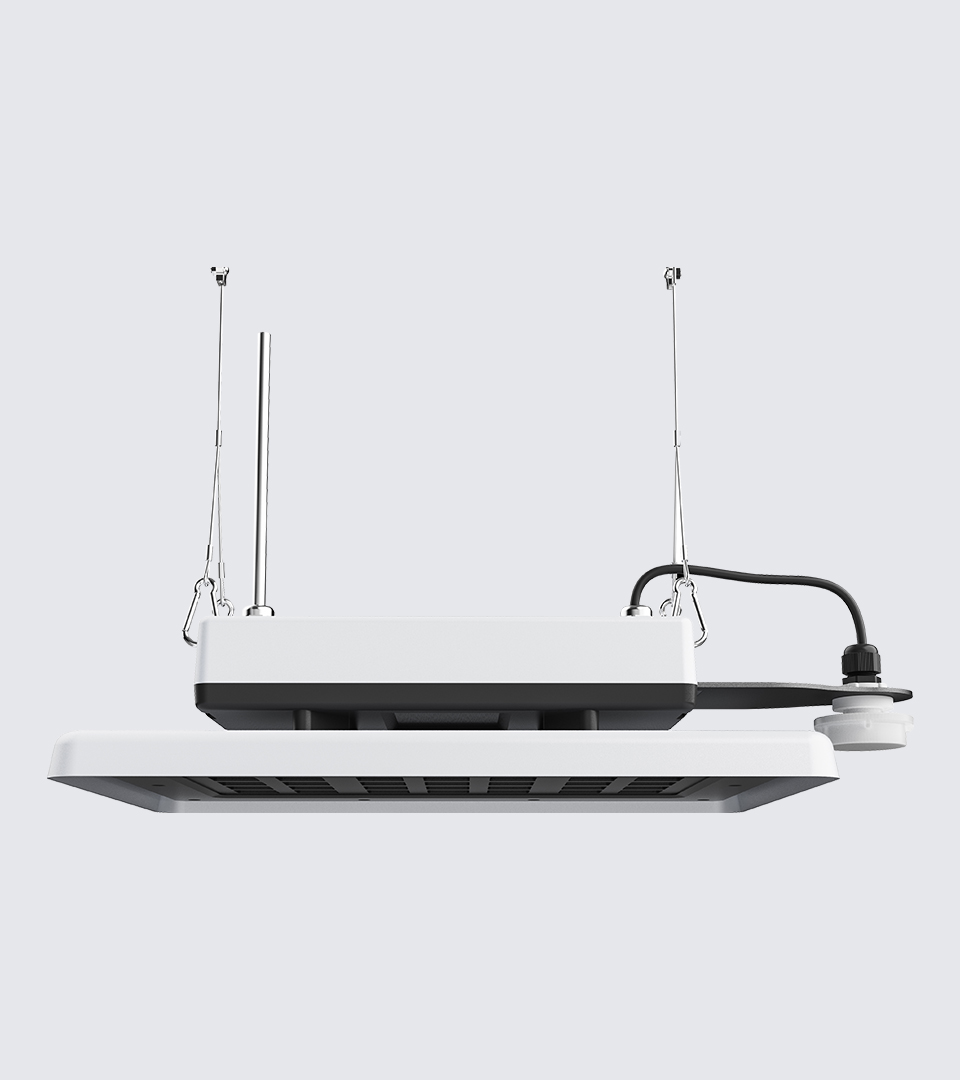
SquareBeam Elite: Ideal for vertical rack mount lighting
SeamLine Batten: Seamless linear light along tray or aisle zones

3. What Is General Lighting in a Data Center?
General lighting serves space-wide illumination—hallways, entryways, wide-open data halls, corridors.
- Ensures safe movement
- Provides baseline visibility
- Supports security and monitoring systems
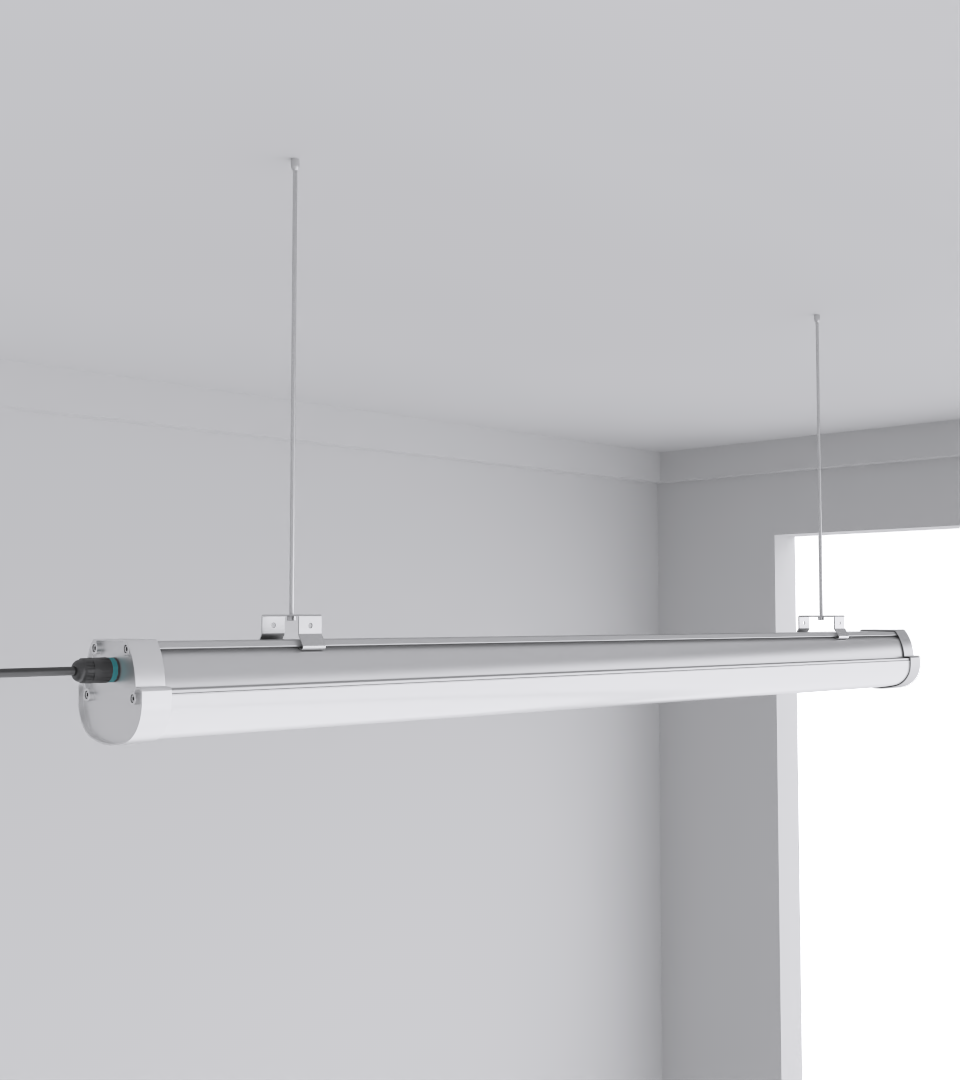
Quattro Triproof Batten is ideal in this domain due to IP65 durability and broad beam spread.
4. Key Differences: A Side-by-Side Technical View
| Feature | Task Lighting | General Lighting |
|---|---|---|
| Beam Angle | Narrow (30–60°) | Wide (90–120°) |
| Lux Target | 300–500 lux | 100–200 lux |
| Mounting | Rack-mounted, under shelf | Ceiling-mounted |
| CCT (Kelvin) | 5000–6500K | 4000K |
5. Why the Distinction Improves Efficiency
Blending task lighting into general lighting zones is like using a floodlight to read a manual. It’s not just wasteful—it’s inefficient and uncomfortable.
Three problems we’ve observed on-site:
- Overlit open areas wasting kWh
- Underlit critical zones, causing delays in servicing
- Mismatched CCT, making work zones too warm or dim for inspection
We recommend defining separate lighting circuits for task lighting where motion-sensing and even manual override switches are available only to on-site engineers.
Read how Thailand’s DC investment wave is driving precision lighting layouts
6. Control Integration: Motion, Zoning, and Scene-Based
Sensor-based task lighting saves energy—especially in underfloor trays or infrequently accessed rack aisles.
Recommended practices:
- Use motion sensors at rack row entries
- Use daylight sensors in general lit areas near glazed walls or skylights
- Set different dimming profiles for task vs general zones via DALI or Casambi controllers
CAE Lighting’s custom solutions support sensor-ready battens with integrated logic modules for zoning and scene control.

7. Standards That Separate Task from General Zones
Let’s get specific.
- ANSI/IES RP-29-22:
• Task zones: ≥300 lux at work surface
• General: ≥150 lux, uniformity 0.6 or better - TIA-942-C:
• Defines minimum illuminance levels per area type (support zones, battery rooms, cold aisles, etc.)
Over-lighting violates PUE optimization, and under-lighting creates maintenance hazards. So yes, standards matter—and they’re measurable.
Further reading: Data Center Emergency Lighting
8. Implementing a Hybrid Lighting Blueprint
Want a real result? Try this 4-zone hybrid layout:
| Zone | Fixture Example | Lux Level | Sensor Type |
|---|---|---|---|
| Cold Aisle | SeamLine Batten | 300–400 | Occupancy |
| Rack Rear Access | SquareBeam Elite | 500+ | Manual/Override |
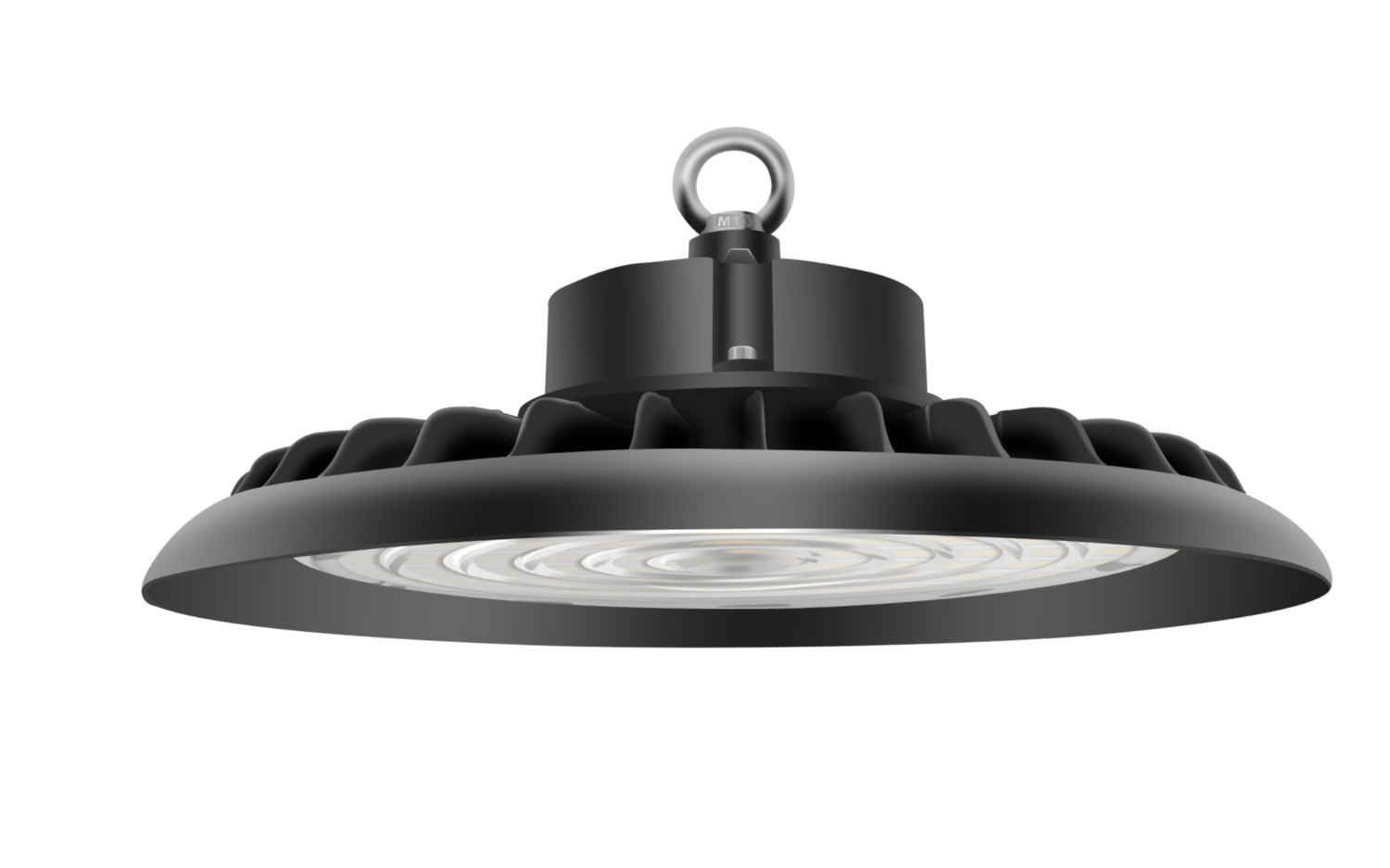
| Hallways | Budget High Bay | 150–200 | Daylight/Motion |
| Battery Room | Quattro Triproof | 300 | Always-On (Safety) |
Set this system on two circuits, and you can reduce annual energy usage by 20–35% depending on your dimming scheme.
Need help designing it? 👉 Contact CAE Lighting for a sample layout with real product loadout.
Frequently Asked Questions (FAQ)
Q: Can I use only general lighting across the whole data center?
You can—but expect poor serviceability, glare issues, and increased kWh use.
Q: What lux level do I need in front of rack doors?
Minimum 300 lux; ideally 400+ if servicing equipment regularly.
Q: Do CAE products support Casambi or DALI?
Yes. SquareBeam and SeamLine support both via external control modules.
Q: How do I avoid glare in cold aisles?
Use low UGR fixtures like SquareBeam with batwing lens optics.
Q: What’s the most energy-efficient configuration?
Hybrid zoning with sensors + dimmable drivers per zone. Prioritize task lights on demand.