
Thermal Load Reduction in Data Centers: Proven Strategies Using Advanced LED Lighting Systems
–
- Understanding Thermal Load in Data Centers
- The Role of Lighting in Thermal Load
- Advantages of LED Lighting in Thermal Management
- Case Studies: LED Lighting Implementations
- Integrating LED Lighting with Cooling Systems
- Advanced Thermal Management Techniques
- Sustainability and Regulatory Considerations
- Future Trends in Data Center Thermal Management
- Conclusion
- Frequently Asked Questions (FAQ)
Key Takeaways
| Feature or Topic | Summary |
|---|---|
| Thermal Load | LED lighting reduces heat output, easing cooling requirements in data centers. |
| Cooling Efficiency | Integration with HVAC and adaptive controls boosts system synergy. |
| CFD Simulations | Helps optimize lighting and airflow distribution for thermal management. |
| Energy Savings | LED upgrades can save up to 70% in lighting energy and 10% in cooling energy. |
Data centers are pivotal to modern operations, but they also present significant challenges in thermal management. With the increasing demands for processing power and cooling, managing thermal load efficiently has become a primary concern. LED lighting offers a solution to not only enhance lighting performance but also aid in reducing the thermal load within these environments. In this article, we will explore how efficient LED lighting contributes to cooling, reduces energy consumption, and improves overall operational efficiency in data centers.
Understanding Thermal Load in Data Centers
Thermal load refers to the heat produced by various systems in a data center, including servers, cooling equipment, and, notably, lighting systems. The intensity of this heat determines the efficiency of cooling systems, which are often the largest energy consumers within the facility. A significant portion of this thermal load comes from traditional lighting systems, which emit large amounts of heat in addition to providing illumination.
- Server Heat Output: Servers are the primary source of heat, with high-performance servers generating substantial thermal energy.
- Lighting Systems: Conventional lighting, especially incandescent and fluorescent bulbs, emit excess heat that adds to the cooling load.
- HVAC Systems: While essential for maintaining the right temperatures, HVAC systems contribute heavily to energy use and costs in data centers.
The Role of Lighting in Thermal Load
Traditional lighting systems in data centers, particularly incandescent and fluorescent bulbs, are notorious for producing high levels of heat. This not only affects the cooling systems but also increases the overall energy consumption of the data center. LED lighting, in contrast, is much more energy-efficient and produces significantly less heat.
| Lighting Type | Heat Emission |
|---|---|
| Incandescent Bulb | 80-90% heat |
| Fluorescent Tube | 50-60% heat |
| LED Lighting | 10-20% heat |
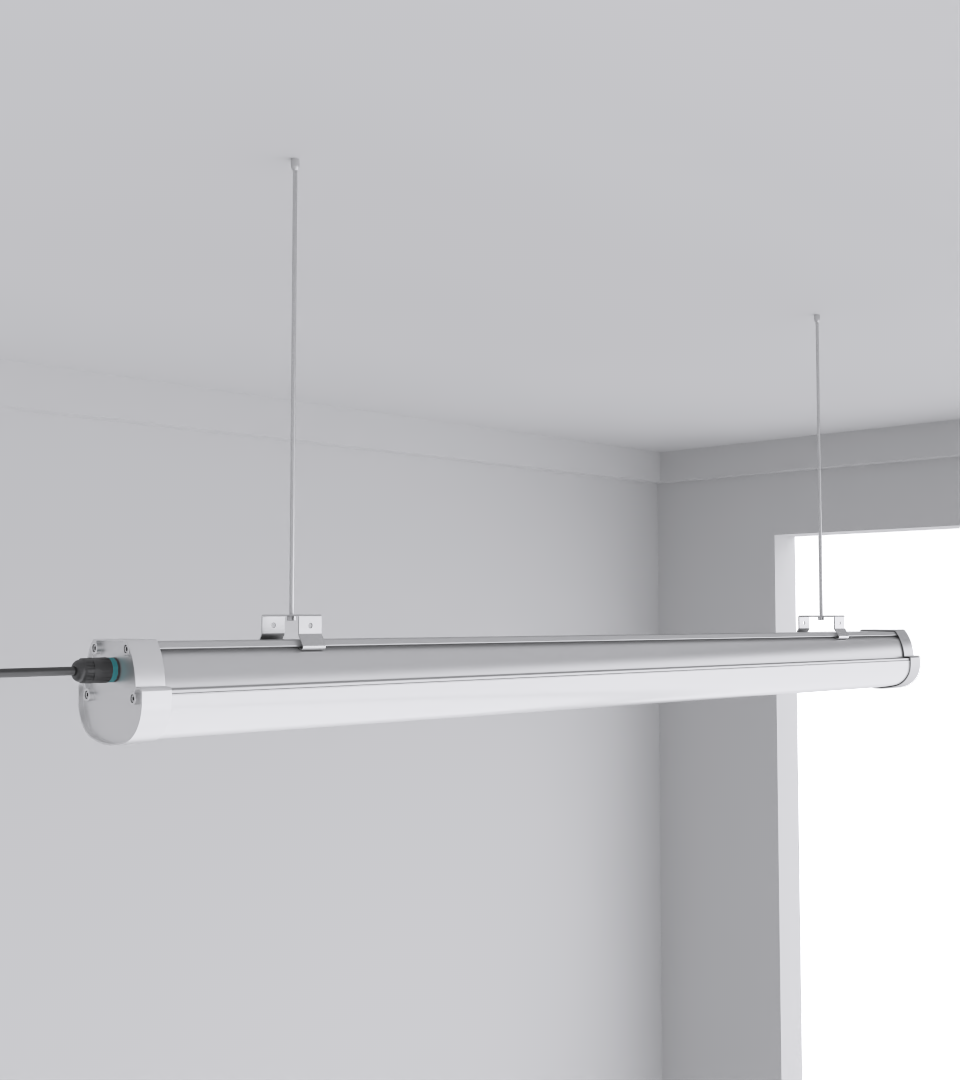
Advantages of LED Lighting in Thermal Management
- Energy Efficiency: LED lights use less power to produce the same amount of light, reducing the heat generated and lowering electricity consumption.
- Longer Lifespan: LEDs last significantly longer than traditional bulbs, reducing the frequency of replacements and maintenance costs.
- Reduced Cooling Needs: By generating less heat, LED lighting helps in keeping the data center’s temperature in check, leading to lower cooling costs.
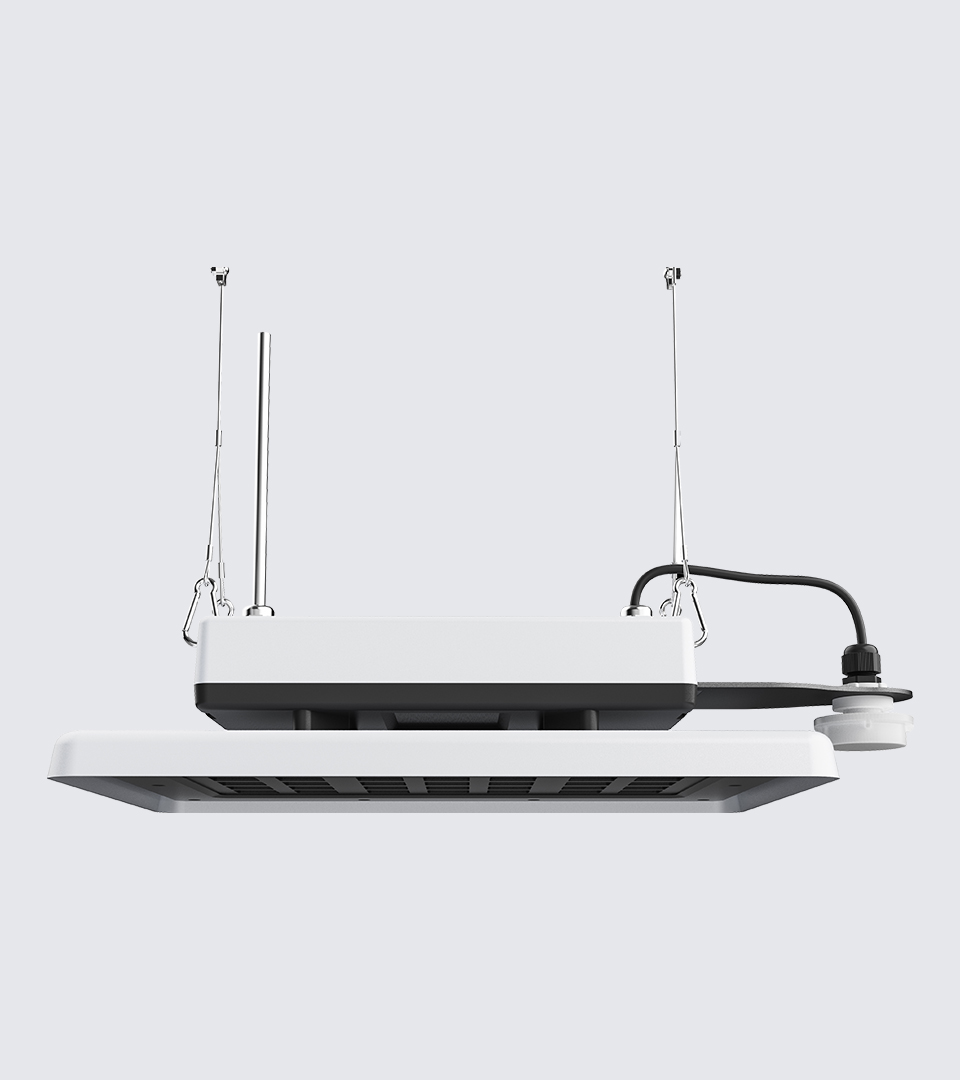
Case Studies: LED Lighting Implementations
Case Study 1: In a UK-based data center, LED lighting reduced server inlet temperatures by up to 3°C, lowering cooling demand and energy cost.
Case Study 2: A major installation saw a 10% drop in cooling energy usage after LED conversion, with no other changes to HVAC or server loads.
Case Study 3: Hot/cold aisle containment combined with LEDs improved cooling precision and avoided unnecessary heat introduction in neutral zones.

Integrating LED Lighting with Cooling Systems
- HVAC Coordination: Sync LED dimming/activation with HVAC zones to avoid overcooling unlit areas.
- Adaptive Controls: Light levels adjust based on occupancy, time-of-day, or thermal sensors.
- Lighting Layouts: Use LEDs with directional lenses and low-heat footprint in airflow-sensitive paths.
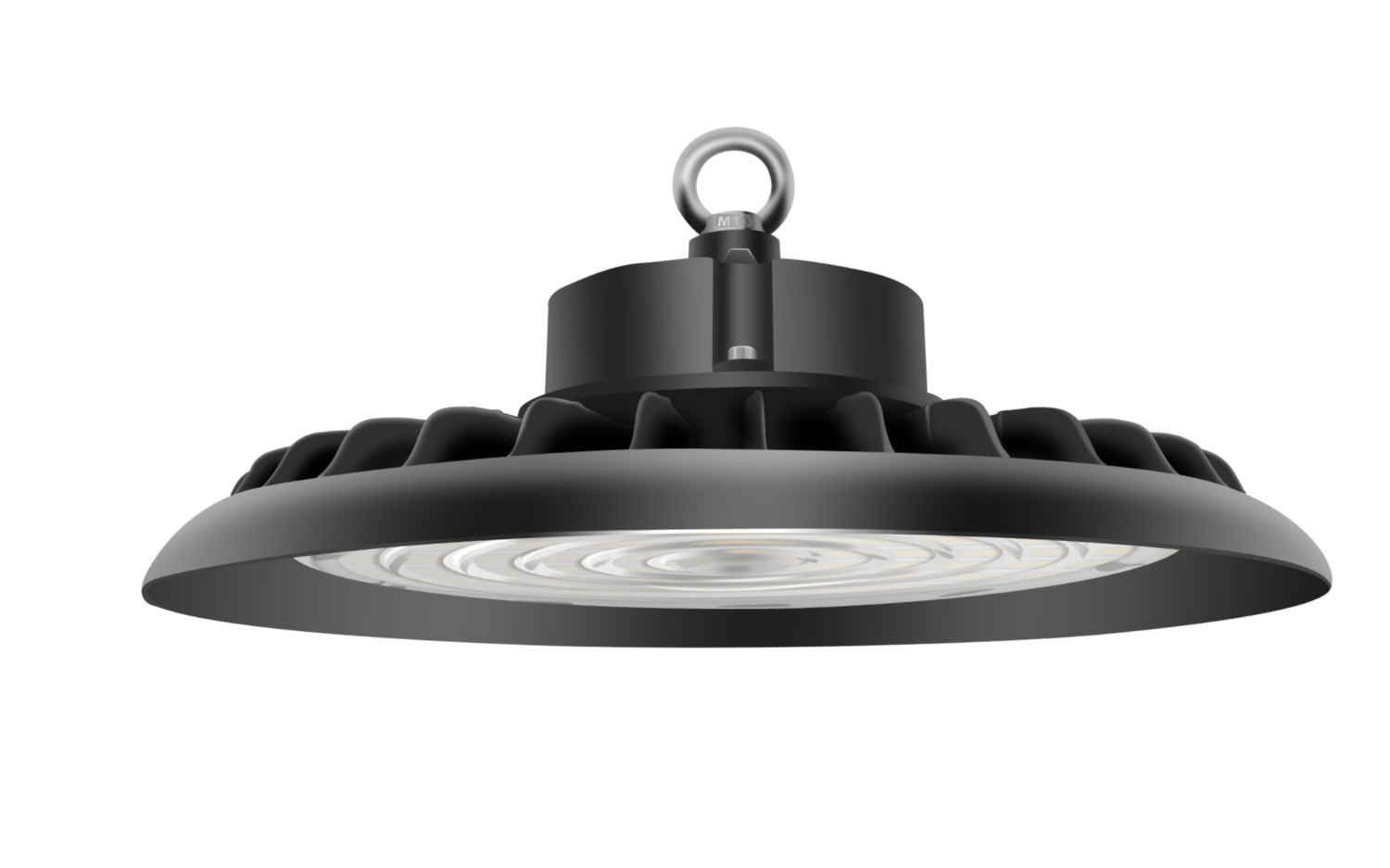
Advanced Thermal Management Techniques
- CFD Simulations: Help visualize thermal patterns and pinpoint hot zones impacted by lighting.
- Sensor Networks: Monitor real-time thermal variance and adjust lighting accordingly.
- Ventilated Fixtures: Use models designed for airflow compatibility in raised floor or ceiling plenums.
Sustainability and Regulatory Considerations
- ISO 9001: Manufacturing quality.
- ISO 14001: Environmental compliance.
- ISO 45001: Safety standards.
Future Trends in Data Center Thermal Management
- AI + LED: Dynamic lighting adjustment based on rack activity and airflow modeling.
- Liquid Cooling + Low-Heat LEDs: New pairings reduce energy waste and thermal interference.
- Power Distribution Efficiency: LED systems with direct DC connections reducing conversion loss.
Conclusion
Thermal load reduction is essential to efficient data center operations. LED lighting is one of the most under-leveraged tools to manage this, thanks to its low heat output, adaptability, and ability to work with advanced control systems. Combined with CFD, HVAC integration, and sensor-driven logic, LEDs help reduce both cooling burden and energy costs while maintaining operational integrity and sustainability goals.
Frequently Asked Questions (FAQ)
1. How does LED lighting reduce thermal load in data centers?
It emits far less heat compared to fluorescent or incandescent lighting, reducing the demand on cooling systems.
2. Can LEDs work with existing data center cooling setups?
Yes, especially when paired with adaptive control systems or airflow-conscious fixture placement.
3. What are the measurable savings?
Up to 70% in lighting energy usage and 10% in cooling energy depending on configuration.
4. Are there compliance benefits?
Yes, especially with ISO and green building certifications.
5. What’s the ROI on retrofitting to LEDs?
Payback often occurs within 12–24 months due to combined savings from energy and maintenance.