
Underfloor Lighting for Data Centers: Design Standards, Lux Requirements, and Fixture Selection
–
- Why Underfloor Lighting Actually Matters More Than You Think
- UFAD, Plenum Pressure, and Lighting That Doesn’t Mess With Air
- Recommended Lux Levels and What They Actually Mean Below the Floor
- Fixture Types That Don’t Get in the Way
- DC Power and PoE Under the Floor? Surprisingly Useful
- Maintenance Doesn’t Mean Crawling in the Dust With a Flashlight
- Emergency Scenarios: What Fails First Underfloor?
- CAE Lighting Fixtures Worth Considering (No Nonsense List)
- Frequently Asked Questions (FAQ)
Key Takeaways
| Feature or Topic | Summary |
|---|---|
| Why Underfloor Lighting? | Improves visibility for cable access, enhances safety, and supports maintenance tasks. |
| Best Technologies | Use UL-rated LED battens such as Squarebeam Elite or Quattro Triproof Batten. |
| Compliance & Standards | Ensure UL, NFPA, OSHA, and ASHRAE standards are met for safe plenum installations. |
| Thermal & Cooling Impact | Fixtures must not disrupt airflow or elevate plenum temperatures. |
Underfloor Lighting for Data Centers: Design Standards, Lux Requirements, and Fixture Selection
Why Underfloor Lighting Actually Matters More Than You Think
In a place where uptime is gospel and every cable behaves like it has secrets to keep, the underfloor space is more than just dead real estate — it’s a highway for airflow, fiber, and panic.
These aren’t rare problems — they’re daily ones. Underfloor lighting isn’t just a “nice to have,” it’s the difference between clean maintenance and cable spaghetti panic.
UFAD, Plenum Pressure, and Lighting That Doesn’t Mess With Air
You want light, not wind disruption. That’s the rule of thumb.
Recommended Lux Levels and What They Actually Mean Below the Floor
ASHRAE doesn’t joke about serviceability. OSHA expects 50 lux (minimum) for inspection zones — but “minimum” is not “good.”
| Zone Type | Target Lux | Notes |
|---|---|---|
| Cable Tray Zone | 150 lx | Inspection + minor serviceability |
| Plenum Aisle Center | 100 lx | Avoid hotspots |
| Edge Channels | 50–75 lx | Spillover from mains |
Fixture Types That Don’t Get in the Way
- Slim linear LED battens
- DC-powered strips with aluminum heatsinks
- Low-profile bracketed lights under cable trays
Avoid fixtures with fans, CFLs, or anything requiring disruptive down-punch access.

DC Power and PoE Under the Floor? Surprisingly Useful
- Low-voltage PoE or DC strips reduce heat output
- Easier to isolate from high-voltage trays
- Friendly with modern DCIM platforms
Maintenance Doesn’t Mean Crawling in the Dust With a Flashlight
- Modular fixtures with quick disconnects
- Accessible drivers
- Visual service indicators (LED blink faults)
Emergency Scenarios: What Fails First Underfloor?
- Emergency-rated fixtures under the floor
- Self-contained batteries or central inverter tie-ins

CAE Lighting Fixtures Worth Considering (No Nonsense List)
| Fixture | Use Case | Rating | Link |
|---|---|---|---|
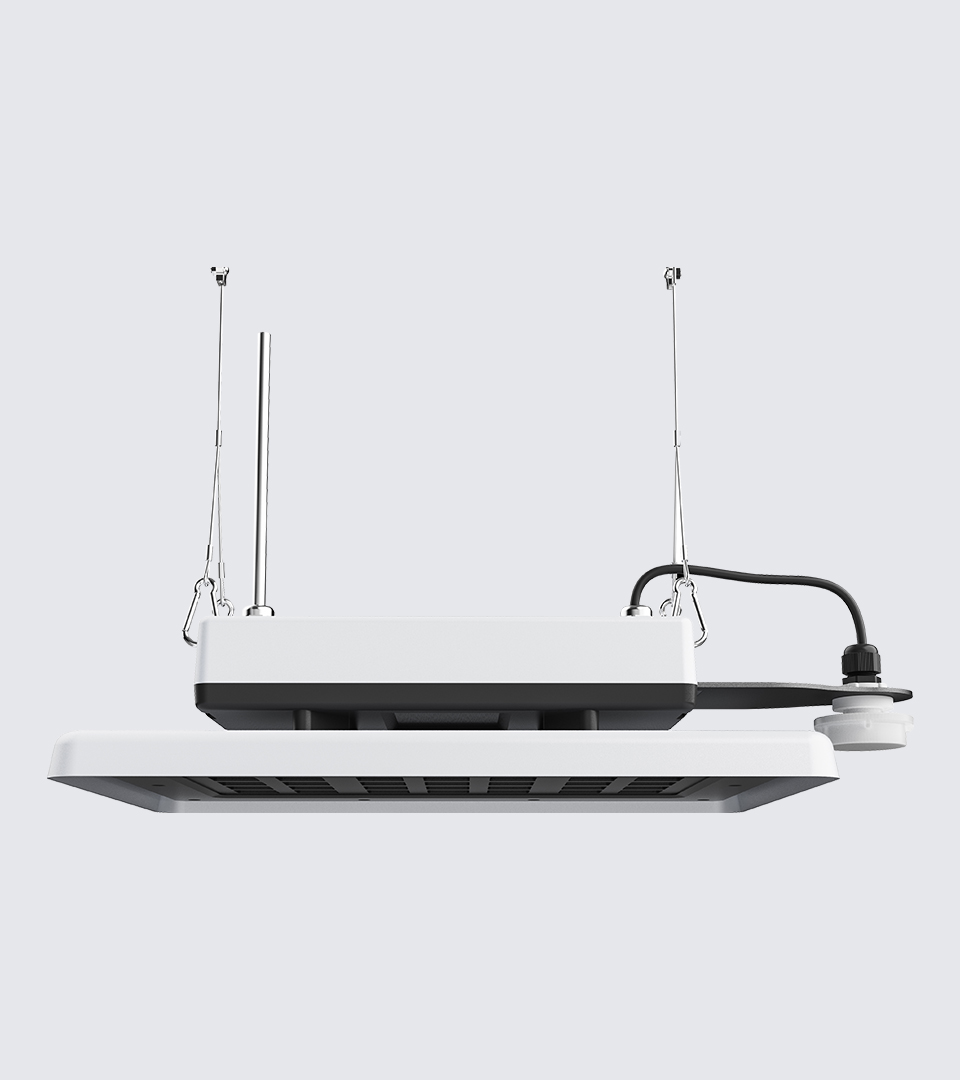
| Squarebeam Elite | High-temp data floors | IP65, DC-compatible | Link |
| SeamLine Batten | Low profile cable zones | Fast-mount, 0.95 kg | Link |
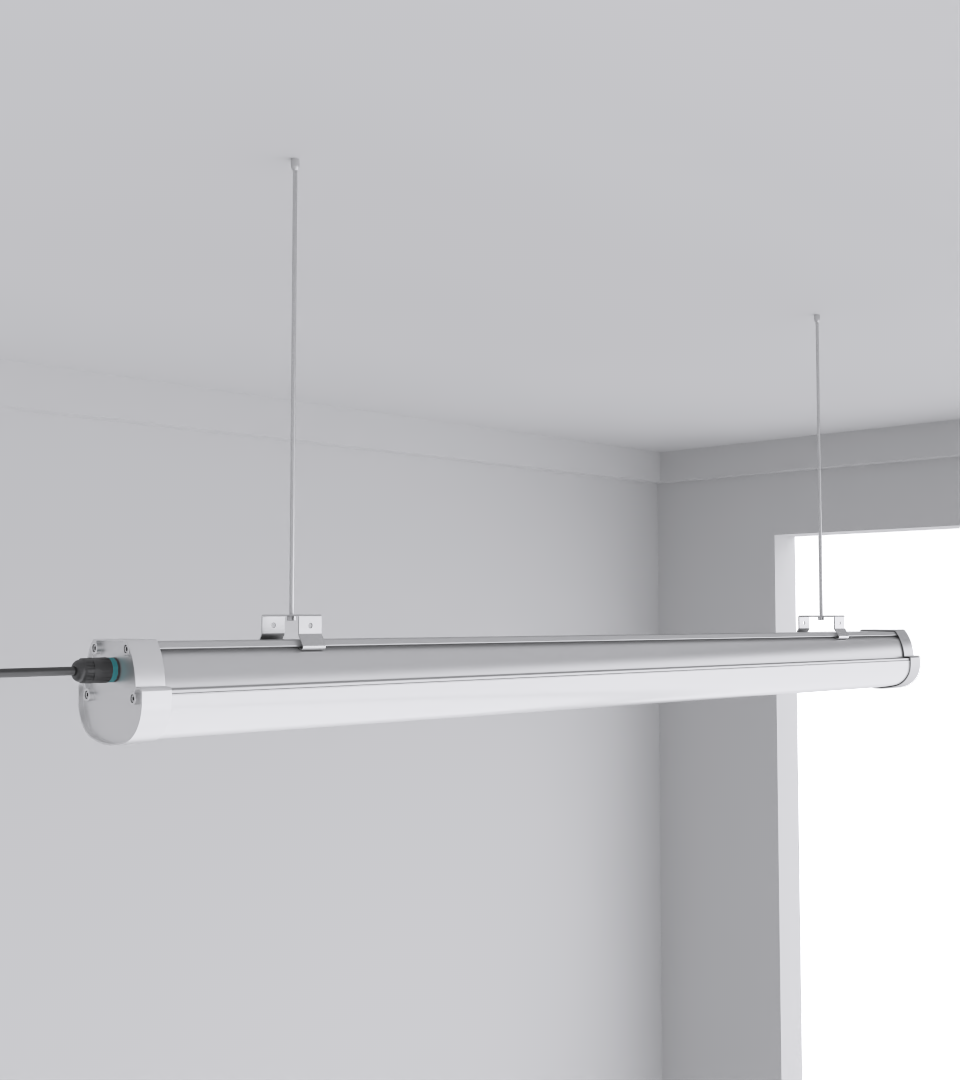
| Quattro Triproof Batten | Humid/dust-prone plenum | Sealed, anti-condensation | Link |
Frequently Asked Questions (FAQ)
What’s the ideal lux level for underfloor spaces?
150–200 lux is optimal for cable tray areas. Lower zones can be lit to 75–100 lux safely.
Can I use any LED batten under a raised floor?
No. Use UL-listed plenum-rated fixtures that don’t block airflow or introduce particulates.
Does lighting affect my data center’s cooling?
Yes — poor fixture placement can disrupt plenum airflow and increase thermal load.
Can I use PoE lighting under the floor?
Yes. It’s efficient, cooler, and integrates well with DCIM and monitoring platforms.
Should emergency lights be placed underfloor?
Absolutely. Per NFPA 70/75, underfloor egress paths must be lit during failure.