Vendor Certifications for Energy-Efficient Data Centers: Full Guide to ISO 50001, LEED, DCEP, and More
- Why Energy Certification Matters in Today’s Data Center Landscape
- Core Energy Metrics: PUE, CUE, and Why You Should Care
- The Certifications That Actually Matter (And What They Mean)
- CAE Lighting and Certified Efficiency: What It Means On Site
- Side-by-Side Comparison Table: Certification ROI
- Real Advice from the Field: What Engineers Look for First
- Preparing for Certification: Fast Tips, No Fluff
- Beyond the Badge: Using Certs to Drive Daily Efficiency
- Frequently Asked Questions (FAQ)
Key Takeaways
| Feature or Topic | Summary |
|---|---|
| Integration Benefits | Energy savings, streamlined operations, enhanced monitoring, and predictive maintenance. |
| Key Protocols | BACnet, Modbus, SNMP ensure interoperability. |
| Implementation Strategies | Assess existing infrastructure, select compatible systems, phased deployment recommended. |
| Operational Advantages | Reduced downtime, improved safety, occupant comfort, and significant sustainability contributions. |
Why Energy Certification Matters in Today’s Data Center Landscape
Most facilities don’t get certified because it looks good on a brochure. They do it because the cost of inefficiency compounds. Energy waste eats into profit margins, creates cooling challenges, and can even trigger non-compliance penalties under tightening green regulations.
Certifications aren’t just a stamp — they guide infrastructure toward practical benchmarks. When CAE Lighting engineers spec luminaires for large clients, certifications like ISO 50001 or LEED help shape everything from wattage plans to driver compatibility.
Core Energy Metrics: PUE, CUE, and Why You Should Care
- PUE (Power Usage Effectiveness): Ratio of total facility energy to IT energy. Lower = better.
- CUE (Carbon Usage Effectiveness): Tracks carbon footprint of energy used.
- WUE (Water Usage Effectiveness): Water per kWh, critical for cooling-heavy systems.
These metrics are used in nearly every certification protocol — from ISO 50001 to Uptime Institute CDCEP.
The Certifications That Actually Matter (And What They Mean)
- DCEP (DOE): Government-aligned training for energy audits
- CDCEP (Uptime): Operational & design-centric certification
- LEED: Sustainability credential (Platinum, Gold, etc.)
- ISO 50001: Global standard for energy management systems
- Energy Star: EPA-backed recognition for efficient buildings
- TIA-942: Infrastructure classification
CAE Lighting and Certified Efficiency: What It Means On Site
CAE Lighting integrates compliance support into its product strategy:
- ISO 9001 – Quality Management
- ISO 14001 – Environmental Management
- ISO 45001 – Occupational Health & Safety
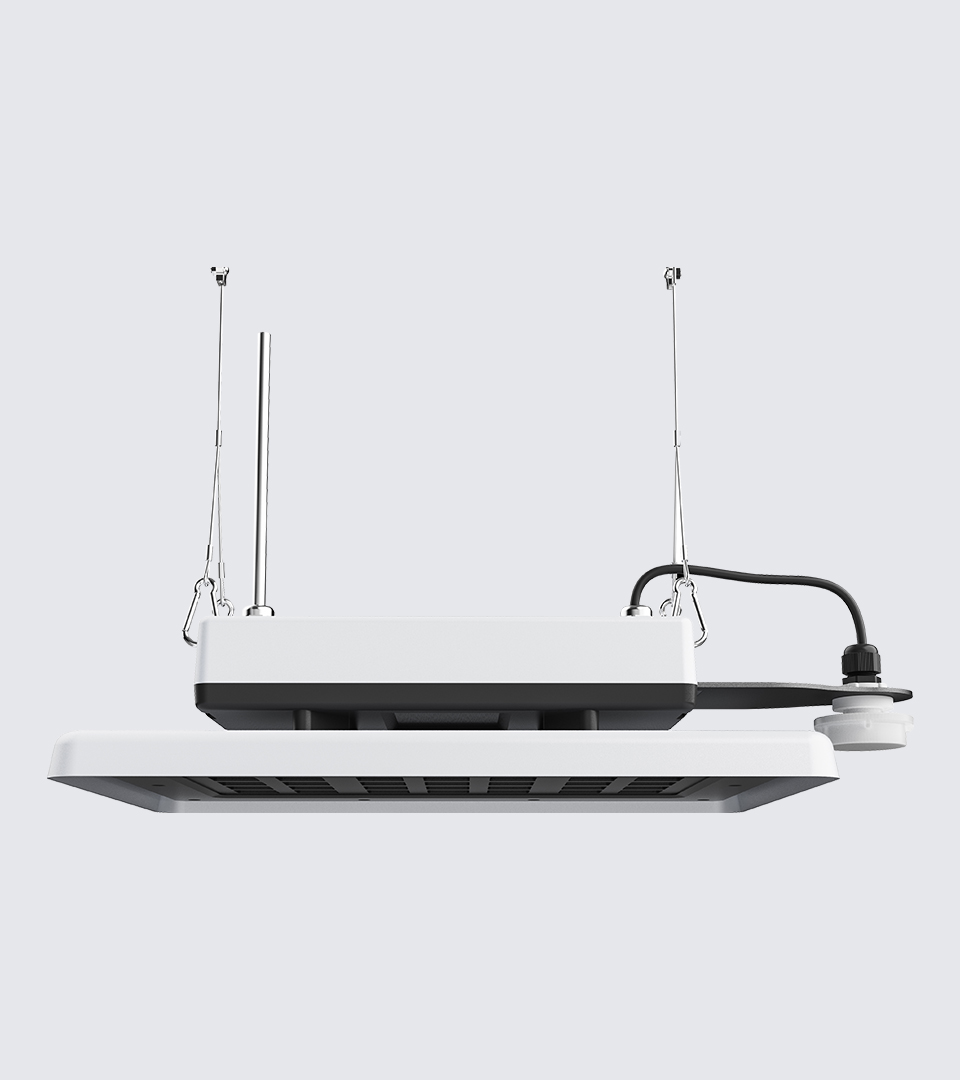
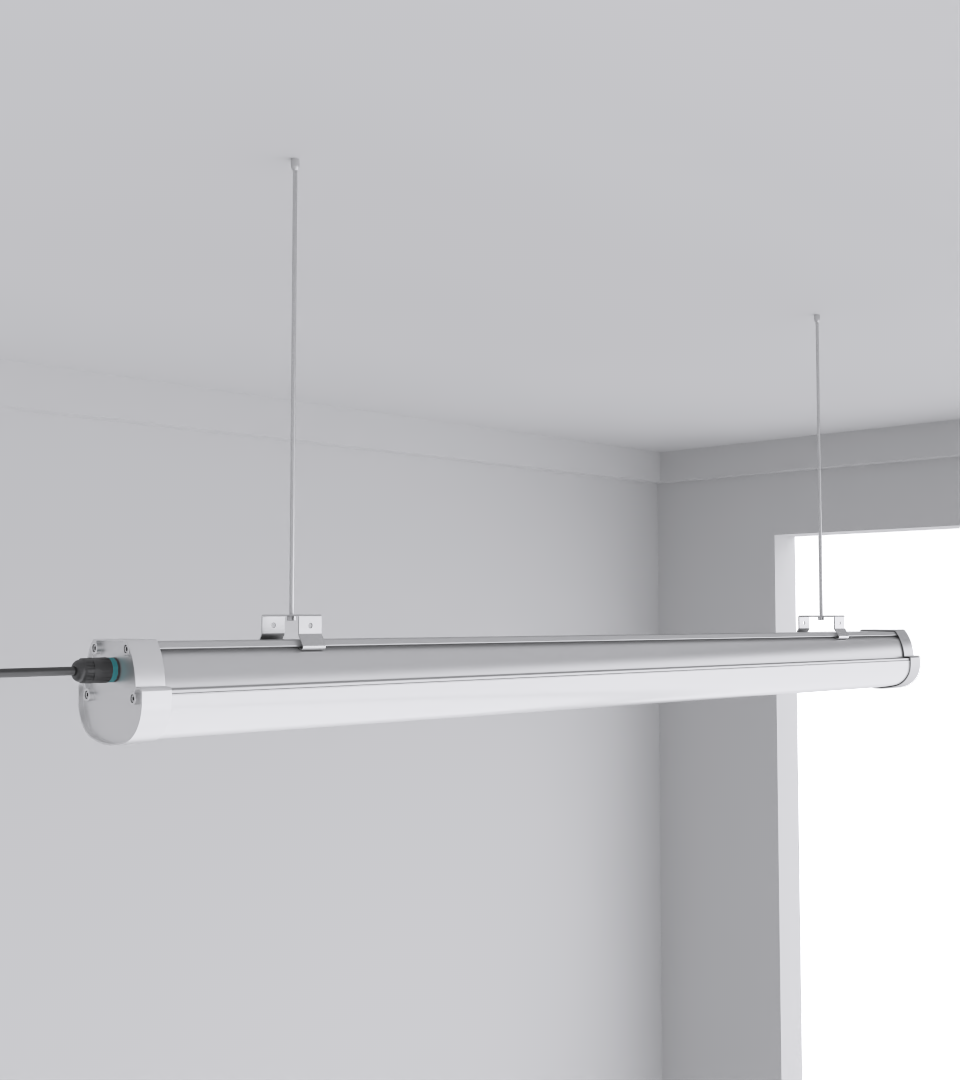
Products like the SquareBeam Elite and Quattro Triproof Batten support energy‑driven environments with:
- Flicker-free high lumen output
- Sensor compatibility (for motion/daylight savings)
- High IP ratings for thermal environments
Side-by-Side Comparison Table: Certification ROI
| Certification | Duration | Avg. Cost | Focus Area | Recert Needed? |
|---|---|---|---|---|
| DCEP | 3–5 days | $1,500–2,500 | Energy auditing | No |
| LEED | 6–12 mo | $8,000–20,000 | Building sustainability | Yes (annually) |
| ISO 50001 | 4–6 mo | Varies | Energy systems | Yes (3-year) |
| CDCEP | 1 week | ~$3,000 | Design/operations | No |
| Energy Star | 2–3 mo | Low (audit cost) | Equipment & building | Annual |
Real Advice from the Field: What Engineers Look for First
When we ran a lighting retrofit for a warehouse client using the SeamLine Batten, they didn’t ask about LEED credits. They asked:
- “What cert helps with heat reduction?”
- “Which one can we finish in under 3 months?”
Our answer: DCEP + Energy Star.
They upgraded battens, added sensors, and got certified in 45 days. Result: a PUE drop from 1.89 to 1.55.

Preparing for Certification: Fast Tips, No Fluff
- Audit first. Know your PUE baseline
- Use certified equipment. Like CAE’s ISO‑tested luminaires
- Plan team roles. Assign energy officer, reviewer, vendor rep
- Choose right cert. Don’t overreach. Start small (e.g., DCEP)
Common mistake? Focusing on “labels” before fixing airflow, lighting zones, or runtime schedules.
Beyond the Badge: Using Certs to Drive Daily Efficiency
Certs don’t just help you pass inspections. They teach:
- Load balancing through lighting schedules
- Smart fixture selection
- How to interpret consumption logs from DDC/BMS systems
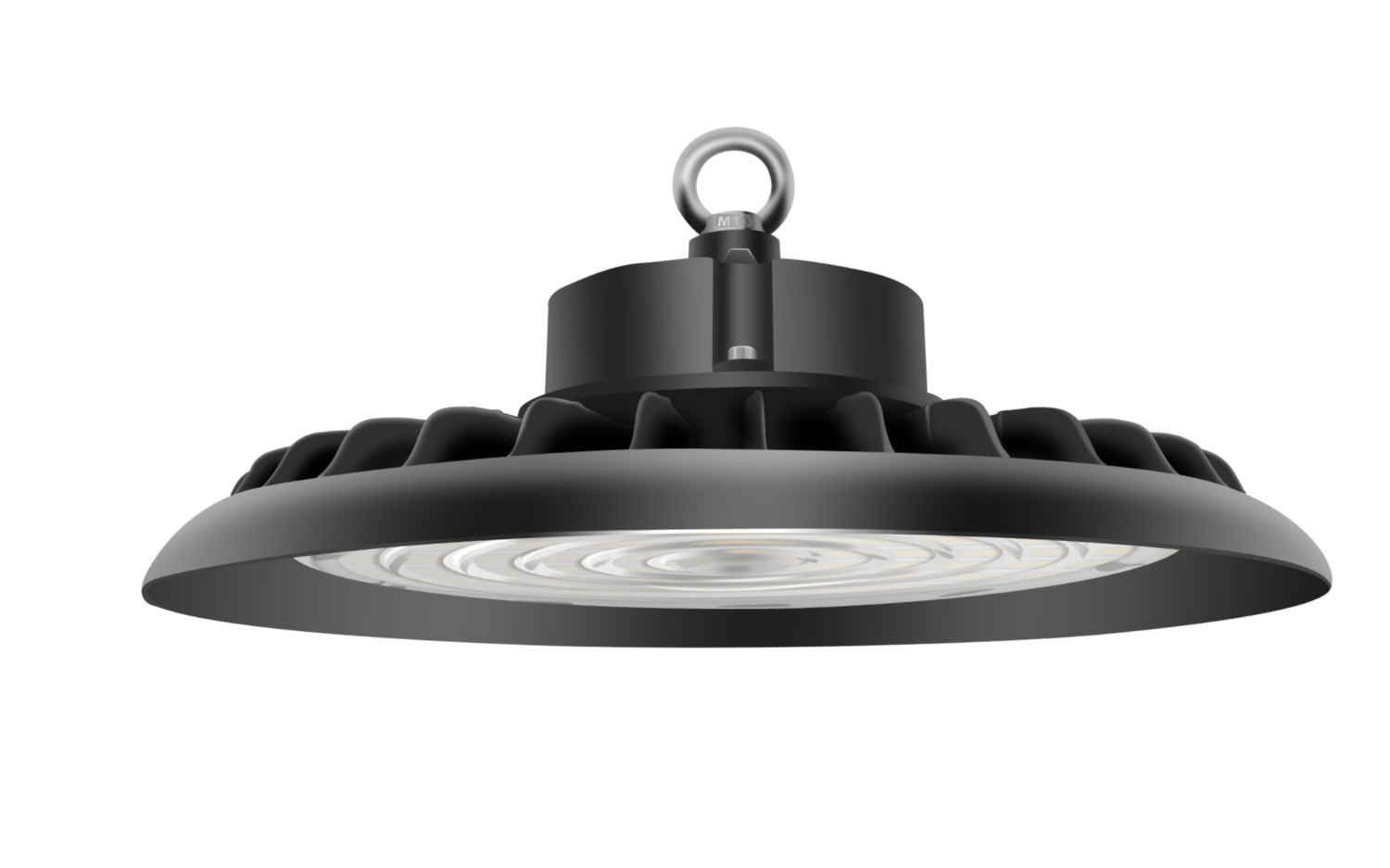
One client in Kuala Lumpur uses Budget High Bay Light synced with occupancy sensors. Saved 22,000 kWh/year, documented as part of their ISO 50001 submission.
Frequently Asked Questions (FAQ)
What’s the easiest certification to start with?
DCEP and Energy Star are fast to complete and offer immediate energy visibility with lower cost.
How does lighting affect PUE?
Lighting is part of non-IT load. Efficient fixtures and controls (dimming, occupancy sensors) reduce cooling and total energy usage — lowering your PUE ratio.
Do I need all certifications?
No. Choose based on your role and goals. Operators may need ISO 50001 or LEED. Technicians benefit from DCEP or CDCEP.
Can LED fixtures be part of LEED points?
Yes. Especially high-efficiency, sensor-ready luminaires like the SeamLine Batten or SquareBeam Elite.
What does CAE Lighting offer to help certification?
ISO-certified lighting products, integrated motion/daylight control, and spec-level support for audits and energy documentation.
Explore All Products |
Contact the CAE Lighting Team |
See Our Data Center Lighting Guide