
Wired vs Wireless Control Systems in Data Centers: Performance, Cost, and Integration Compared
- 1. What Are Control Systems in Data Centers?
- 2. Why This Comparison Matters
- 3. Technical Foundations
- 4. Performance Comparison
- 5. Reliability & Security
- 6. Deployment Considerations & Costs
- 7. Use-Case Breakdown
- 8. Hybrid Architecture
- 9. Wireless Data Center Networks
- 10. Control Integration
- 11. Best Practices for Deploying Wireless
- 12. Final Thoughts
- Frequently Asked Questions (FAQ)
Key Takeaways
| Question | Short Answer |
|---|---|
| Which is more reliable: wired or wireless control systems? | Wired is more reliable for latency-sensitive and safety-critical systems. |
| Where does wireless excel in data centers? | Wireless is best for environmental monitoring, mobile assets, and retrofits. |
| Are hybrid systems viable? | Yes — hybrids balance performance, cost, and flexibility. |
| What are the biggest cost differences? | Wired has higher install costs; wireless saves on labor and materials. |
| Is wireless secure enough for mission-critical tasks? | With encryption and RF planning, yes — but risks remain. |
| When should you absolutely use wired control? | In actuator control loops, structured BMS, and power systems. |
| What does CAE Lighting offer for data center lighting? | Industrial battens, smart high bays, and motion-sensor luminaires designed for thermal-heavy DCs. |
Wireless vs Wired Control Systems in Data Centers
1. What Are Control Systems in Data Centers?
Data center control systems manage environmental sensors, access mechanisms, building automation, power infrastructure, and safety loops. These aren’t optional — they’re operational lifelines. Both wired and wireless technologies are used depending on the performance and scalability needed.
2. Why This Comparison Matters
Wireless and wired systems each carry significant tradeoffs. Cabling adds cost and complexity; wireless reduces infrastructure but raises concerns about interference, coverage, and long-term reliability.
3. Technical Foundations
Wired: Ethernet, fiber, industrial Ethernet for deterministic timing. Wireless: Wi-Fi 6/6E, Zigbee, mmWave for flexibility. Protocols like BACnet and Modbus can run on both — but integration methods vary.
4. Performance Comparison
Wired outperforms wireless in bandwidth and latency, but for many use cases (like monitoring), wireless is fast enough. Loss-sensitive or real-time systems should stick to wired infrastructure.

5. Reliability & Security
Wireless introduces more physical-layer risks: jamming, interference, and signal dropouts. Wired risks include physical damage or disconnection. Security depends on encryption (WPA3, TLS) and proper segmentation.
6. Deployment Considerations & Costs
Wireless is cheaper and faster to deploy — especially in retrofit environments or ceiling-restricted spaces. Wired systems have higher CapEx, but may reduce long-term maintenance depending on uptime needs.
7. Use-Case Breakdown
Use wired for control loops and power systems. Use wireless for environmental monitoring, mobile assets, or temporary infrastructure like containerized DCs.

8. Hybrid Architecture
The best systems combine wired backbones with wireless edge devices. For example: BACnet over Ethernet for HVAC controls, Zigbee sensors for rack airflow monitoring.
9. Wireless Data Center Networks
mmWave and Optical Wireless Communication (OWC) promise cable-free topologies. But heat dissipation, signal obstruction, and reliability under stress still limit adoption.
10. Control Integration
Time synchronization, VLAN segmentation, firmware control, and gateway compatibility are critical when mixing wireless and wired systems. Lack of planning leads to integration failure.
11. Best Practices for Deploying Wireless
RF mapping, channel planning, battery tracking, secure key management, and phased migration are musts for stable wireless control deployments.
12. Final Thoughts
Use wireless where it adds value: mobility, fast install, flexible topology. Use wired where failure is not an option. Hybrid wins when designed with intention and understanding of the physical and logical risks involved.
Frequently Asked Questions (FAQ)
- Q: Is wireless safe for critical controls like power or fire suppression?
A: No — always use wired for life-safety and deterministic control functions. - Q: Which wireless protocol is best?
A: Zigbee for sensors, Wi-Fi 6 for telemetry, mmWave for high-speed interconnects in R&D environments. - Q: Can wireless fully replace wired in modern data centers?
A: Not yet. It’s best used in complementary, not replacement, roles today. - Q: Does CAE Lighting offer wireless-ready products?
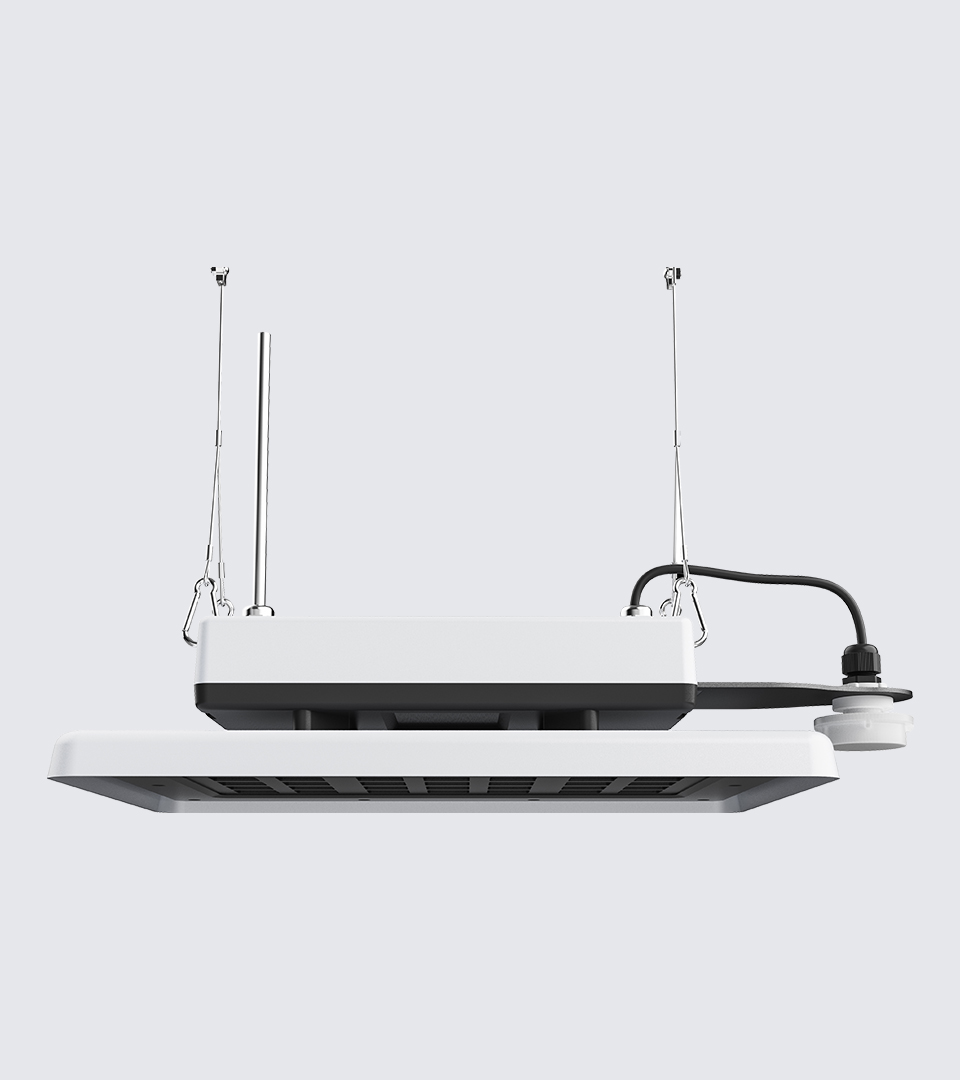
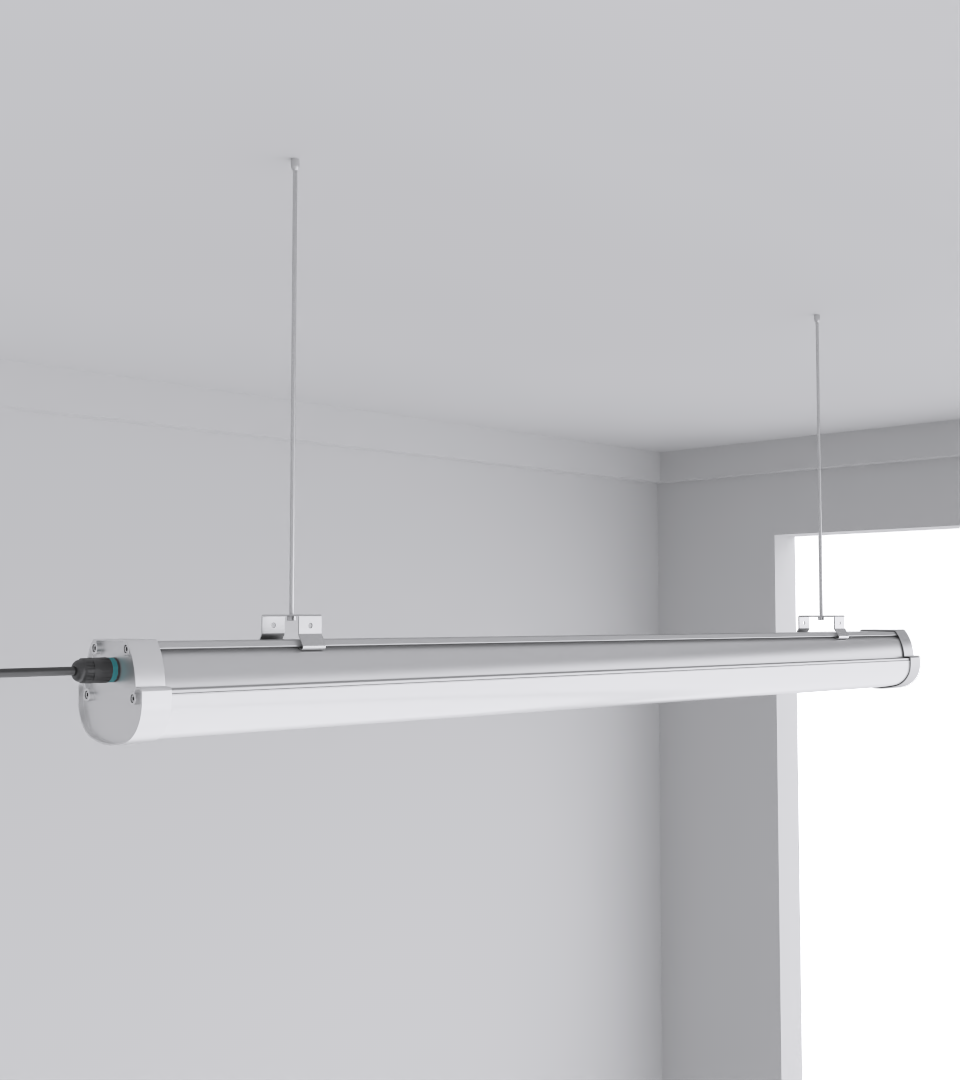
A: Yes. [Squarebeam Elite](https://www.caeled.com/product/squarebeam-elite/) and [Quattro Triproof Batten](https://www.caeled.com/product/quattro-triproof-batten/) integrate smart control and motion detection features.