
Wiring Retrofits in Data Centers: Expert Guide to Live Environment Challenges & Solutions
- 1. Introduction
- 2. Wiring Challenges in Active Data Centers
- 3. Code Compliance & Safety Protocols
- 4. Planning & Audit Phase
- 5. Wiring Design Strategies
- 6. Emergency & Exit Lighting Integration
- 7. LED Lighting & Smart Controls Wiring
- 8. Interim Power Strategies
- 9. Cable Management Best Practices
- 10. Work Execution
- 11. Validation & Commissioning
- 12. Maintenance & Future Scalability
- 13. Advanced/Niche Considerations
- 14. Case Studies & Lessons Learned
- 15. Conclusion & Checklist
- Frequently Asked Questions (FAQ)
Key Takeaways
| Question | Summary Answer |
|---|---|
| What are the main wiring challenges in data center retrofits? | Cable tray congestion, arc-flash risks, limited raceway space, and EMC segregation. |
| How can lighting systems be upgraded without downtime? | By using phased retrofits, temporary bypass wiring, and low-voltage PoE systems. |
| Which CAE Lighting products are best for data centers? | Squarebeam Elite, Quattro Triproof Batten, and SeamLine Batten. |
| What safety standards and codes must be followed? | NEC, NFPA 70, IEC, and AHJ-specific codes including arc-flash assessments and emergency power requirements. |
| What tools help manage cables during retrofits? | Structured trays, RFID tagging, digital twin tracking, and airflow-optimized tray designs. |
| How is smart lighting wired in existing facilities? | Using DALI, 0–10V, or PoE systems, with surge protection and correct circuit segregation. |
| What interim power strategies can maintain uptime? | UPS-fed temporary lighting, inverter circuits, and phased retrofit sequences. |
| How can wiring documentation and validation be streamlined? | Cable tagging, continuity testing, commissioning reports, and updated digital wiring drawings. |
1. Introduction
Wiring might not be the most glamorous part of a retrofit, but in a data center, it’s the backbone. When you’re upgrading lighting systems, whether for energy efficiency or smarter control, poor wiring decisions can cost far more than just downtime. They can compromise safety, interfere with IT infrastructure, and create long-term inefficiencies that are hard to fix once the cables are in the ceiling.
In retrofit projects—especially those in live data center environments—the challenge isn’t just adding new lighting. It’s fitting that lighting into a space already full of mission-critical systems, without causing disruption. Lighting cables compete for tray space, raise arc‑flash hazards, and often involve both power and control wiring, including emergency circuits that must be code compliant.
This guide breaks down the real-world wiring issues faced by electrical teams and facilities engineers when retrofitting lighting in high-uptime environments like data centers. We’ll look at:
- Where wiring tends to go wrong during lighting retrofits
- How to phase electrical work in a live server hall
- Emergency lighting circuits and inverter topologies
- Smart lighting wiring for PoE, DALI, and sensor loops
- Compliance tips and commissioning checklists
2. Wiring Challenges in Active Data Centers
In a live data center, every wire pulled is a potential disruption. You’re not starting from scratch—you’re weaving into a running engine. Here’s where it typically gets messy:
- Live environment risks: You can’t kill the power. So teams must install on redundant paths or during staggered maintenance windows.
- Raceway limitations: Existing conduits and cable trays are usually sized for the original build—no slack room.
- IT cable dominance: Fiber, Cat6, power—all fight for space in ceiling trays. Lighting wiring often becomes an afterthought.
- EMC and interference: Mixing 230V lighting feeds with data cabling creates noise and safety issues if not properly segregated.
3. Code Compliance & Safety Protocols
Data centers operate under strict safety protocols—both for personnel and infrastructure. Wiring work must comply with national electrical codes and internal data hall standards.
- Arc‑flash hazard zones: Lighting wiring may run near panels or UPS gear that carries high current. A flash assessment determines PPE, clearances, and sequence of work.
- Emergency lighting circuits: Must follow local codes and provide redundancy via batteries or central inverters.
- Documentation: Updated as-built drawings and accurate tagging are required for inspections and future work.
- Local authority coordination: The AHJ (Authority Having Jurisdiction) must approve retrofits that modify life safety systems or fire barriers.
4. Planning & Audit Phase
No lighting retrofit should begin without a baseline electrical and photometric audit. Here’s what’s included:

- Circuit loading: Identify breaker size, circuit count, and load capacity. Avoid adding lights to near-capacity circuits.
- Voltage drop assessment: Essential for long cable runs—especially in high bays.
- Lighting level audit: Determine existing lux levels, glare issues, and dead zones to optimize layout rewiring.
- Stakeholder alignment: IT, security, maintenance, and contractors must be looped in to avoid operational clashes.
5. Wiring Design Strategies
Wiring plans in retrofit projects must accommodate existing infrastructure and allow for scalability. Effective strategies include:

- Phased work zones: Wiring one area at a time with temporary lighting to avoid total darkness or downtime.
- Raceway upgrades: Add parallel conduits or widen cable trays if space is limited. Don’t mix low-voltage and 230V in shared paths.
- Color coding: Use cable jackets or ties to visually separate control wiring, emergency feeds, and general lighting.
- Flexible conduits: In some retrofits, they provide safer routing than rigid EMT, especially around obstacles or tight racks.
6. Emergency & Exit Lighting Integration
Emergency lighting circuits are legally required, and they behave very differently from standard mains lighting. Retrofits must consider both backup and control wiring layouts.
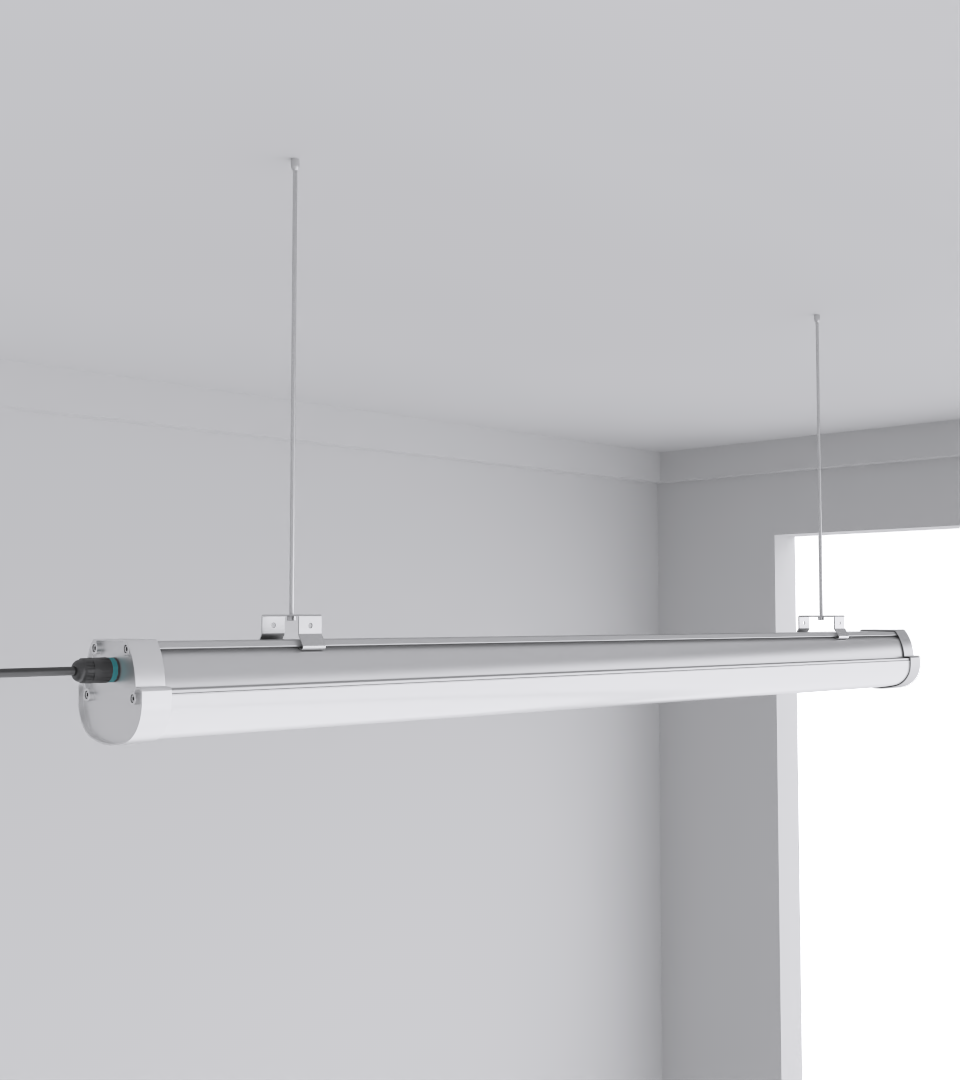
- Egress path wiring: Must remain illuminated during a power outage. This means isolated circuits, either battery-backed or inverter-fed.
- Central inverters vs batteries: Battery units reduce wiring but add fixture maintenance. Inverters centralize maintenance but increase wiring complexity.
- Voltage and redundancy: Must meet local code (e.g., 90 minutes at full output in the U.S.).
- Testing compliance: Monthly tests and commissioning must be built into wiring control logic or done manually.
7. LED Lighting & Smart Controls Wiring
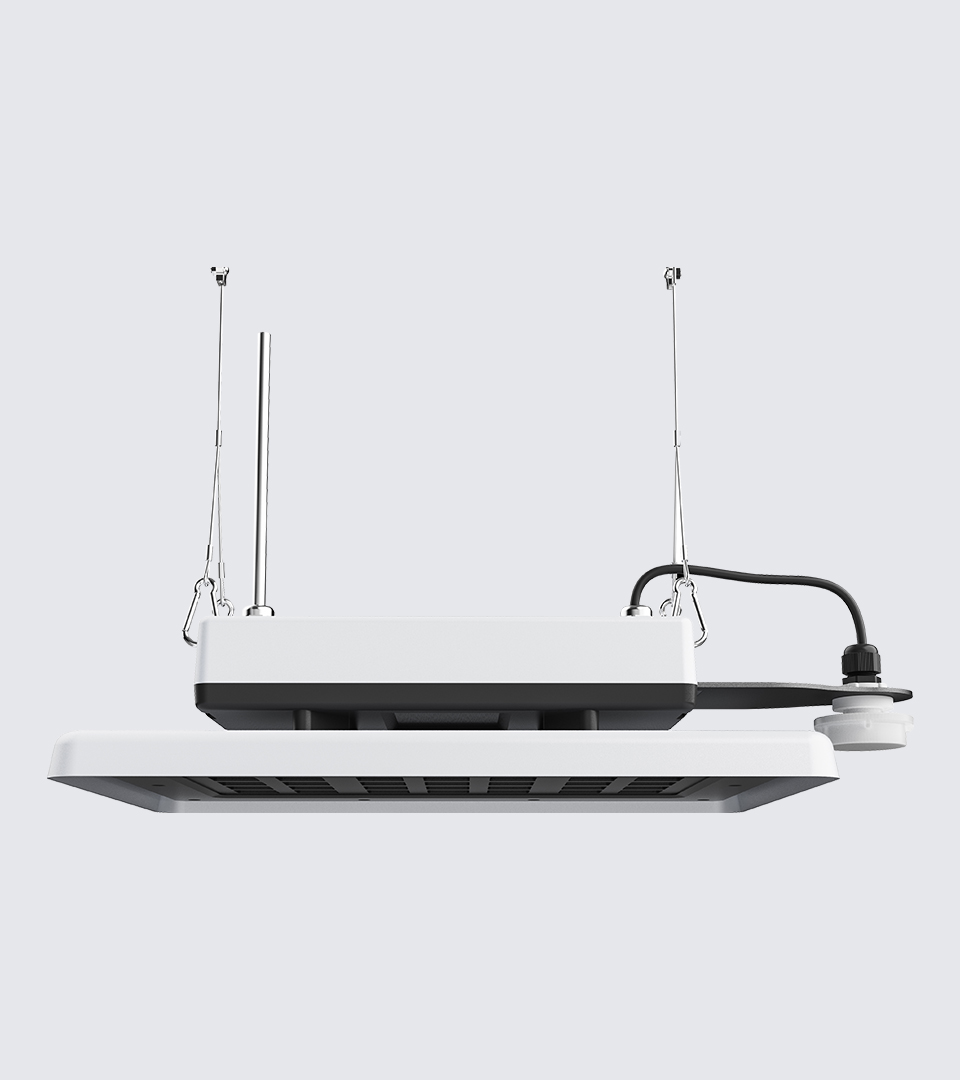
Modern lighting systems often incorporate sensors, timers, and networking. That brings control wiring into the mix—low-voltage, but high in complexity.
- PoE (Power over Ethernet): Supplies power and data over CAT6. Reduces AC wiring but requires switch/router coordination.
- DALI and 0-10V: Common protocols for dimming and group control. Need shielded cable and proper terminations.
- Sensor loops: Occupancy and daylight sensors must be carefully mapped in layouts—usually via control bus wiring.
- Surge and interference control: Smart controls must be isolated from noise-inducing power lines.
8. Interim Power Strategies
One of the biggest challenges in retrofitting data centers is avoiding blackout conditions while circuits are being rewired.
- Temporary bypass lighting: Portable fixtures or UPS-powered luminaires installed during rewiring phases.
- Mobile inverter carts: Useful in areas without easy circuit redundancy—these are wheeled in during work zones.
- Cooling sensitivity: Disrupting power near HVAC control panels or server zones risks unplanned shutdowns. Timing and phase planning are critical.
9. Cable Management Best Practices
Lighting cables must be traceable, safe, and serviceable—especially when sharing tray space with IT wiring.
- Structured cable trays: Divide trays with metal or plastic barriers to separate power, control, and data cables.
- Minimum bend radius: LED driver cabling often has tighter radius requirements than typical MC cables.
- Vertical runs: Use ladder risers with support spacing compliant with weight loading of added lighting circuits.
- Labeling and access: Use RFID tagging or printed labels for serviceability. Trays must remain accessible post-installation.
10. Work Execution
Once the wiring plans are approved and equipment is on-site, work execution becomes the most high-risk phase. Coordination and validation are essential.
- Qualified electricians: All workers must be licensed and trained in live data environments—especially for emergency wiring.
- Lockout‑tagout (LOTO): Proper safety protocols must be followed for every circuit swap or disconnection.
- Lighting loads and UPS: Some circuits may be tied to critical UPS loads. These require extra validation and documentation.
- Test & commissioning: Every cable must be megger tested and continuity confirmed. Lighting levels also validated against photometric targets.
11. Validation & Commissioning
Every lighting and wiring retrofit must end with proper validation—especially in data center environments where any fault can trigger alarms or compliance issues.
- System testing: Ensure all emergency, control, and general lighting circuits perform as expected—under power fail conditions too.
- Load verification: Confirm circuits are balanced and that driver inrush currents are within UPS/inverter limits.
- Energy measurement: Log wattage drops to support utility rebates or ESG reporting. Can be done via submetering or control system output.
- Update documentation: Final drawings, load tables, and cable schedules must reflect as-built conditions for future maintenance.
12. Maintenance & Future Scalability
Great wiring is future-proofed. Retrofits shouldn’t just solve today’s problems but leave room for tomorrow’s upgrades.
- Cable tagging and logging: Use QR or RFID labels for circuit identification. Sync them with BIM or wiring databases.
- Tray space planning: Leave 20–30% tray capacity for future circuits—especially in data halls with growth targets.
- Maintenance training: Train onsite staff to identify and troubleshoot new circuits and controls confidently.
- Standardization: Use consistent materials and methods across all data halls to ease long-term maintenance.
13. Advanced/Niche Considerations
- RFID tagging for cable IDs: Used in hyperscale data centers to track wiring lifecycle and verify configuration.
- Integration with BMS/DCIM: Control systems must hand off monitoring data to Building Management Systems for central visibility.
- Pod lighting in high-density zones: Specific row-by-row layouts may require dual feeds or motion logic to balance performance and savings.
- Cybersecurity: Any IP-based lighting control should be firewalled and follow security protocols (e.g. VLAN segmentation).
14. Case Studies & Lessons Learned
- Live retrofit under cooling gantries: In one case, overhead lighting circuits were installed during chiller replacement using mobile UPS fixtures—coordination between HVAC and lighting teams was essential.
- Colocation data hall upgrade: Phased install of PoE fixtures using suspended trunking allowed full lighting upgrade without service disruption—showed ROI in under 14 months.
15. Conclusion & Checklist
Retrofitting lighting in a live data center is never plug-and-play. But with proper planning and wiring strategy, it’s entirely achievable—and often worth the energy gains and control flexibility.
Wiring Retrofit Checklist:
- ☑ Electrical audit completed and raceway map validated
- ☑ Phased install plan reviewed with IT and ops
- ☑ All emergency lighting circuits code-compliant
- ☑ Control wiring segregated and surge-protected
- ☑ Commissioning completed and as-built docs issued
Frequently Asked Questions (FAQ)
Q: Can I use existing raceways for new lighting wiring?
A: Only if there’s enough capacity and no conflict with IT/data lines. Always check with updated NEC/IEC rules.
Q: How do I wire DALI or PoE lighting during a retrofit?
A: Use shielded twisted pair for DALI; CAT6 for PoE. Run control wiring in separate trays when possible to reduce interference.
Q: What happens if emergency lighting fails commissioning?
A: The retrofit can’t be signed off. You’ll need to resolve inverter load issues or install battery-backup alternatives.
Q: Should I label all new cables?
A: Absolutely. QR codes or RFID tags help maintenance and are now required by many internal auditing policies.
Q: How long does a phased lighting retrofit take?
A: Depends on size, but expect 4–12 weeks for a full hall, assuming minimal shutdowns and 24/7 operational continuity.