
Mastering LED Fixture Mounting Techniques for Optimal Efficiency and Compliance in Data Centers
–
Key Takeaways
| Feature or Topic | Summary |
|---|---|
| Integration Benefits | Energy savings, streamlined operations, enhanced monitoring, and predictive maintenance. |
| Key Protocols | BACnet, Modbus, SNMP ensure interoperability. |
| Implementation Strategies | Assess existing infrastructure, select compatible systems, phased deployment recommended. |
| Operational Advantages | Reduced downtime, improved safety, occupant comfort, and significant sustainability contributions. |
Mounting Techniques for LED Fixtures in Data Centers
Mounting LED fixtures in data centers is more than just about providing light. It’s a technical process that demands precision to meet industry standards while enhancing operational efficiency, safety, and energy savings. Understanding the best mounting techniques is crucial, as improper setups can lead to poor light distribution, unnecessary maintenance, and even violations of safety codes.
This article will explore various mounting methods, their benefits, challenges, and the best practices to follow when installing LED lighting systems in data centers.
Why LED Mounting in Data Centers Is Unique
Unlike conventional office lighting, data centers require a more specialized approach to lighting due to the unique environment. Here are a few reasons why:
- Heat Management: LEDs generate far less heat than traditional lighting but must still be carefully mounted to prevent interference with sensitive equipment.
- High Lumen Density: Data centers need intense, uniform lighting to support operations around the clock. LED fixtures must be strategically placed to avoid dark spots.
- Integration with Infrastructure: LED fixtures in data centers often need to fit around other systems, such as cable trays, racks, and ducts, making mounting techniques more complex.
These factors make data center LED mounting distinct and require careful consideration of heat, light distribution, and integration with existing structures.
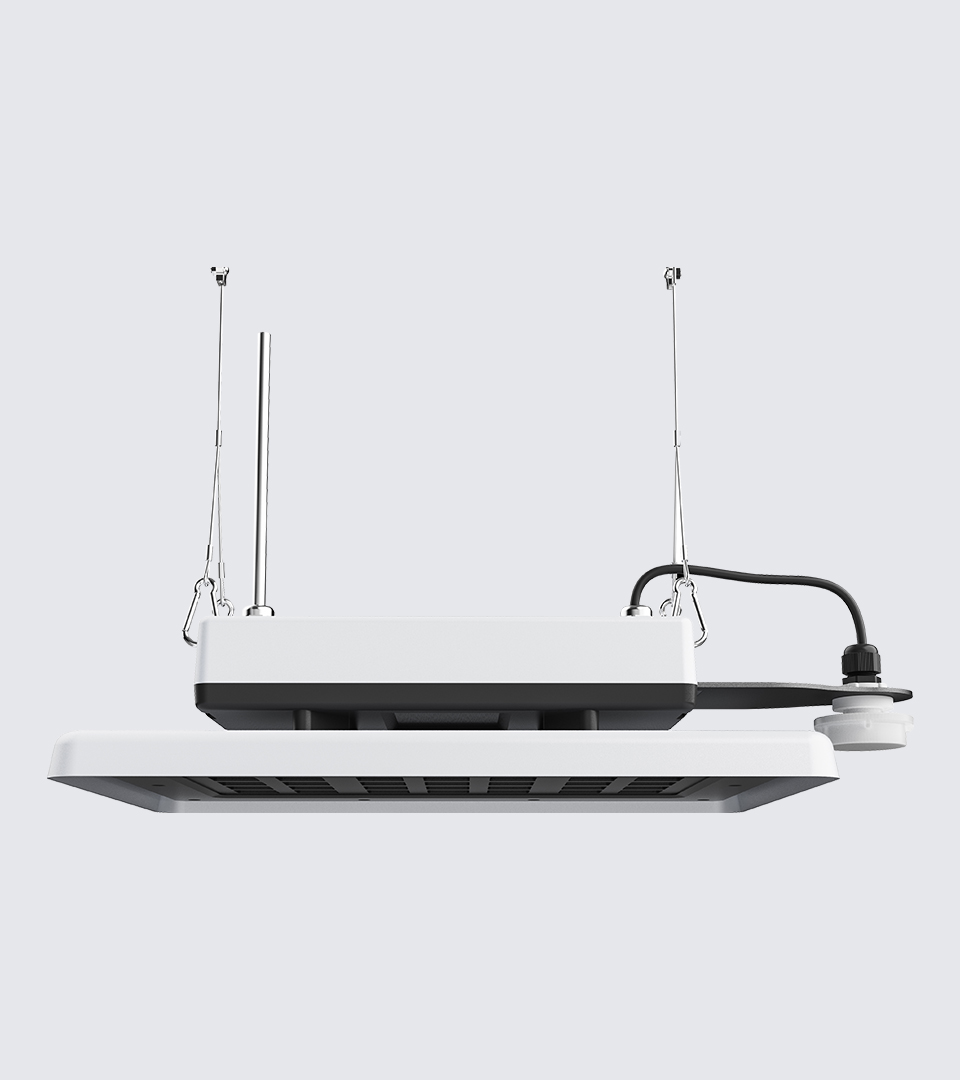
Relevant Standards & Codes
Data center lighting must comply with several standards and codes to ensure safety and efficiency. Key standards include:
- ASHRAE 90.1: Focuses on energy efficiency for building systems.
- IEEE: Addresses lighting and electrical systems for safety and operational efficiency.
- Uptime Institute: Establishes guidelines for data center reliability and infrastructure.
- Seismic Compliance: In earthquake-prone areas, seismic mounts are crucial for maintaining structural integrity.
These standards not only dictate installation but also the type of mounting systems that must be used in certain environments.
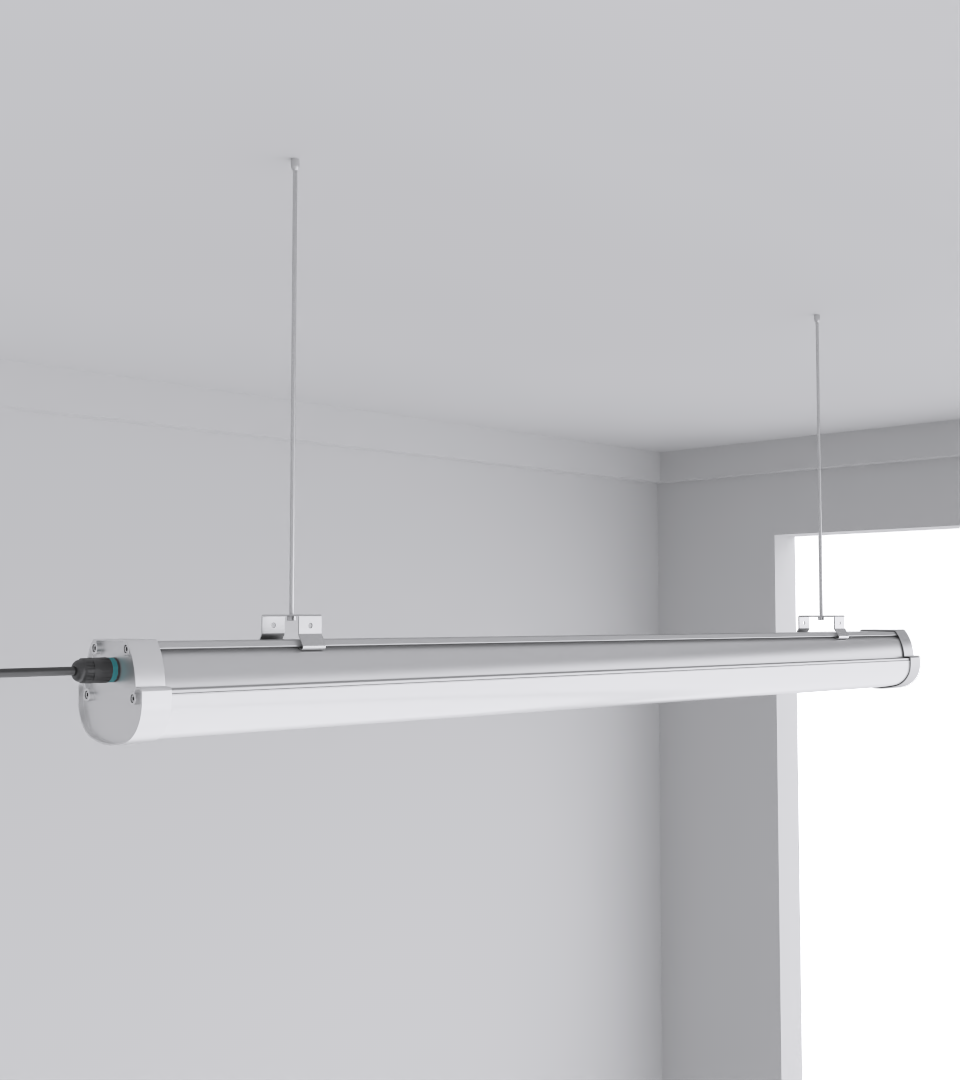
Lighting Layout—Aisle-Centric Arrangement
One of the critical factors in mounting LED fixtures in data centers is ensuring that light reaches the right places without creating shadows or uneven distribution.
- Aisle Alignment: Aligning lighting fixtures with server aisles ensures that there’s no interruption in light coverage.
- Lumen Targets: Calculating the required lumen output is essential to ensure that lighting supports both visibility and energy efficiency.
- Spacing: Proper spacing between fixtures prevents areas with insufficient light, ensuring the entire workspace is uniformly lit.
An aisle-centric layout not only helps in providing even illumination but also simplifies the maintenance of lighting systems.
Ceiling Types & Fixture Compatibility
Data center ceilings come in different configurations, and understanding how to mount LED fixtures in each scenario is vital:
- Drop-Ceiling Troffers: Typically used in low-height spaces, these fixtures are easy to install but may not be ideal for high-ceiling areas.
- Hard Ceilings: For more durable setups, hard ceilings offer better structural support for heavier fixtures.
- Steel/Structural Deck: When working with large-scale data centers, steel decks may be used to support suspended lighting systems.
Choosing the right fixture type based on the ceiling is essential for ensuring proper fixture placement and efficient energy use.
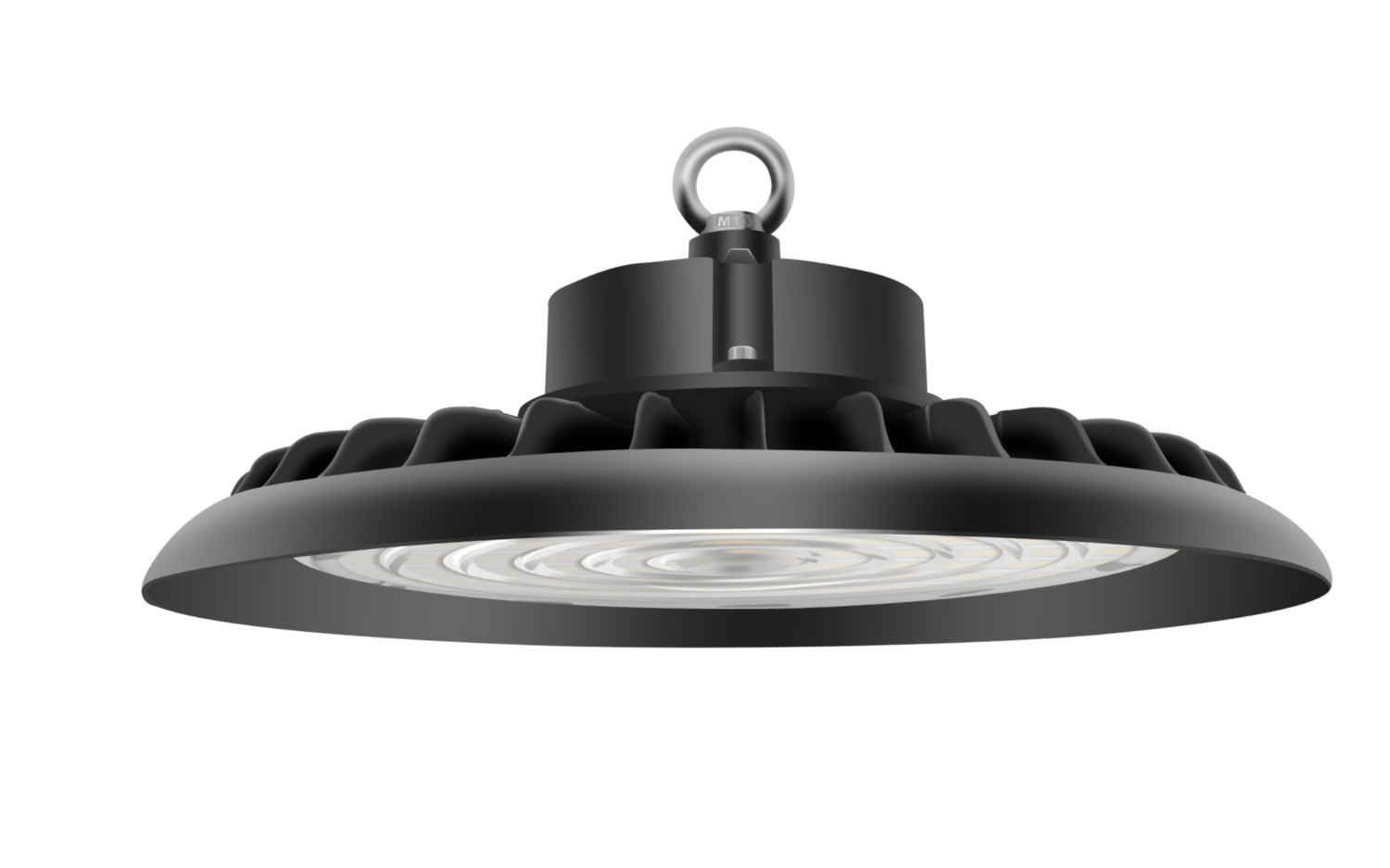
Suspension Mounting
In data centers with high ceilings, suspension mounting techniques are often the most effective solution.
- Rods, Chains, and Cables: These systems are flexible and allow for precise adjustments. They’re particularly useful for retrofitting existing data centers with new lighting solutions.
- Retrofit Applications: When access to the ceiling is limited, suspension mounting allows for easy retrofitting without requiring major structural changes.
This method works particularly well in large-scale facilities where ceiling height and accessibility are a concern.
Track & Rail Mounting
Track and rail mounting is ideal for continuous lighting systems in data centers. It provides:
- Flexibility: Allows for quick changes to the light layout as operational needs evolve.
- Integration with Cable Trays: Tracks can be aligned with cable trays, which reduces installation time and improves the overall efficiency of space usage.
This method is particularly useful in environments that require flexible lighting setups or frequent changes to the infrastructure.

Structural Loading & Support
In large data centers, the structural integrity of the mounting system is critical.
- Weight Distribution: LED fixtures must be installed with the proper weight distribution to avoid stressing the ceiling structure.
- Seismic Bracing: Seismic mounts or flexible couplings must be used in earthquake-prone regions to prevent damage during tremors.
Properly supporting the fixtures is essential for long-term reliability and safety.
Emergency Lighting & Egress Compliance
Ensuring that emergency lighting is correctly mounted is crucial for data center safety.
- Exit Lighting: Fixtures should be installed near exit routes and pathways to ensure that they illuminate in case of an emergency.
- Backup Power Systems: Emergency lighting must be wired to backup power sources to maintain functionality during power failures.
Compliance with fire and emergency egress codes is non-negotiable, and careful planning must be done to ensure proper lighting during emergencies.
FAQ
Q: Why is LED mounting in data centers different from regular commercial spaces?
A: Data centers require more specialized mounting due to high ceiling heights, integration with server racks, and the need for consistent, uniform lighting.
Q: What are the most common mounting techniques used in data centers?
A: Common methods include suspension mounting, track and rail mounting, and wall-mounted fixtures.
Q: How do seismic concerns affect LED mounting in data centers?
A: In earthquake-prone areas, seismic mounts and flexible couplings are necessary to secure fixtures and prevent damage during tremors.
Q: How can I improve the energy efficiency of LED fixtures in a data center?
A: Implementing smart controls, precise fixture placement, and integrating motion sensors can significantly reduce energy consumption.
Conclusion
Understanding the different mounting techniques for LED fixtures in data centers is essential for optimizing lighting performance and ensuring compliance with safety codes. Whether you’re retrofitting an old data center or installing a new facility, following best practices will enhance energy efficiency, improve lighting quality, and ensure long-term operational success.
