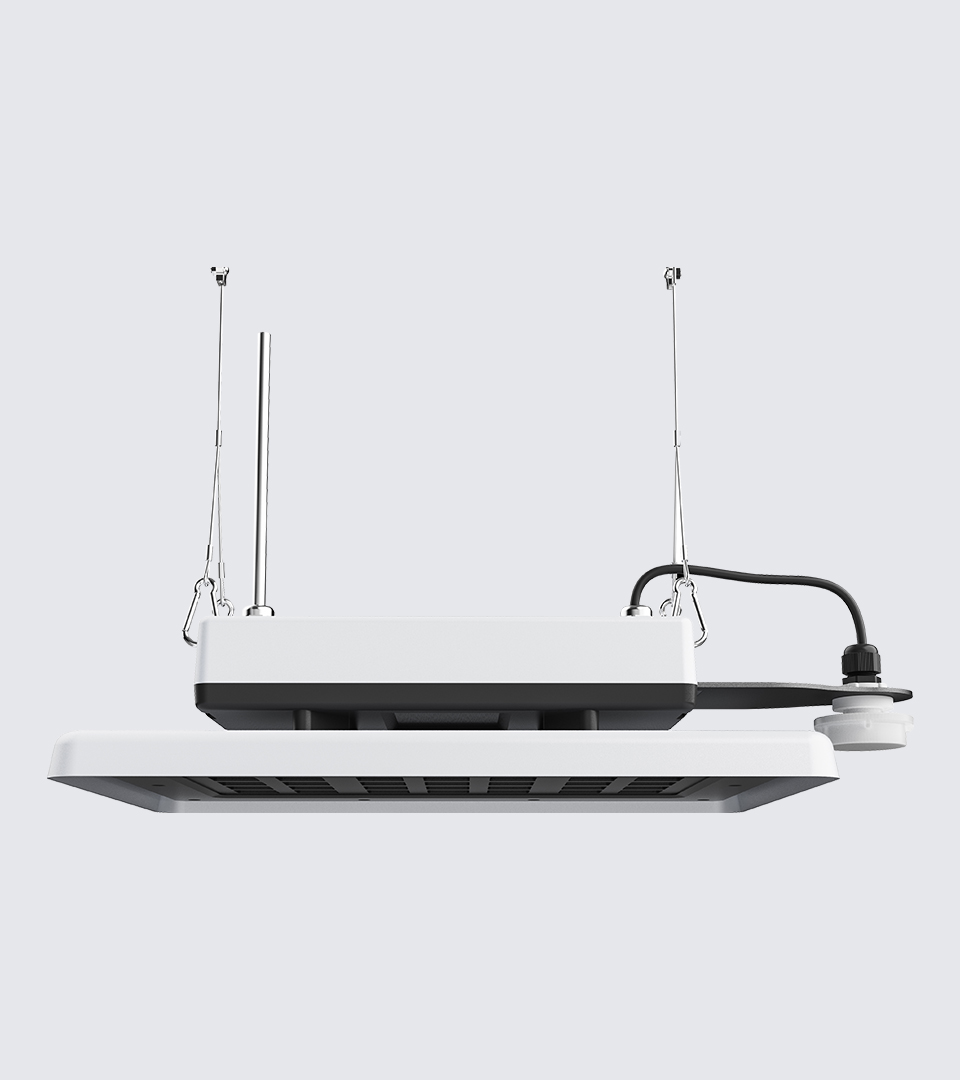
How Augmented Reality Is Transforming Data Center Lighting Design in 2025
Table of Contents
- 1. What Is AR Lighting Design in Data Centers?
- 2. Why It Matters Now
- 3. Core Benefits of AR-Driven Lighting Design
- 4. Essential Tools & Technologies
- 5. How It All Integrates
- 6. Field Cases: What’s Actually Working
- 7. Implementation Plan (Step-by-Step)
- 8. Frequently Asked Questions (FAQ)
- 9. Maintenance & Lifecycle Management
- 10. Budgeting & Funding AR-Integrated Projects
- 11. Glossary
Key Takeaways
| Feature or Topic | Summary |
|---|---|
| Real-Time Visualization | AR enables photometric simulations before installation, reducing layout errors |
| Workflow Efficiency | Seamless integration with BIM and DCIM systems improves speed and accuracy |
| Energy Optimization | Enables precise light placement and sensor tuning to reduce energy waste |
| Remote Maintenance | Staff can receive live visual guidance during servicing or audits |
| Error Reduction | Mounting and alignment errors are minimized with AR overlays |
What Is AR Lighting Design in Data Centers?
Augmented Reality (AR) for lighting design in data centers refers to using immersive technology to plan, visualize, and refine lighting systems with real-time, photometric accuracy.
- Overlays accurate lighting data onto physical environments
- Enables BIM and DCIM integration for full-cycle planning
- Useful from conceptual stages to final commissioning

Why It Matters Now
- Data center complexity demands precision lighting
- AR enables faster project turnaround and energy savings
- Improves visibility into dark rack corridors and service areas
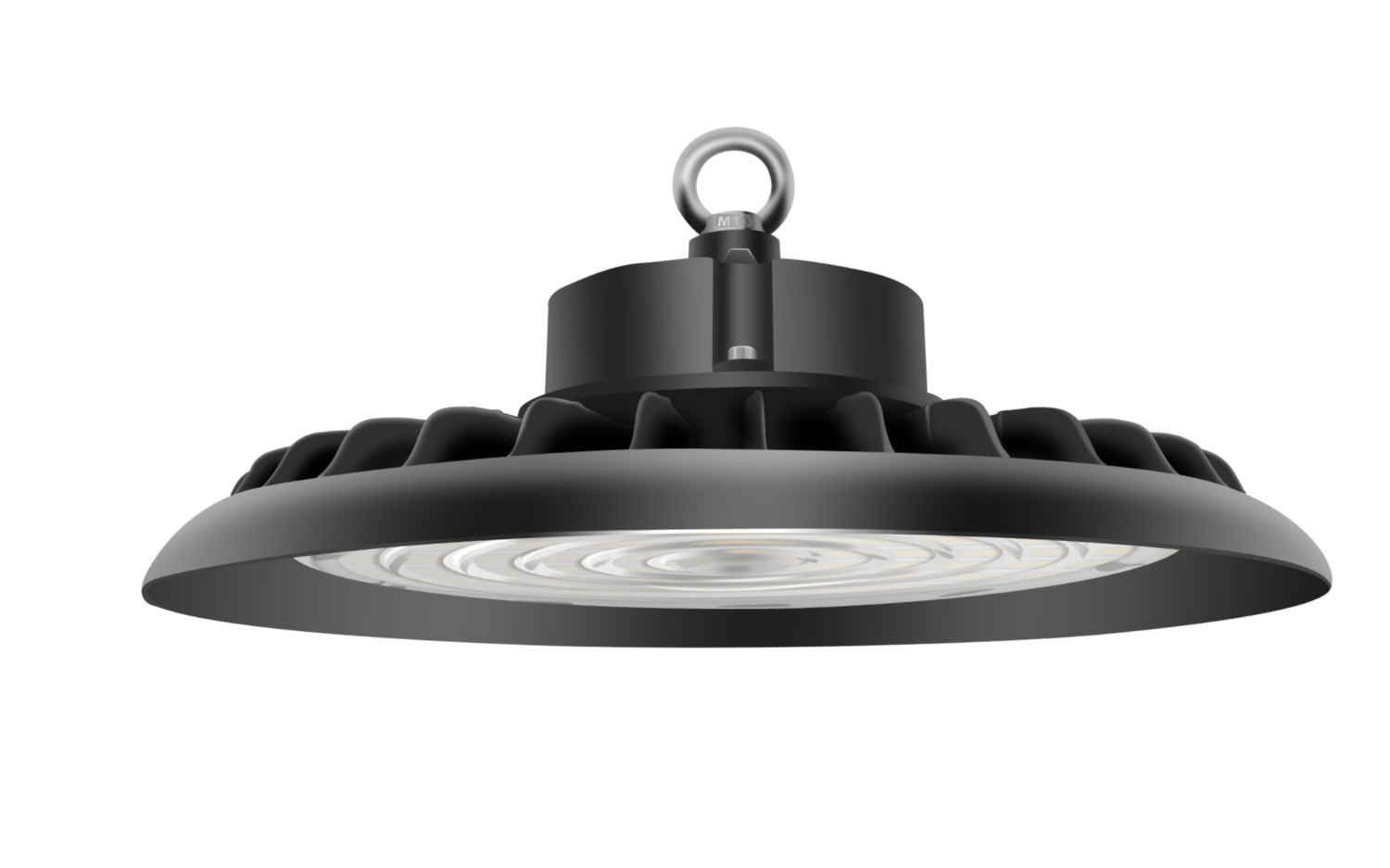
Core Benefits of AR-Driven Lighting Design
- Preview lighting outcomes before installation
- Remote team collaboration through shared AR models
- Reduces misalignment, rework, and onsite delays
- Instant commissioning with real-time lux overlays
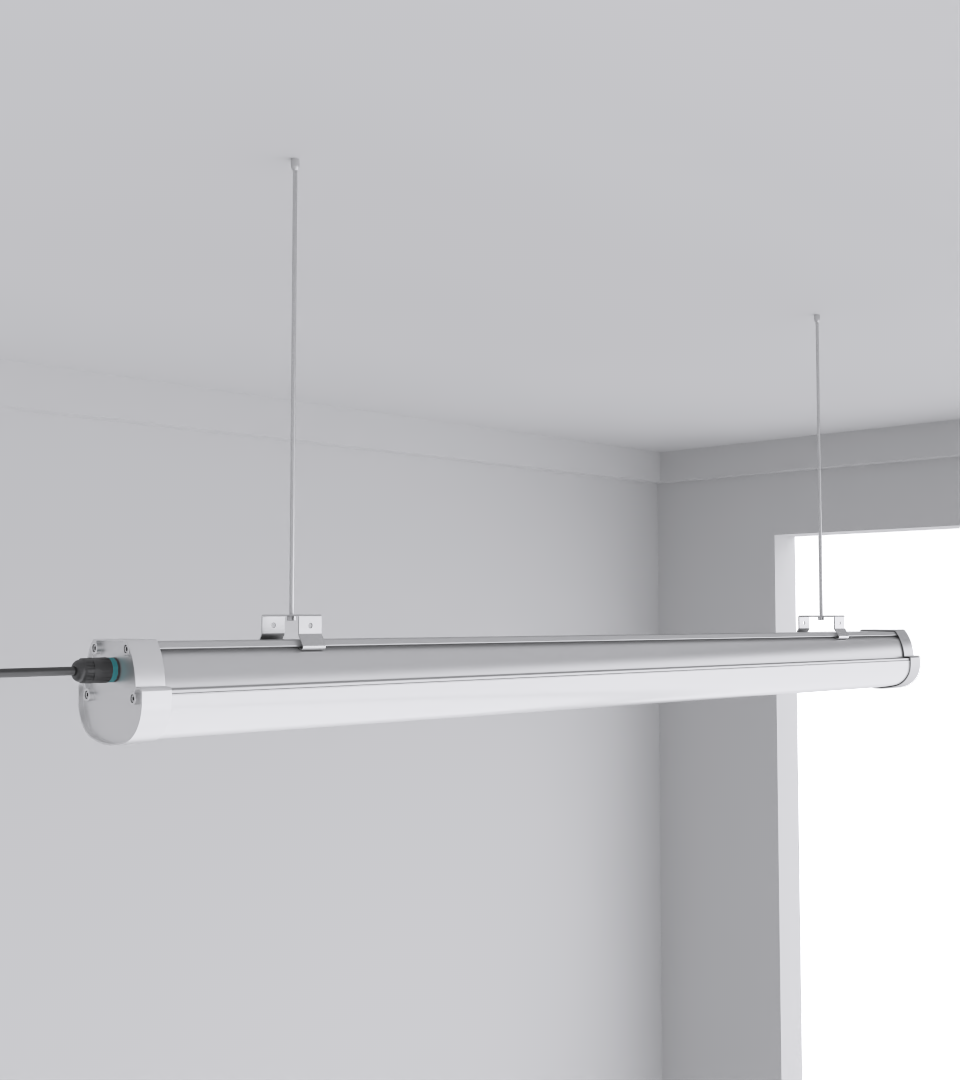
Essential Tools & Technologies
| Tool | Function |
|---|---|
| HoloLens 2 | Hands-free spatial alignment and installation guidance |
| XYZ Reality Atom | Construction-grade AR with 3–5 mm mounting accuracy |
| Light ARchitect | Photometric visualization of luminaires |
How It All Integrates
- AR interfaces with BIM models for layout visualization
- DCIM plugins connect lighting data to asset infrastructure
- Remote audits possible via headset recordings and AR logs

Field Cases: What’s Actually Working
- XYZ Reality: Reduced fixture errors in server aisles
- UMBOSS Holoinventory: Supports AR-tagged lighting inventory
- EkkoSense: Achieved 11% lighting energy reduction via AR + digital twin
- CAE Lighting: Squarebeam Elite deployed with mobile AR in Malaysia retrofit
Implementation Plan (Step-by-Step)
- Conduct needs audit using BIM/DCIM tools
- Select appropriate AR platform and compatible luminaires
- Run pilot program in a confined zone
- Iterate based on install reports and feedback
- Scale to full deployment with ongoing support
Frequently Asked Questions (FAQ)
Can AR simulate lighting before install?
Yes. Simulation apps and plugins allow live lighting previews in real scale.
What gear is required?
HoloLens 2 or mobile AR device, compatible software, and synced DCIM/BIM files.
What’s the ROI?
Payback is often within 6–12 months from saved labor and energy optimization.
Maintenance & Lifecycle Management
- Recalibrate lighting plans after hardware or layout changes
- Update AR overlays and simulations regularly
- Store records for compliance and maintenance logs
Budgeting & Funding AR-Integrated Projects
| Category | Estimated Cost (USD) |
|---|---|
| AR Hardware | $3,500–$4,500 |
| Software Licenses | $2,000–$5,000/year |
| Integration & Setup | $5,000–$10,000 |
Glossary
- AR: Augmented Reality
- BIM: Building Information Modeling
- DCIM: Data Center Infrastructure Management
- Photometry: Measurement of visible light
- Digital Twin: Real-time virtual counterpart of a physical system
- HMD: Head-Mounted Display
- Lux: Illuminance measurement (lumens/m²)