Data Centre Strategy 2025: Technical Guide to Power, Cooling, and Lighting Efficiency
- Why Lighting Belongs in Data Centre Strategy
- Aligning Strategy With Operational Outcomes
- Site Planning: Powered Land and Lighting Infrastructure
- Energy Efficiency and Compliance Metrics
- Cooling, Heat Load, and Lighting Integration
- Safety, Security, and Emergency Preparedness
- Scalability and Modular Growth
- Implementation Roadmap and Executive Oversight
- Frequently Asked Questions (FAQ)
Key Takeaways
| Feature or Topic | Summary |
|---|---|
| Lighting in Strategy | CAE Lighting solutions reduce cooling load, improve safety, and enhance efficiency. |
| Energy Efficiency | LEDs like Squarebeam Elite and Quattro Triproof Batten cut energy costs and meet compliance. |
| Scalability | Fixtures such as SeamLine Batten allow modular growth without redesigning halls. |
| Safety and Compliance | Emergency lighting and ISO-certified systems maintain safety standards. |
1. Why Lighting Belongs in Data Centre Strategy
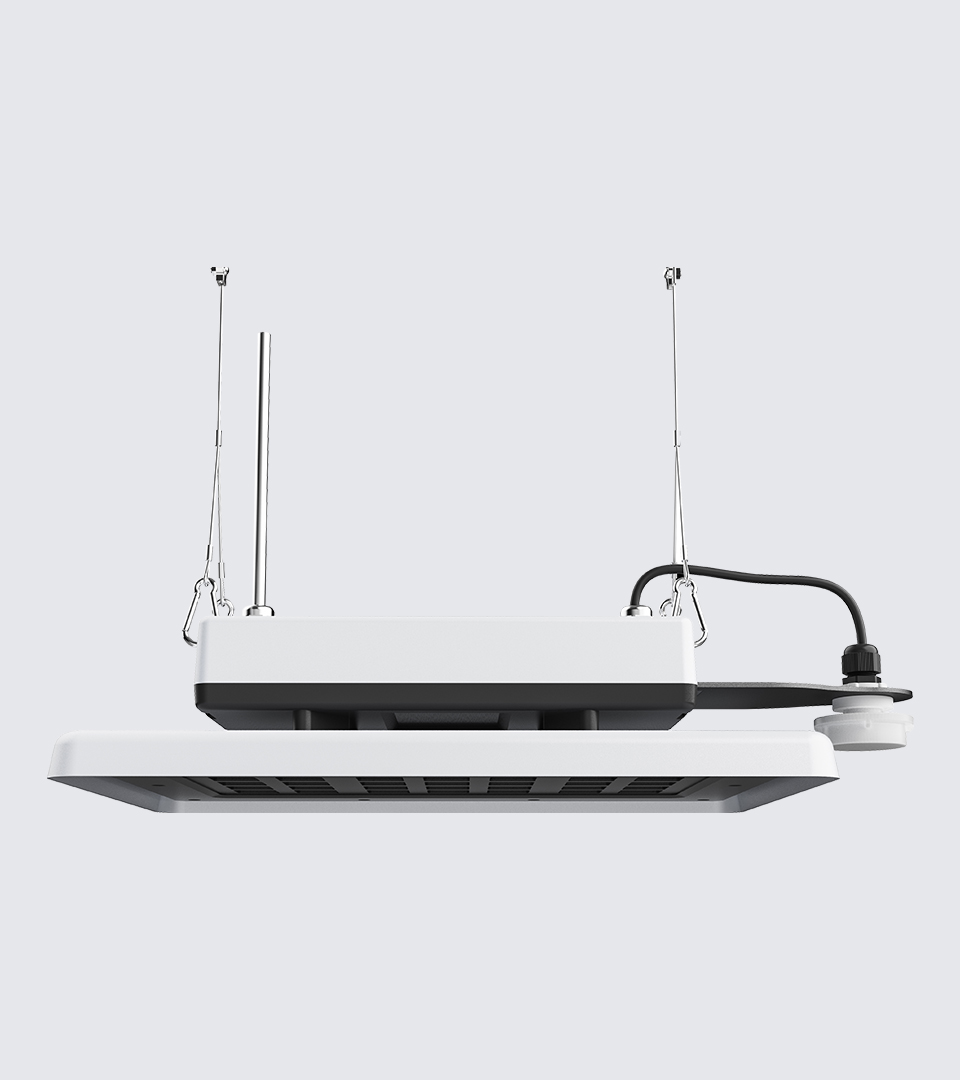
Every strategic framework for a data centre includes power, cooling, network, and compliance — but lighting is often relegated to “afterthought” status. That mistake leads to inefficiencies. In one project in Johor, inadequate fixture selection increased HVAC load by 7% because non-optimized luminaires expelled excess heat. With Squarebeam Elite, lighting integrates into the energy model from the start.
…
2. Aligning Strategy With Operational Outcomes
Lighting strategy must align with operational SLAs: uptime, worker safety, and compliance. For example, circadian lighting schedules in control rooms improve staff alertness during 12-hour shifts. CAE has deployed tunable luminaires that mimic daylight cycles, lowering fatigue-related errors.

…
3. Site Planning: Powered Land and Lighting Infrastructure
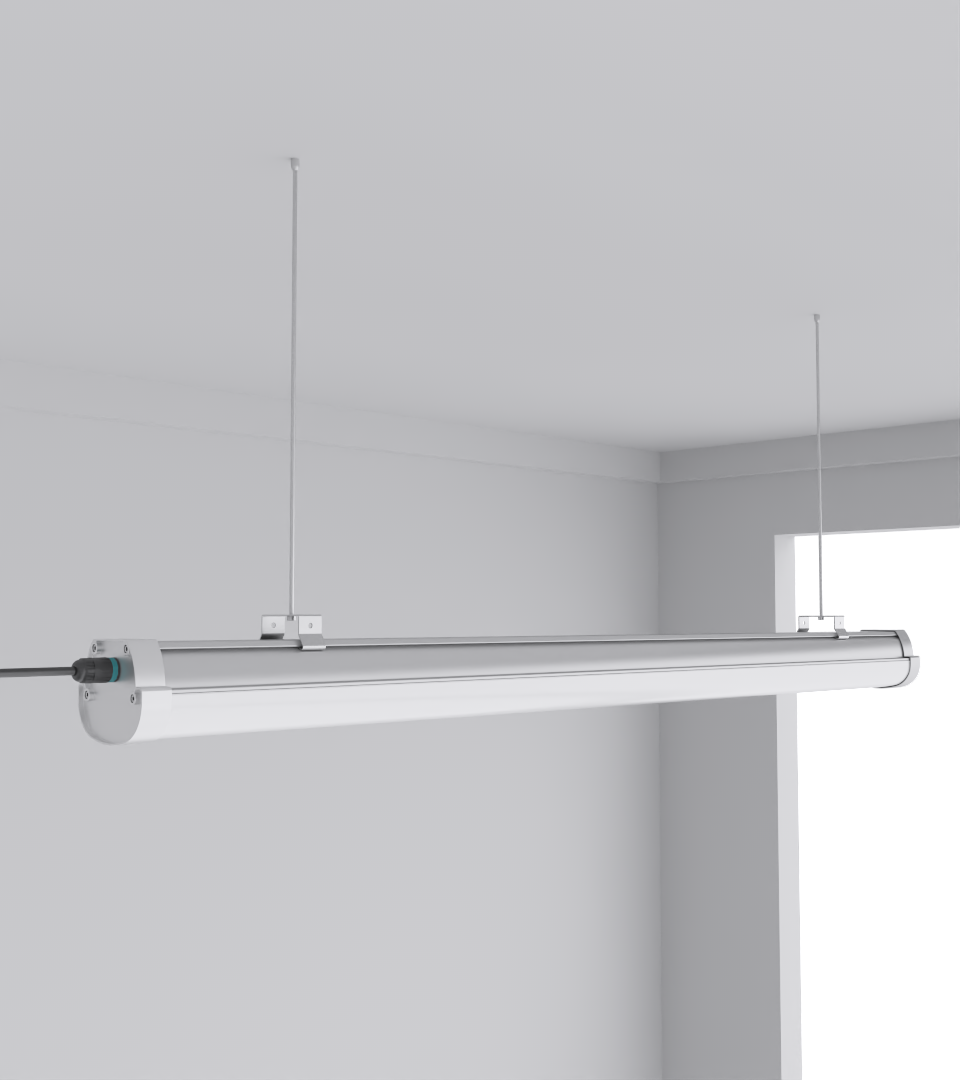
Most discussions on site selection centre on grid interconnects and cooling water availability. Yet lighting infrastructure can determine how quickly a site becomes operational. Pre-engineered battens and high bays cut installation time significantly.
…
4. Energy Efficiency and Compliance Metrics
Energy metrics such as PUE (Power Usage Effectiveness) and WUE (Water Usage Effectiveness) dominate executive dashboards. Lighting contributes directly to PUE. Using inefficient fixtures can skew efficiency ratings and raise operating expenses.
…
5. Cooling, Heat Load, and Lighting Integration
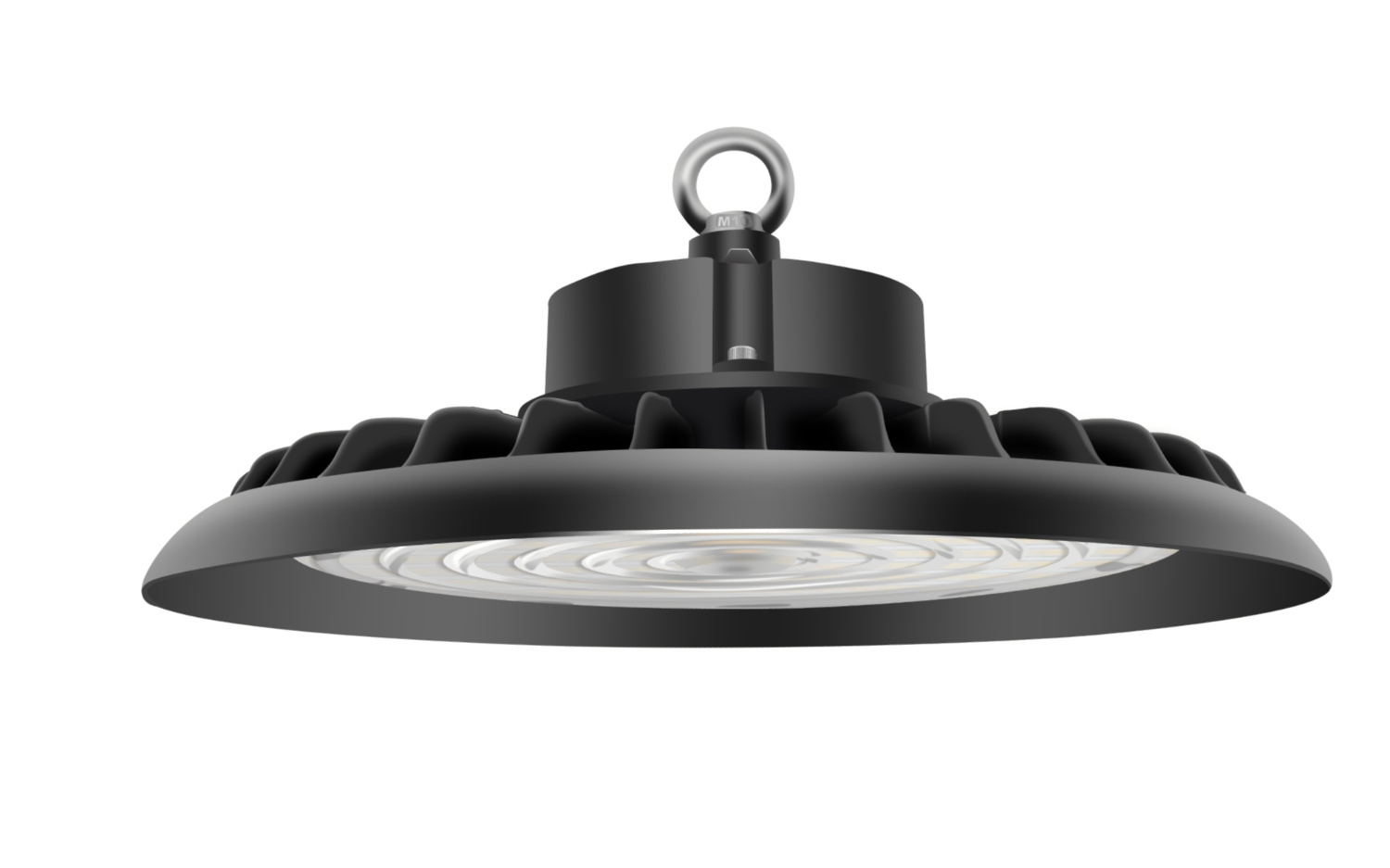
Every watt consumed by a fixture eventually turns into heat. In dense GPU clusters, lighting heat adds to the cooling burden. Field experience shows halogen replacements once increased rack inlet temperature by nearly 2°C. With LEDs like Squarebeam Elite, that risk is removed.

…
6. Safety, Security, and Emergency Preparedness
Lighting is central to evacuation routes, fire safety, and CCTV coverage. In audits, inspectors often flag missing redundancy in emergency lights. CAE’s luminaires integrate motion sensors for intrusion detection and quick illumination of access points.
…
7. Scalability and Modular Growth
Modern strategies demand modular expansion. Lighting must scale as whitespace converts into active data halls. Using uniform fixtures reduces procurement delays and installation errors.
…
8. Implementation Roadmap and Executive Oversight
A complete strategy ends with execution. Lighting should be tracked alongside power and cooling in project dashboards. Many executives overlook how fixture delays can stall commissioning.
…
Comprehensive Data Center Support: Monitoring, DCIM, and Energy-Efficient Infrastructure
–
- Defining Data Center Support
- Core Services Within Data Center Support
- In-House vs Colocation vs MSP Models
- SLAs, Runbooks, and Risk Reduction
- Monitoring Stacks and DCIM Integration
- Energy Efficiency and AI-Era Loads
- Security, Compliance, and Safety
- Building a Future-Ready Support Architecture
- Frequently Asked Questions (FAQ)
Key Takeaways
| Question | Quick Answer |
|---|---|
| What is data center support? | Services that ensure uptime, efficiency, safety, and monitoring of facilities and IT operations. |
| Why does lighting matter? | LEDs like Squarebeam Elite reduce energy load, improve visibility, and support compliance. |
| Who provides support? | In-house staff, colocation providers, or third-party managed service partners. |
| What tools are critical? | DCIM, ITSM, smart LED lighting, remote-hands, and robust SLAs with runbooks. |
Supporting a data center requires more than racks, power, and cooling—it’s an ecosystem of services, monitoring, and infrastructure choices. CAE Lighting, headquartered in Guangdong with operations across Asia, brings lighting expertise into this ecosystem by supplying industrial LED solutions tailored for modern data centers.
1. Defining Data Center Support
At its core, data center support includes facility maintenance, IT service coverage, monitoring, and rapid-response operations. It extends from power systems and cooling to the lighting fixtures above racks that influence both energy consumption and staff efficiency.
2. Core Services Within Data Center Support
A complete service catalog often includes remote hands, monitoring, IMACD (install/move/add/change/decommission), audits, and compliance. Lighting, often overlooked, is part of this ecosystem, and durable fixtures like the Quattro Triproof Batten serve reliably in harsh environments.
3. In-House vs Colocation vs MSP Models
Deciding between in-house, colocation, or managed service providers depends on scale, cost, and operational goals. Many operators prefer hybrid models. Lighting upgrades such as the SeamLine Batten are commonly deployed in colo setups for better efficiency.
4. SLAs, Runbooks, and Risk Reduction
SLAs define uptime expectations and escalation paths. Runbooks reduce downtime with pre-approved actions. In one real-world case, poor lighting IP rating delayed recovery during an outage, underscoring why support must include infrastructure choices.
5. Monitoring Stacks and DCIM Integration
Support depends on unified monitoring of power, cooling, IT, and lighting. Budget High Bay Lights integrate with DCIM systems to provide sensor-driven energy insights.
6. Energy Efficiency and AI-Era Loads
AI workloads increase density, cooling, and power needs. Lighting upgrades reduce unnecessary thermal loads. Squarebeam Elite fixtures help manage these challenges while keeping PUE ratios under control.
7. Security, Compliance, and Safety
Support operations must meet ISO 9001, ISO 14001, and ISO 45001 standards. Lighting data is increasingly used as part of compliance evidence, proving operational consistency during audits.
8. Building a Future-Ready Support Architecture
A robust plan combines staffing, DCIM integration, and LED upgrades. A 90-day rollout often begins with auditing power and cooling, replacing fixtures with SeamLine Battens, and aligning SLAs with infrastructure.
Frequently Asked Questions (FAQ)
What is included in data center support?
Facility maintenance, IT monitoring, incident response, lighting, power, and cooling.
Why is lighting important in support?
Efficient LEDs lower energy costs, reduce heat load, and ensure safety compliance.
Can lighting impact PUE?
Yes, high-efficiency fixtures improve Power Usage Effectiveness by lowering cooling demand.
Who manages lighting upgrades in a colo setup?
Providers handle shared spaces, while tenants co-fund or request upgrades for private areas.
Integrating Intelligent Lighting Controls with DCIM: Technical Guide for Data Centers (2025)
Key Takeaways
| Feature or Topic | Summary |
|---|---|
| Integration Benefits | Energy savings, streamlined operations, enhanced monitoring, and predictive maintenance. |
| Key Protocols | BACnet, Modbus, SNMP ensure interoperability. |
| Implementation Strategies | Assess existing infrastructure, select compatible systems, phased deployment recommended. |
| Operational Advantages | Reduced downtime, improved safety, occupant comfort, and significant sustainability contributions. |
Understanding Intelligent Lighting Controls
Intelligent lighting controls automate how fixtures operate, responding to occupancy, schedules, and environmental data. These systems allow facilities like data centers to reduce wasted energy and improve resilience during migration events. The controls integrate with broader facility monitoring tools, making lighting a dynamic part of operational safety and efficiency.
Overview of DCIM Software
Data Center Infrastructure Management (DCIM) software provides visibility into assets, racks, power, and cooling. When lighting controls are integrated, operators gain a unified platform to monitor critical systems. The result is faster troubleshooting, improved reporting, and streamlined capacity planning.
The Need for Integration
Standalone systems create data silos. Integrating intelligent lighting with DCIM eliminates blind spots. Operators can trace how lighting impacts cooling, energy use, and even physical security. During migrations, this visibility reduces downtime and enhances resilience.
Technical Aspects of Integration
Integration relies on common communication protocols: BACnet, Modbus, and SNMP. Lighting control systems transmit real-time data to the DCIM dashboard, enabling operators to correlate anomalies across systems. Correct configuration ensures interoperability and avoids misalignment.
Implementation Strategies
Successful integration follows staged deployment. Begin with an audit of existing infrastructure, select lighting controls compatible with the DCIM platform, and test integration in limited environments before full-scale rollout. Document dependencies and prepare rollback plans to mitigate risks.
Energy Efficiency and Sustainability
Lighting represents a significant operational load. Integration with DCIM allows data centers to reduce unnecessary usage, extending fixture lifespans and cutting power costs. Sustainability goals benefit from measurable efficiency improvements and lower carbon impact.
Operational Benefits
Integrated controls deliver benefits beyond energy savings. Operators gain predictive maintenance alerts, real-time fault detection, and reduced manual oversight. Occupant comfort and workplace safety also improve due to consistent illumination levels and proactive adjustments.
Challenges and Solutions
Challenges include protocol mismatches, legacy systems, and staff training gaps. Solutions focus on phased adoption, vendor collaboration, and extensive testing. Clear communication between IT, facilities, and contractors ensures smooth rollout.
Future Trends
Future integration will lean on AI-driven automation and digital twin modeling. These tools will optimize lighting performance alongside IT loads, enabling predictive management at scale. Data centers adopting these innovations will see gains in resiliency and energy performance.
Frequently Asked Questions (FAQ)
Q: Which protocols are best for integration?
A: BACnet, Modbus, and SNMP provide robust compatibility with most DCIM systems.
Q: How does integration reduce downtime?
A: Real-time monitoring and predictive maintenance alerts allow early intervention before failures cause outages.
Q: Is phased deployment necessary?
A: Yes, phased rollouts reduce risk, allowing operators to identify and resolve issues early.
Q: Can lighting integration improve sustainability?
A: Yes, measurable reductions in energy usage contribute directly to carbon reduction targets.