
How to Reduce Glare in Reflective Data Center Environments: Expert-Level Lighting Guide
–
Key Takeaways
| Insight | Application |
|---|---|
| Glare types | Distinguish discomfort vs disability glare for better fixture design |
| Reflectivity | Use matte racks, low-gloss tiles, and diffusers to reduce bounce |
| Measurement tools | UGR, lux meters, HDR cameras help quantify glare levels |
| Layout strategy | Avoid beam overlap and “hot zones” near server aisles |
| Smart controls | Dimming and motion sensors adjust brightness dynamically |
| Products to consider |
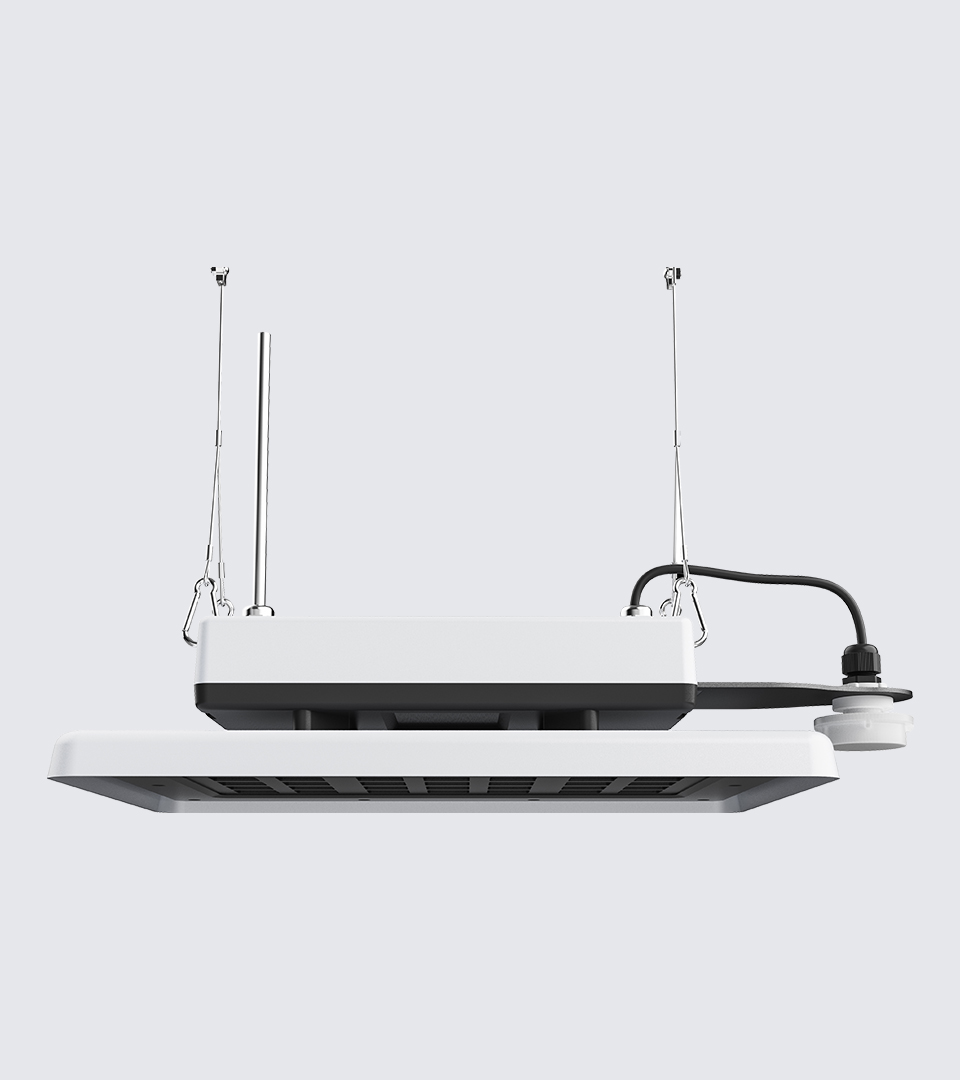
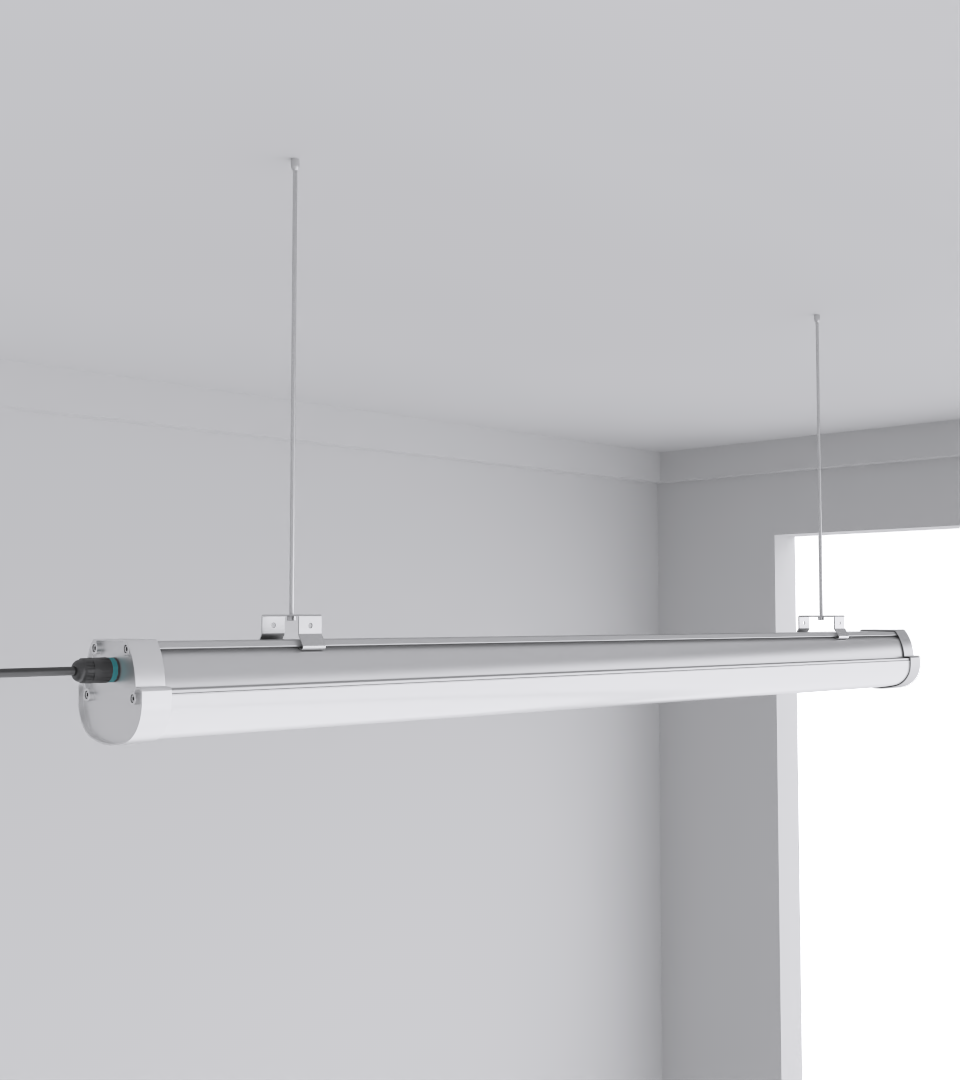
Squarebeam Elite, Quattro Triproof, SeamLine Batten |
1. Introduction
Server rooms aren’t just boxes with blinking lights—they’re full of shiny surfaces. Reflective rack doors, glossy tiles, polished ducting. Mix that with strong lighting, and you get glare.
Glare makes it harder to read screens, raises eye strain, and creates safety hazards when moving between aisles. In some centers, it even affects thermal camera accuracy.
If you think “glare” is just a comfort thing, think again. In a 2022 install for a colocation site in Penang, staff reported 18% fewer incidents of eye strain and fatigue once glare levels were addressed.
2. Understanding Glare
Discomfort glare: You’re not blinded, but you hate the lighting. Happens near reflective ceilings or poorly placed high bays.
Disability glare: You actually lose visibility. Light reflecting off brushed aluminum or glass-fronted server doors can cause this.
- Direct line of sight to fixtures
- Beam spillover across glossy racks
- Poor vertical uniformity
3. Measuring & Simulating Glare
- UGR (Unified Glare Rating): Ideal for calculating subjective glare
- Lux meter: Measures incident brightness
- HDR cameras: Capture luminance variations for detailed analysis
Simulation software: Dialux EVO, Relux, ElumTools + Revit, ML-based glare mapping via LiDAR scans
4. Surface Reflectivity
A lighting upgrade won’t fix anything if your racks are mirrored and your tiles are glassy.
- Rack finishes: Matte > brushed > mirrored
- Flooring: Anti-glare raised tiles reduce under-rack glow
- Ceilings: Avoid high-gloss white panels. Use textured acoustics
In Kuala Lumpur, replacing mirrored rack doors with matte powder-coats dropped glare by 36% across the aisle.

5. Fixture Selection
- 30–60° beam angles for aisles
- UGR < 19 for task-critical zones
- Diffused lenses and prismatic optics
- Fixtures like Squarebeam Elite and Quattro Triproof help reduce glare
6. Layout Design
- Align luminaires parallel to aisles
- Avoid over-illumination (ideal 300–500 lux)
- Use staggered beam layout to minimize axial reflections
7. Smart Control
- Motion sensors and occupancy logic
- Daylight harvesting (where applicable)
- Tunable white LEDs for circadian alignment
8. Maintenance
- Clean fixtures quarterly
- Recalibrate sensors yearly
- Replace cracked diffusers immediately
FAQs
Is UGR the only glare metric that matters? No. DGI and contrast ratios are also important.
Can glare be simulated before installation? Yes. Dialux, Relux, and BIM tools support it.
Are diffusers enough to eliminate glare? They help, but layout and surface reflectivity matter more.
Do smart sensors reduce glare? Indirectly—they reduce excessive brightness where not needed.