Data Center Power Design Guide: Redundancy, PUE Optimization, and Emergency Lighting Integration
–
- Defining Data Center Power Systems (and Why Lighting Matters Here)
- Global and Site-Level Power Demand Trends
- The Power Distribution Path: Utility to Rack
- UPS, Energy Storage, and Lighting Loads
- Generator Sizing, Redundancy, and Lighting Continuity
- Power Quality, Grounding, and Safety
- PUE, Codes, and Lighting Efficiency
- Monitoring, Maintenance, and Lifecycle Planning
- Frequently Asked Questions (FAQ)
Key Takeaways
| Question | Short Answer |
|---|---|
| What is “data center power”? | The complete chain from utility connection to the IT rack, including distribution, backup, and monitoring. |
| How does lighting fit into the load? | Typically 3–5% of total facility load, but strategically important for safety, compliance, and PUE. |
| What role does CAE Lighting play? | Provides high-efficiency LED luminaires (e.g., Squarebeam Elite, Quattro Triproof Batten) that integrate into both normal and emergency power circuits. |
| How does PUE factor in? | Lower lighting energy improves PUE scores; LED retrofits can yield measurable efficiency gains. |
| How are lighting systems backed up? | Connected to UPS or generator-backed panels to ensure egress lighting during outages. |
| What codes apply? | NEC Article 645, ASHRAE 90.4, TIA-942 redundancy mapping, and local building/emergency lighting codes. |
| How should lighting be monitored? | Through branch-circuit metering or DCIM integration for preventive maintenance and energy tracking. |
1. Defining Data Center Power Systems (and Why Lighting Matters Here)
Data center power isn’t a single piece of equipment — it’s an architecture. It begins at the utility service point, flows through medium-voltage switchgear, transformers, uninterruptible power supplies (UPS), distribution panels, and finally arrives at IT loads. Alongside servers, cooling, and network gear, lighting is a consistent but often underestimated load.
In most large facilities, lighting consumes 3–5% of total electrical demand. That may seem small, but in a 50 MW hyperscale facility, it’s equivalent to powering hundreds of homes. More importantly, lighting impacts safety compliance, emergency egress capability, and operational efficiency.
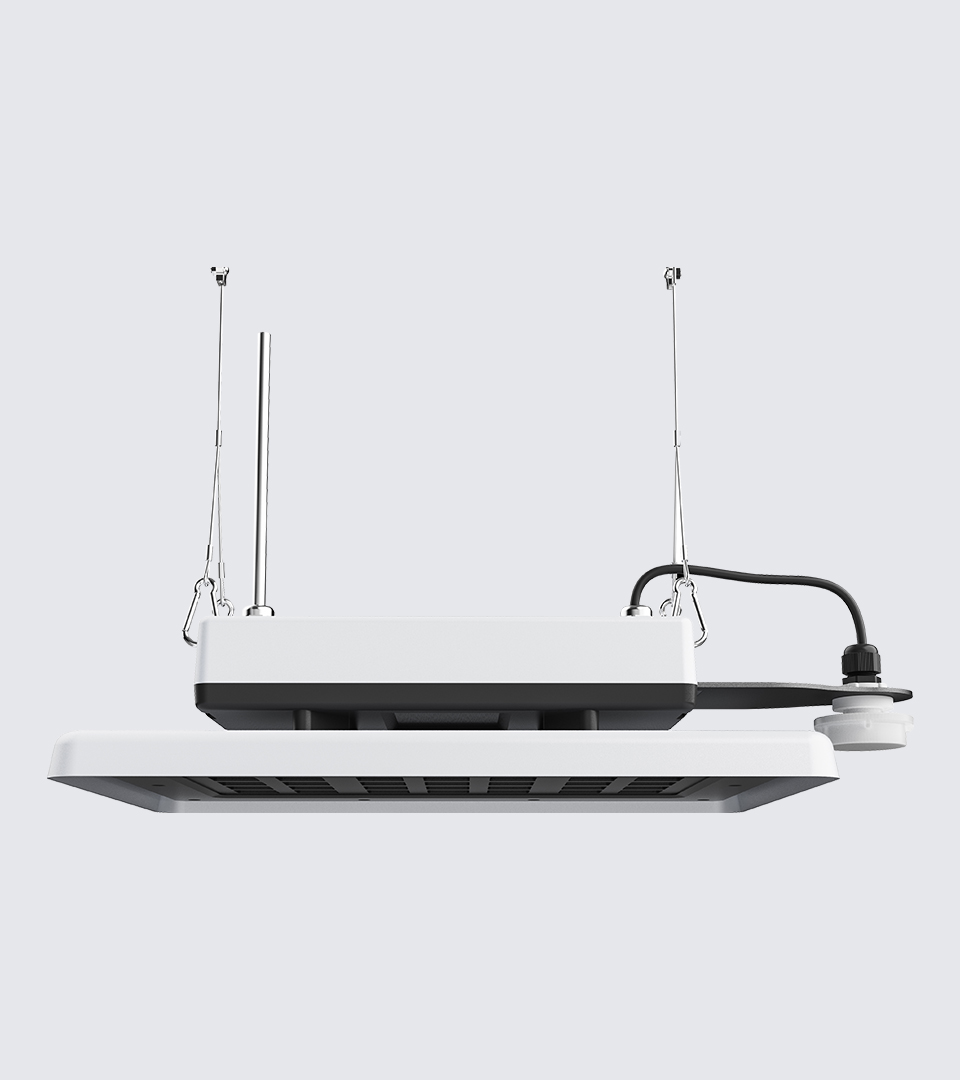
Example from practice: In a Johor data hall retrofit, we replaced outdated fluorescent fixtures with Squarebeam Elite LED battens. The result was a 62% drop in lighting energy use and improved uniformity across cold aisles.
2. Global and Site-Level Power Demand Trends
The International Energy Agency projects that global data center electricity demand will nearly double to ~945 TWh by 2030, with AI driving much of that growth. Higher rack densities — from a typical 7–9 kW up to 50+ kW in AI clusters — require more robust power distribution.
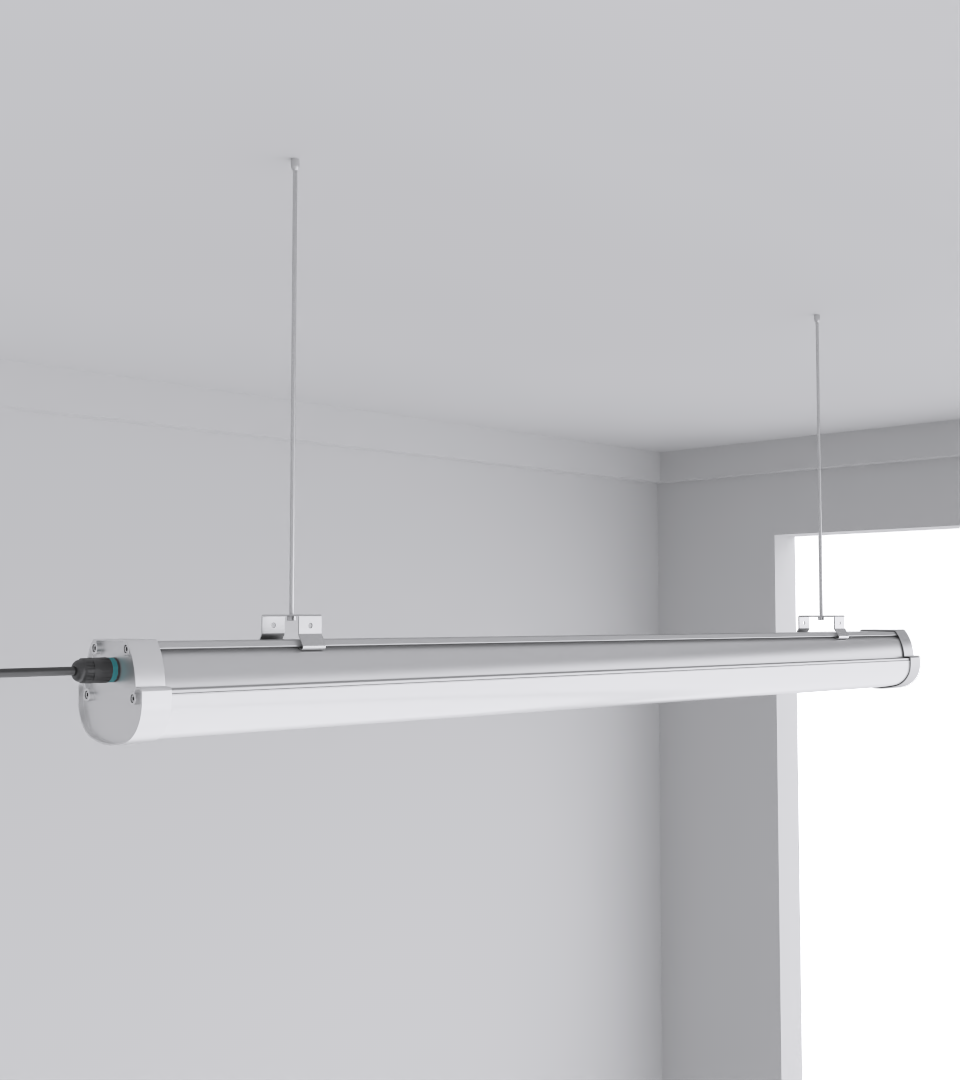
Lighting demand doesn’t scale in the same way, but efficiency still matters. High-performance LEDs, such as the Quattro Triproof Batten, keep lighting loads low, freeing capacity for critical IT equipment.
3. The Power Distribution Path: Utility to Rack
Power flows through a structured sequence:
- Utility Service Entrance — Medium-voltage feed, often dual-fed for redundancy.
- MV Switchgear — Protective relays, main breakers, and metering.
- Step-down Transformers — From 13.8–34.5 kV to 480/415 V.
- UPS Systems — Double-conversion, rotary, or modular units.
- Power Distribution Units (PDUs) and Remote Power Panels (RPPs).
- Busway or Cable Trays — Deliver power to IT and support loads.
- Branch Circuits — Feed rPDUs, CRACs, and lighting panels.
Lighting panels often branch from non-critical panels in standard mode, but critical emergency fixtures (like the SeamLine Batten) are connected to UPS or generator-backed circuits.

4. UPS, Energy Storage, and Lighting Loads
UPS systems protect against short-term outages and provide ride-through to generators. When designing UPS capacity:
- Lighting load in UPS calculations: Only emergency lighting circuits should be backed by UPS to preserve battery runtime for critical IT loads.
- Typical emergency lighting autonomy: 90 minutes per NFPA 101.
- LED fixtures like Quattro Triproof Batten reduce UPS strain because of low wattage.
5. Generator Sizing, Redundancy, and Lighting Continuity
Generators carry the load after UPS discharge, often for hours or days. Lighting integration points:
- Egress lighting: Always tied to generator circuits.
- Maintenance lighting in mechanical/electrical rooms: Essential for safe generator service during outages.
- Example: In a Kuala Lumpur colocation facility, all Squarebeam Elite fixtures in corridors were generator-backed, ensuring safe movement during a 12-hour utility outage.
6. Power Quality, Grounding, and Safety
Lighting interacts with power quality more than many think. Poor harmonic filtering can cause LED drivers to fail prematurely. Proper grounding and bonding also ensure touch voltage safety in metal fixtures.
Arc-flash safety applies here too — lighting panels require proper labeling and PPE protocols under NEC Article 645.

7. PUE, Codes, and Lighting Efficiency
Lighting energy use directly impacts Power Usage Effectiveness (PUE). Efficient LEDs can help reduce PUE toward Tier III/IV design targets.
Applicable Standards:
- ASHRAE 90.4 — Sets lighting power density limits.
- TIA-942 — Defines redundancy requirements.
- NEC — Governs wiring methods and safety.
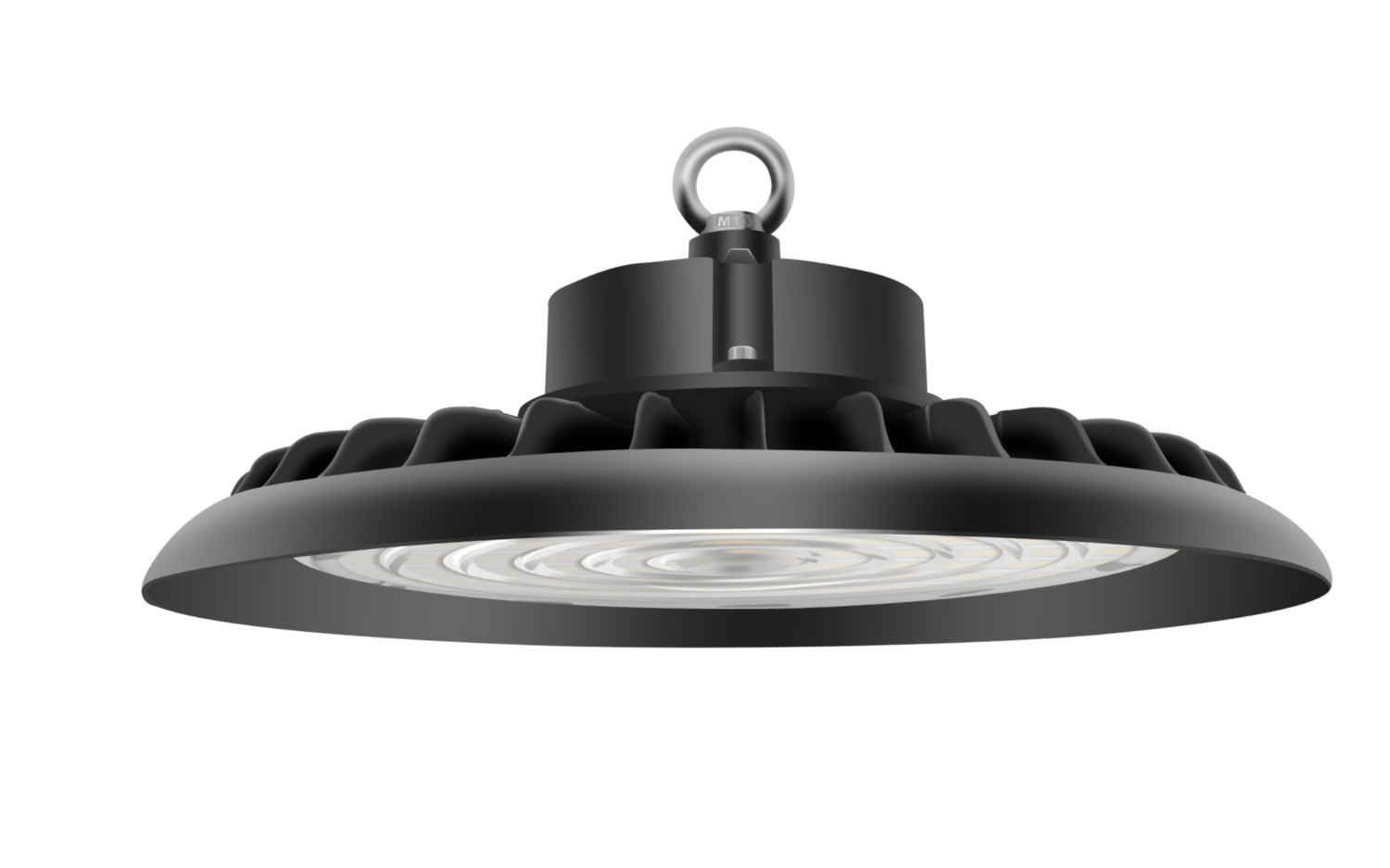
Upgrading to fixtures like the Budget High Bay Light in high-bay data hall spaces not only improves visibility but also cuts energy consumption.
8. Monitoring, Maintenance, and Lifecycle Planning
Lighting circuits should be included in branch-circuit metering and DCIM platforms. This allows:
- Tracking kWh usage for PUE/CUE reporting.
- Early detection of driver failures.
- Coordinating lighting replacement cycles with other electrical maintenance.
Preventive Maintenance Tips:
- Inspect lighting panels quarterly.
- IR scan connections annually.
- Replace driver units proactively after 50,000–60,000 hours.
Frequently Asked Questions (FAQ)
Q1: Should all lighting in a data center be on UPS?
No — only emergency egress and critical safety lighting should be UPS-backed to preserve runtime for IT loads.
Q2: How much can LED lighting improve PUE?
Typically 0.01–0.02 reduction in PUE for large facilities, depending on baseline efficiency.
Q3: Which CAE fixtures are best for emergency backup circuits?
Squarebeam Elite and SeamLine Batten due to low power draw and high lumen output.
Q4: How often should lighting be inspected in a data center?
Visual checks monthly, detailed inspections quarterly, and driver/lamp replacements per rated lifecycle hours.