

How to Eliminate Light Shadow Zones in Data Centers: Fixture Layouts, Simulation Tools, and Compliance Tactics
- What Are Light Shadow Zones and Why They Matter
- Root Causes of Light Shadow Zones
- Lighting Layouts That Actually Work
- Reflectance & Color Temperature Impact
- Simulating Shadows Before Installation
- Sensor Control and Adaptive Response
- Compliance, Audits, and Maintenance
- Conclusion: Fix the Shadows, Fix the Facility
- FAQs
Key Takeaways
| Feature or Topic | Summary |
|---|---|
| Shadow zones | Reduce visibility, compromise safety, increase maintenance time. |
| Fixture layout | Use linear LED battens at 2.4–3.0 m spacing, add verticals where needed. |
| Reflective surfaces | Light walls and cabinets improve lux levels and reduce shadowing. |
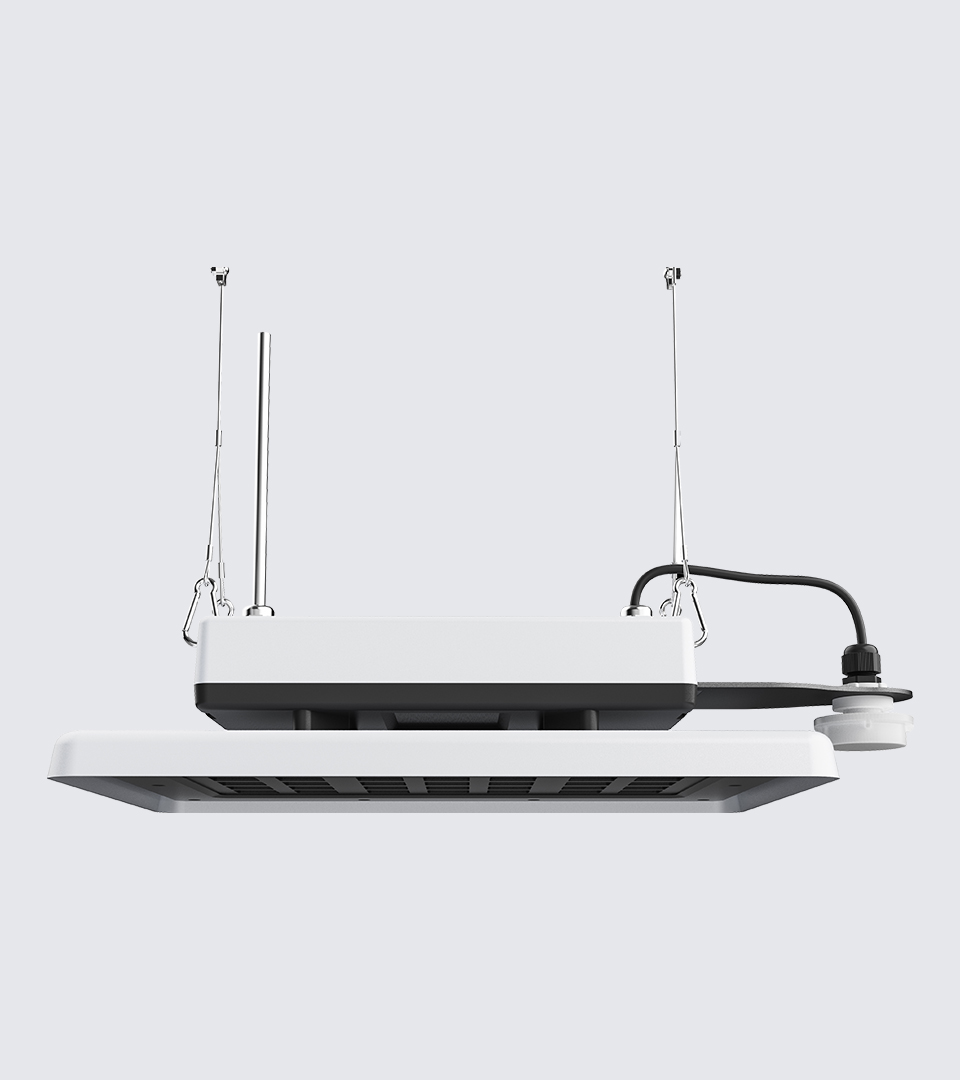
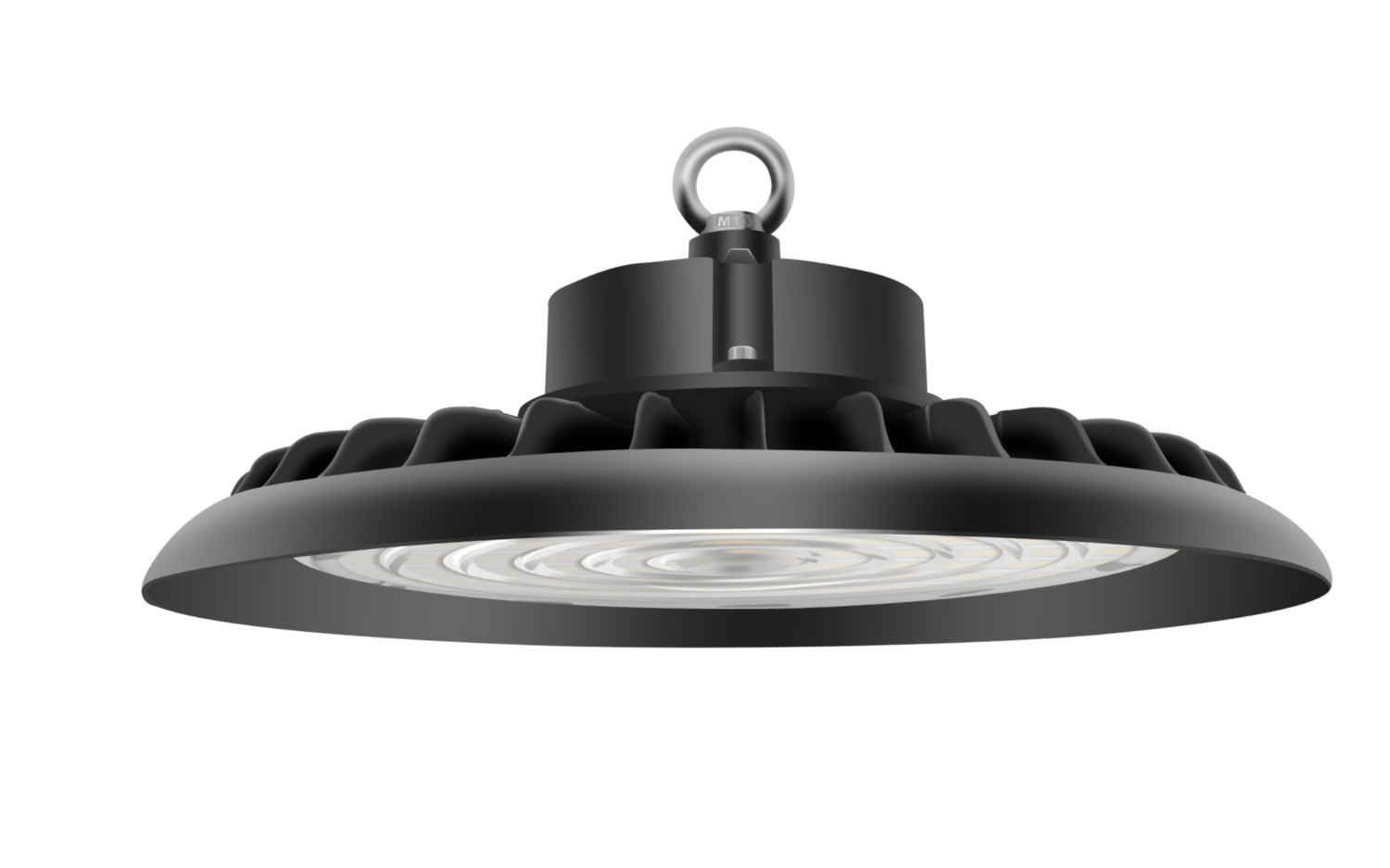
| CAE Fixtures | Squarebeam Elite, SeamLine Batten, Quattro Triproof Batten. |
1. What Are Light Shadow Zones and Why They Matter
Shadow zones in data centers are localized dark patches—usually formed by rack shadows, duct obstructions, or poor luminaire layout. They’re not just annoying—they’re dangerous.
- Trip hazards from unseen cables
- Incorrect labeling or cabling due to poor visibility
- Delayed maintenance from mislocated ports
2. Root Causes of Light Shadow Zones
- Tall server racks (42U+): Cast long shadows unless lighting is properly elevated
- Overhead-only lighting: Doesn’t reach mid and lower rack surfaces
- Black cabinets and walls: Absorb light like a sponge
- Poor luminaire spacing: Too wide and you’ve got blackout valleys
- Low ceiling clearance: Less beam spread = more shadows

3. Lighting Layouts That Actually Work
Combine vertical and horizontal lighting planes:
- Linear LED battens overhead on 2.4–3.0 m centers
- Aisle-mount verticals for rack faces
- Wall or rack-arm lights for dead spots
| Product | Use Case | Link |
|---|---|---|
| SeamLine Batten | Overhead general lighting | Link |
| Squarebeam Elite | Wide uniform rack illumination | Link |
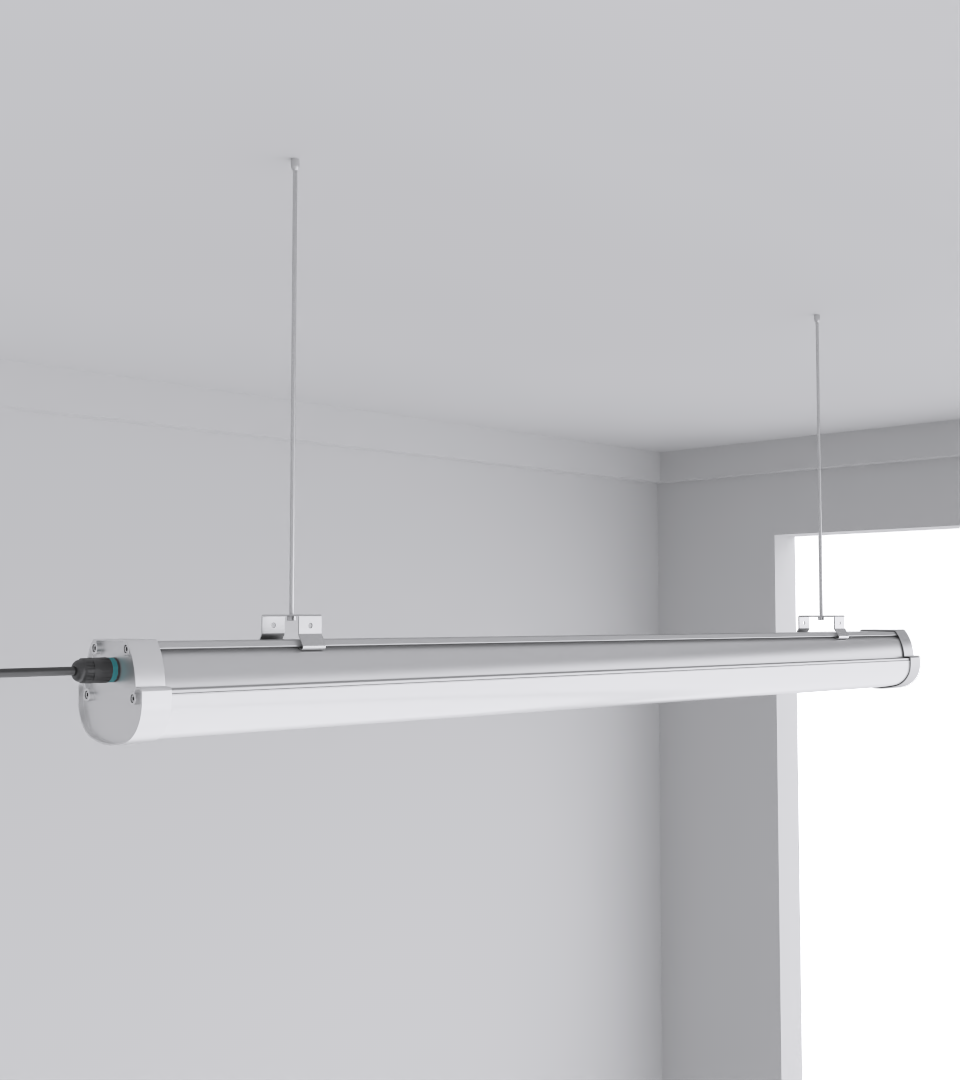
| Quattro Triproof Batten | Waterproof, impact-resistant zones | Link |

4. Reflectance & Color Temperature Impact
- Walls/floors/cabinets: go light gray or white
- Color temp: 4000–5000 K is ideal for tech visibility
- CRI >80: needed to differentiate cable colors
5. Simulating Shadows Before Installation
- Model rack dimensions
- Simulate beam spread and shadows
- Run lux analysis at floor and rack levels
- Export for audits or BOM
6. Sensor Control and Adaptive Response
- Occupancy sensors in aisle zones
- Daylight harvesting for edge corridors
- Predictive motion profiles in smart systems
- IoT controls with maintenance override
7. Compliance, Audits, and Maintenance
- Lux meter checks quarterly
- Fixture cleaning logs
- Annual relighting/replacement schedule
- Shadow zone reports for BMS logs
8. Conclusion: Fix the Shadows, Fix the Facility
Eliminating light shadow zones in data centers isn’t a luxury—it’s part of doing the job right. Shadow equals risk, delay, inefficiency.
Want to see what proper light uniformity looks like? Explore CAE Lighting’s full range and start with a trial zone. Try the Squarebeam Elite in your core aisle and check the difference on camera clarity and downtime.
FAQs
What is a light shadow zone in a data center?
A dark area caused by improper light placement, equipment obstruction, or reflectance issues.
Do I need vertical lighting as well as overhead?
If you have 2m+ racks, yes. Overhead alone will miss most ports.
Can sensors prevent shadows?
Indirectly—by triggering more uniform coverage in zones that are otherwise unlit.
What lux levels are ideal?
300–500 lx for general areas, 500–750 lx for technical aisles, and 100–200 lx for corridors.
Can I simulate shadows before installing lights?
Yes—tools like DIALux let you model and predict dark spots based on rack layout and luminaire choice.