
Data Center Lighting Carbon Reduction: PUE Optimization, LED Retrofits, and Sensor-Control Strategies
Table of Contents
- Why Lighting Matters in Data Center Carbon Footprint
- Measuring the Carbon Impact of Lighting
- Lifecycle Emissions of Lighting Fixtures
- LED Retrofits: Big Gains, Small Budget
- Sensor-Based Lighting Control
- Controls, Dashboards, and Integration
- Carbon ROI: Costs, Savings, and Payback
- From Audit to Execution: Your Implementation Roadmap
- FAQ
Key Takeaways
| Feature or Topic | Summary |
|---|---|
| PUE/CUE Impact | Lighting, though only 1–5% of energy use, can skew PUE if poorly managed |
| Carbon Emissions | Scope 2 emissions dominate lighting’s carbon profile in data centers |
| Retrofit ROI | LED retrofits typically pay back within 1.5–3 years with lower OpEx |
| Sensor Zoning | Motion and daylight sensors reduce active lighting hours significantly |
| Lifecycle Emissions | Embodied carbon in fixtures matters: choose recyclable materials |
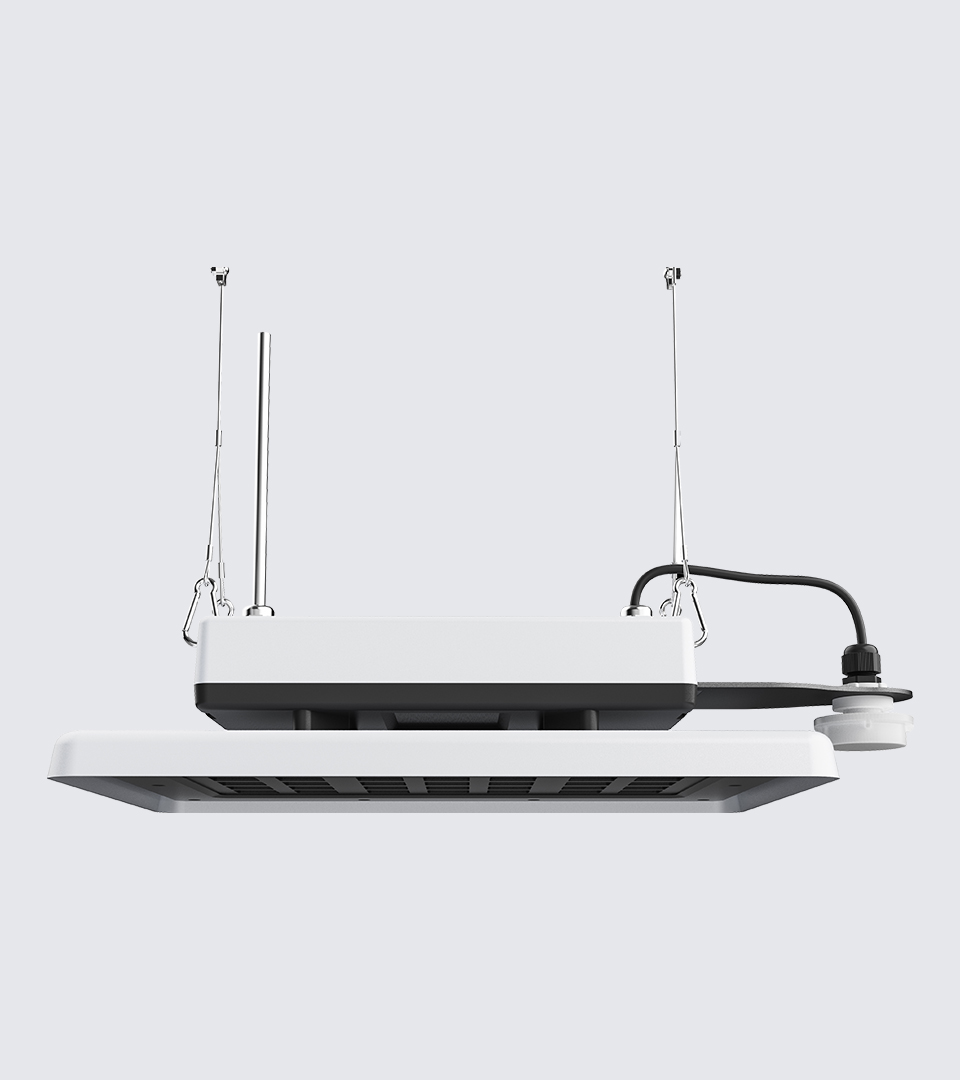
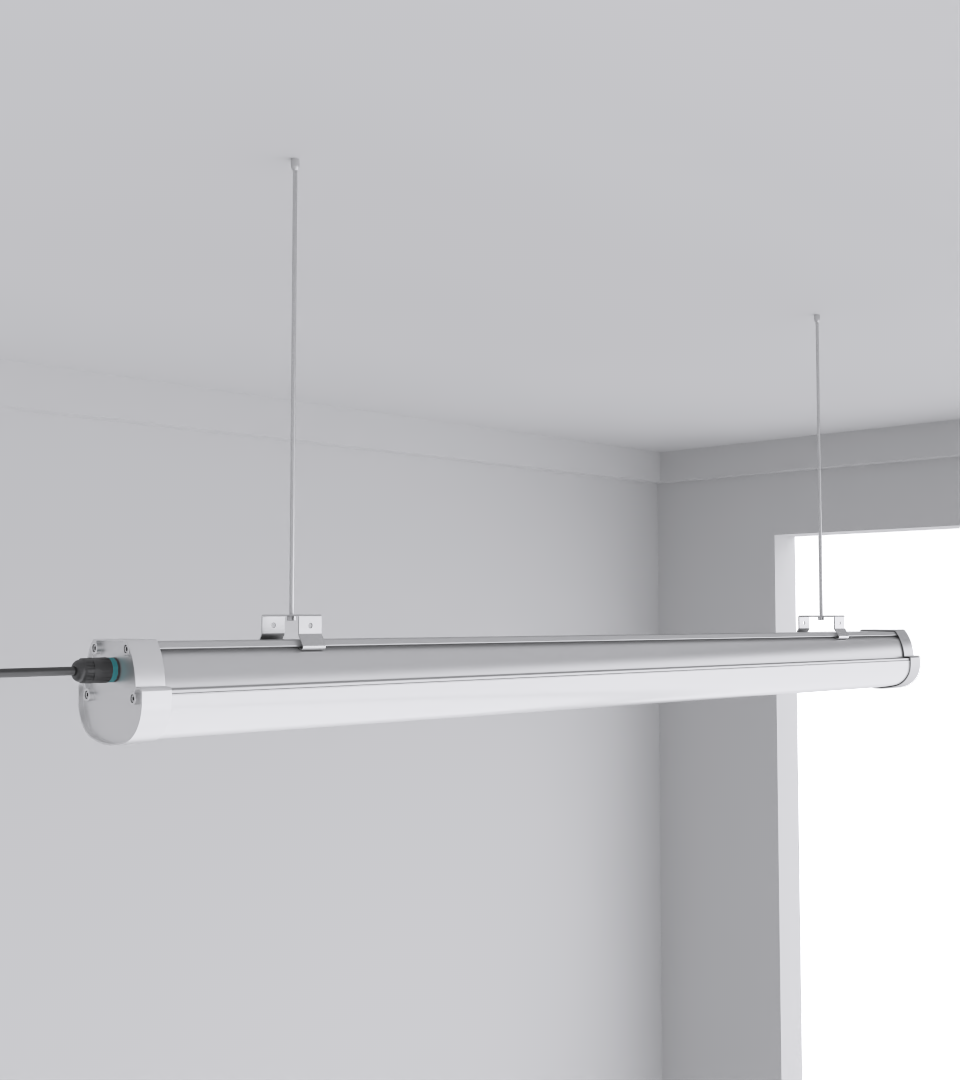
| CAE Lighting Solutions | Products like Squarebeam Elite and Quattro Triproof Batten offer advanced energy savings |
1. Why Lighting Matters in Data Center Carbon Footprint
Lighting usually accounts for just 1–5% of total energy use in a well-run data center, but:
- It’s almost all Scope 2 CO₂e (grid electricity)
- Poor fixture design adds waste heat → more HVAC load
- Inefficient zoning means lights run when not needed
2. Measuring the Carbon Impact of Lighting
- Lighting load in kWh/month via smart meters or DCIM
- PUE (Power Usage Effectiveness) includes lighting in denominator
- CUE (Carbon Usage Effectiveness) = total CO₂e / IT energy
3. Lifecycle Emissions of Lighting Fixtures
- Embodied carbon in aluminum, LED chips, lenses
- Manufacturing emissions from PCBs, drivers
- E-waste at end-of-life → choose recyclable designs

4. LED Retrofits: Big Gains, Small Budget
- Up to 80% energy reduction
- Longer lifespan → fewer replacements
- Lower heat output
5. Sensor-Based Lighting Control
- Divide by zones: cold aisle, hot aisle, UPS, corridor
- Motion-based dimming after 15–30 min idle
- Auto shutoff outside maintenance hours
6. Controls, Dashboards, and Integration
- Use lighting controls integrated with DCIM or BAS
- Central dashboards can alert when zones stay on
- Schedule dimming for non-peak periods (night, weekends)
7. Carbon ROI: Costs, Savings, and Payback
| Retrofit Cost per Fixture | $60–120 |
| Energy Savings per Year | 100–300 kWh/fixture |
| Payback Period | 1.5–3 years |
| CO₂e Reduction | ~0.3–0.6 t/fixture/year |
8. From Audit to Execution: Your Implementation Roadmap
- Audit: Lighting energy baseline
- Design: Fixture layout + zoning strategy
- Choose Products: Pick efficient luminaires like Budget High Bay
- Install: Retrofit in phases to minimize downtime
- Validate: Post-install lux + power measurement
- Optimize: Schedule dimming and auto-off features
❓ FAQ
Q: Does lighting really impact PUE or CUE much?
A: Yes—especially in facilities with high lighting hours or poor zoning.
Q: Can we get LEED credits for lighting upgrades?
A: Yes, if you install occupancy/daylight controls and show modeled savings.
Q: What’s the fastest way to start?
A: Do a lighting audit and start with a high-burn zone like the server corridor.
Q: Do LEDs add to cooling load?
A: Far less than fluorescents. They reduce HVAC strain by lowering ambient heat.
Q: How often do fixtures need replacing?
A: Quality LEDs last 50,000–100,000 hours—5–10× longer than fluorescent tubes.