Data Center Lighting Systems: Integration Strategies for Optimized Infrastructure Management
Key Takeaways
| Feature or Topic | Summary |
|---|---|
| Integration Benefits | Energy savings, streamlined operations, enhanced monitoring, and predictive maintenance. |
| Key Protocols | BACnet, Modbus, SNMP ensure interoperability. |
| Implementation Strategies | Assess existing infrastructure, select compatible systems, phased deployment recommended. |
| Operational Advantages | Reduced downtime, improved safety, occupant comfort, and significant sustainability contributions. |
Introduction
In the realm of data center infrastructure, lighting may not be the first system that comes to mind—but it is foundational to operational efficiency, safety, and sustainability compliance. Smart data center lighting is now a critical component of integrated data center management strategies, especially in the context of building automation, hybrid cloud infrastructure, and workload optimization.
Why Data Center Lighting Matters in DCIM
Data Center Infrastructure Management (DCIM) is all about operational optimization, and lighting plays a direct role in this. Inefficient lighting can contribute to elevated real-time power information metrics and increase operational costs. By contrast, integrated, sensor-based lighting systems reduce idle power loads, improve visibility for technicians, and contribute to asset lifecycle management by supporting safe and efficient hardware interactions.
- Enhances visibility for infrastructure management and maintenance
- Contributes to security & IT infrastructure by illuminating access points and critical systems
- Can be integrated into BMS platforms for real-time control and automation
- Plays a role in sustainability compliance reporting when using energy-efficient fixtures
Integrating Lighting into Hybrid Cloud Environments
With the rise of hybrid cloud and edge computing, lighting systems must adapt to new infrastructure paradigms. Edge locations often lack full-time staff, making motion sensors and automated scene lighting essential. Modern systems can interface with DCIM tools to provide:
- Adaptive brightness based on occupancy and daylight
- Logging via centralized software for application workload optimization
- Alerting systems that tie into security compliance zones
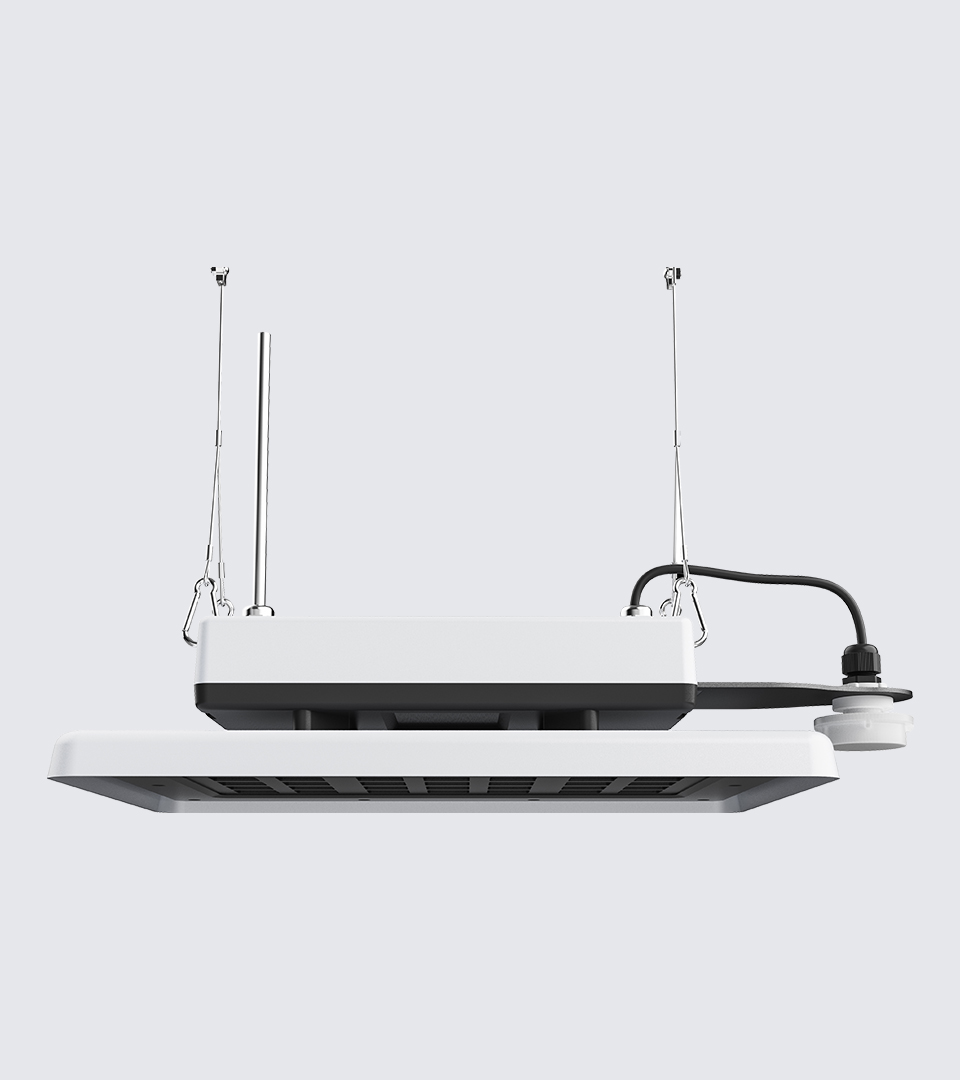
One such lighting solution that integrates seamlessly in this context is the
Squarebeam Elite:
Building Management Systems and Lighting Efficiency
A modern Building Management System (BMS) that integrates data center lighting provides a single interface for lighting, cooling, and access systems. Using protocols such as BACnet or Modbus, lighting can:
- Respond in real-time to temperature or occupancy changes
- Log energy usage for sustainability metrics
- Enable predictive maintenance of lighting fixtures
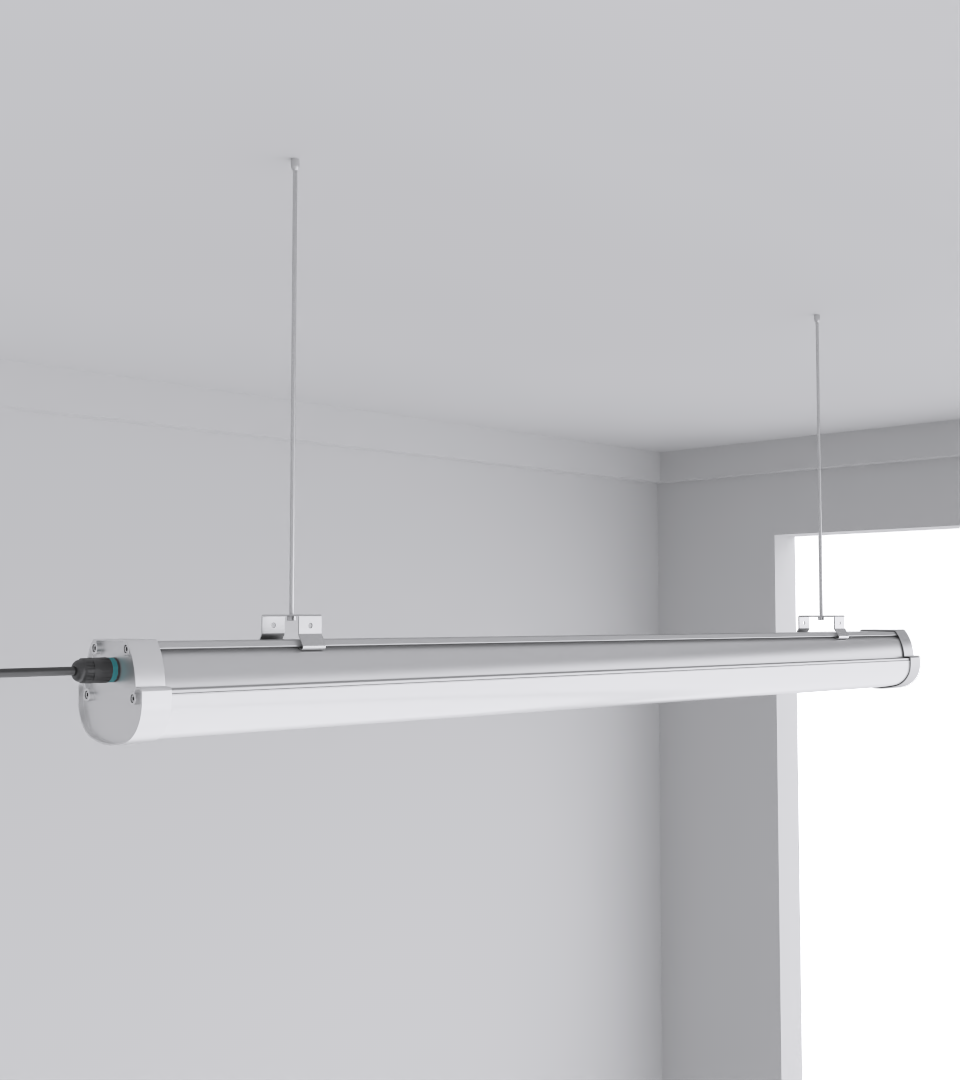
Facilities with high humidity or dust require durable lighting solutions.
One such option is the
Quattro Triproof Batten:
Recommended Products for High-Efficiency Lighting
Selecting the right lighting for a data center involves a combination of:
- High lumen per watt output
- Integration capability with BMS or DCIM platforms
- Support for real-time analytics and fault monitoring
Below are top-tier products designed for such environments:
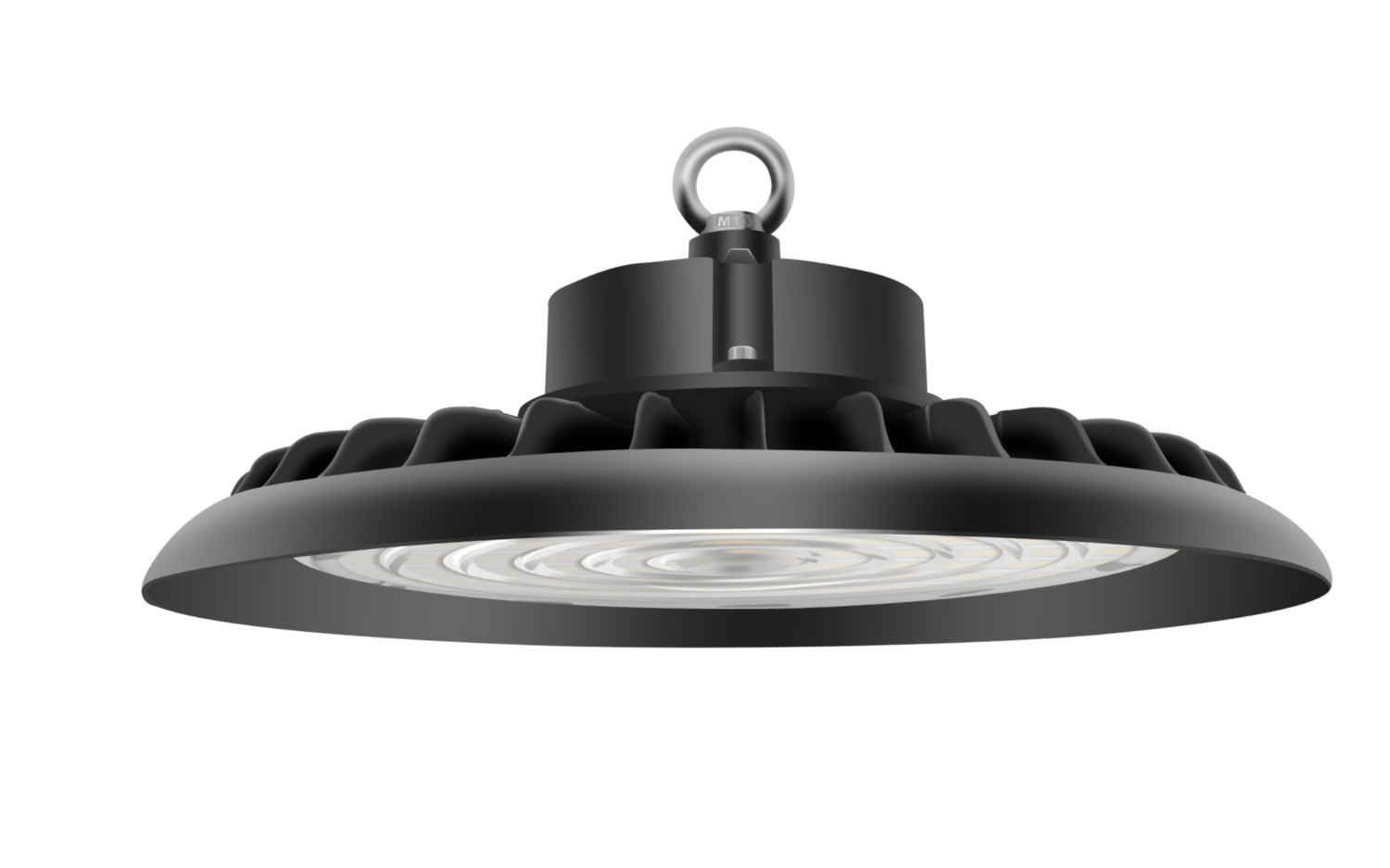
For cost-efficient deployment in general corridors or server room perimeters:


Sustainability Compliance and Lighting Solutions
Lighting contributes directly to sustainability compliance reporting. By replacing legacy fluorescents with LED systems, data centers can:
- Cut lighting energy use by 60–80%
- Reduce BTU output, easing HVAC loads
- Integrate into energy dashboards for real-time power information
Federal and High-Tech Use Cases
Federal Agencies
Government data centers often require stringent lighting protocols for secure access. Agencies using Nlyte’s DCIM tools can tie lighting data to asset lifecycle management and improve traceability and fault alerting through smart luminaires.
High-Tech Industry
High-tech environments rely on colocation solutions and hybrid cloud. Adaptive lighting helps optimize server workload conditions by improving visual access during infrastructure changes, and linking directly with building automation protocols.
FAQ
Q1: How does data center lighting support integrated data center management?
A: Lighting integrates with DCIM and BMS platforms to provide automation, energy data, and safety insights, directly supporting maintenance and sustainability workflows.
Q2: Why should I prioritize lighting in hybrid cloud and edge environments?
A: Lighting in these environments must be automated and remotely controllable due to lack of staff. Efficient lighting ensures operational continuity and asset visibility.
Q3: Which product is best for harsh data center environments?
A: The Quattro Triproof Batten is ideal for environments with moisture or particulate risk.
Conclusion
Smart, efficient, and integrated data center lighting is more than a facility accessory—it’s a core component of holistic infrastructure management. By leveraging BMS-integrated fixtures and intelligent lighting systems, operators can enhance efficiency, reduce costs, and ensure compliance across hybrid and high-density environments.