
Data Centre Operations Mastery: KPI Benchmarks, AI Power Demands, Energy Strategies, and Sustainability Frameworks
–
- Understanding Modern Data Centre Operations
- Essential KPIs for Operational Performance
- AI-Driven Demands and Infrastructure Scaling
- Energy Infrastructure and Grid Constraints
- Sustainability in Data Centre Operations
- Cybersecurity in Operational Technology (OT)
- Market Position and Strategic Location Planning
- Best Practices for Operational Resilience
- Frequently Asked Questions (FAQ)
Key Takeaways
| Question | Answer |
|---|---|
| What are the core KPIs for data centre operations? | PUE, DCiE, cooling efficiency, rack density, energy cost, uptime. |
| How is AI affecting operations? | Increasing rack power density, driving liquid cooling adoption, creating energy planning challenges. |
| How can lighting improve efficiency? | Intelligent LED fixtures reduce energy use, enhance visibility, and support security in 24/7 environments. |
| What role does sustainability play? | Operators must reduce carbon footprint, manage water use, and integrate renewable energy into operations. |
| How can downtime risks be reduced? | Use modular architecture, predictive maintenance, and dual redundancy in critical systems. |
1. Understanding Modern Data Centre Operations
Data centre operations encompass the continuous management of physical infrastructure, IT assets, environmental conditions, and supporting systems such as power, cooling, and lighting. In my 12 years in the industry, I’ve seen facilities with identical equipment deliver vastly different results because their operational discipline was either sharp or lacking.
In practical terms, operations teams are responsible for:
- Monitoring real-time performance through DCIM tools.
- Maintaining uptime according to SLAs.
- Optimizing cooling, airflow, and energy use.
- Ensuring security across physical and digital access points.
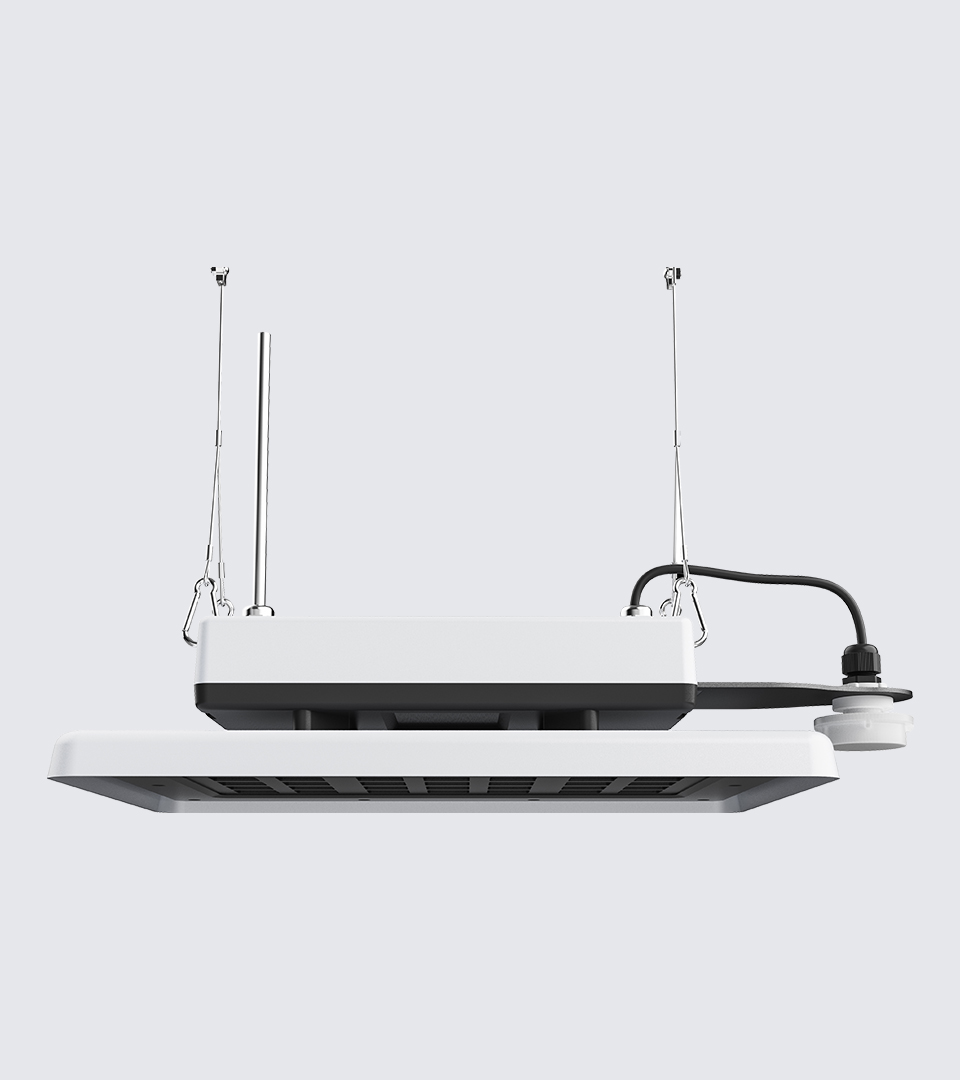
- Managing lighting for both visibility and energy efficiency — products like the Squarebeam Elite are designed specifically for high-temperature and high-security environments.
The key is integrating all these aspects so that no single factor becomes a bottleneck. This includes lighting, which is often overlooked — I’ve personally walked into data halls where glare and uneven illumination created hazards for technicians.
2. Essential KPIs for Operational Performance
The core KPIs in data centre operations aren’t just numbers on a dashboard — they guide investment, workflow, and design decisions. The most crucial ones include:
- PUE (Power Usage Effectiveness): Ratio of total facility power to IT equipment power.
- DCiE (Data Centre Infrastructure Efficiency): Inverse of PUE.
- Rack Density: Average power draw per rack in kW.
- Cooling Efficiency: Measured in kW/ton or COP (Coefficient of Performance).
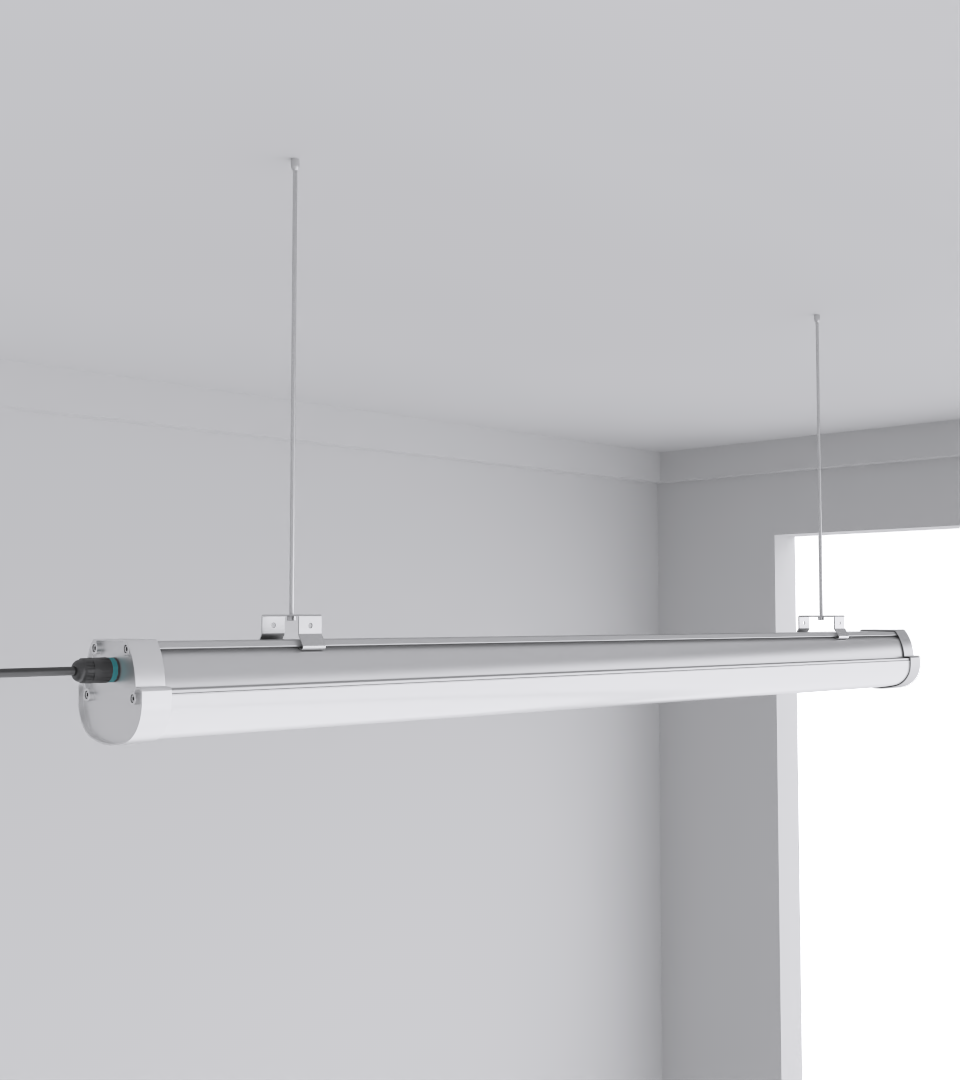
- Lighting Energy Use: Often <2% of total load but can be reduced further with motion sensors like in the Quattro Triproof Batten.
| KPI | Target Value | Why It Matters |
|---|---|---|
| PUE | ≤ 1.3 | Improves energy efficiency and lowers costs |
| Rack Density | 8–15 kW (legacy), 30+ kW (AI workloads) | Guides cooling design |
| Lighting Load | ≤ 2% of facility energy | Reduces operational costs |
3. AI-Driven Demands and Infrastructure Scaling
AI workloads have shifted the operational landscape. In facilities I’ve managed, rack densities have tripled over the last five years. This drives the adoption of liquid cooling systems and denser power distribution.

Lighting also plays a role here. High-density racks mean more cabling overhead and underfloor — good lighting ensures faster troubleshooting and safer interventions. Fixtures like the SeamLine Batten provide even distribution without casting shadows on critical components.
4. Energy Infrastructure and Grid Constraints
Energy availability is becoming a limiting factor for expansion. In some regions, lead times for grid connections now exceed 36 months. This makes on-site generation and power purchase agreements (PPAs) increasingly important.
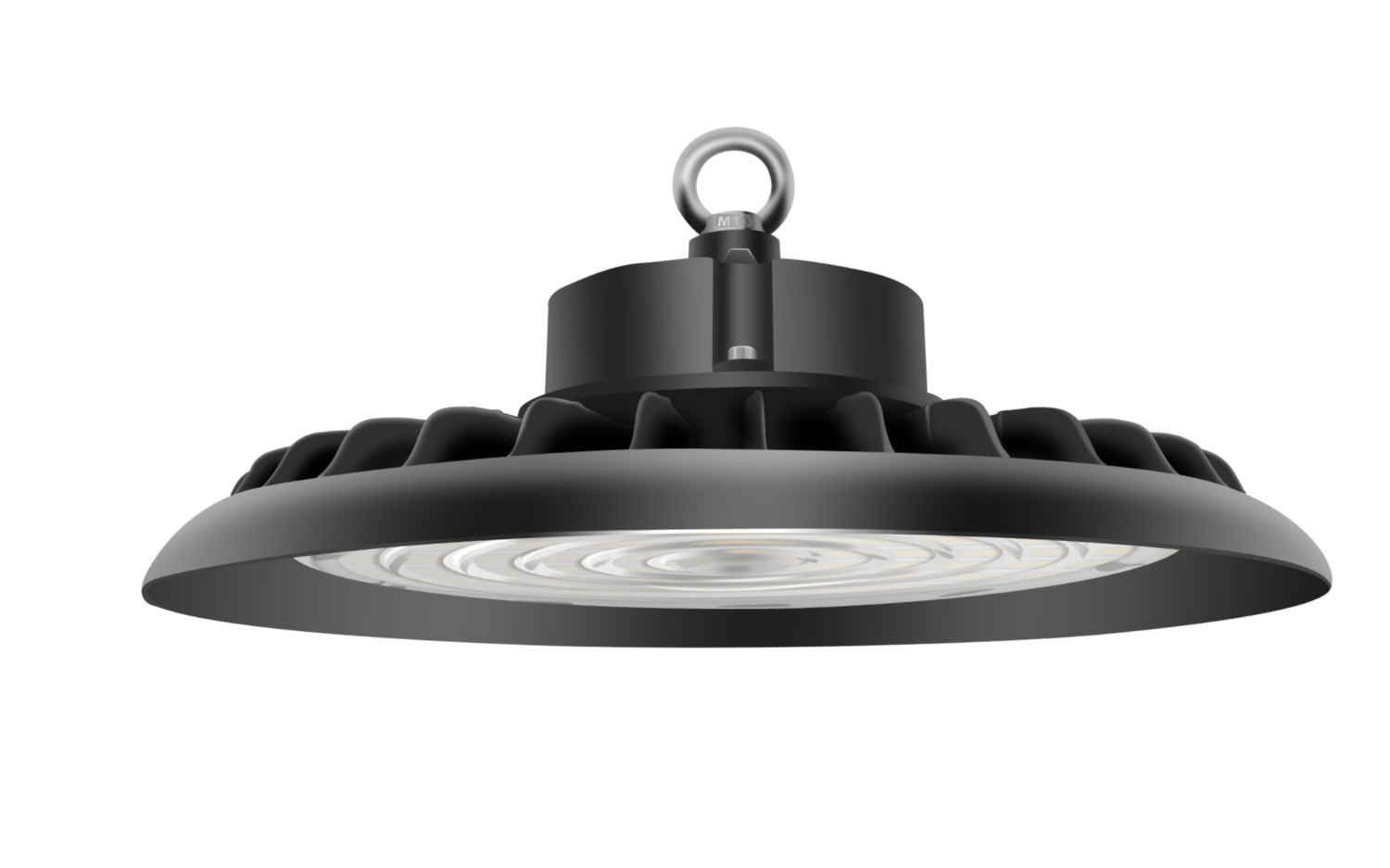
Lighting upgrades can reduce load on backup systems during outages. I’ve seen facilities where replacing legacy fluorescents with Budget High Bay Lights freed up enough UPS capacity to support an additional 10 minutes of runtime — valuable in grid failure scenarios.
5. Sustainability in Data Centre Operations
Sustainability is no longer optional — it’s a compliance and reputation factor. This means:
- Reducing carbon footprint through renewable integration.
- Managing water use in evaporative cooling.
- Switching to low-energy infrastructure, including LED lighting with smart control.

I’ve seen carbon audits where lighting accounted for a surprising share of “easy wins” in efficiency. Motion-sensor systems reduced lighting-related CO₂ by over 60% in one project.
6. Cybersecurity in Operational Technology (OT)
It’s not just IT systems at risk — OT elements like BMS, HVAC controls, and even lighting networks can be exploited. I once worked on a site where an unsecured lighting control gateway became an entry point for network reconnaissance.
Mitigation steps:
- Segment OT from IT networks.
- Use encrypted protocols for control systems.
- Monitor for anomalies in power and usage patterns.
7. Market Position and Strategic Location Planning
Data centre growth hotspots like Northern Virginia, Phoenix, and Johor are driven by power availability, latency needs, and climate. Operators must balance real estate costs with infrastructure readiness.
Lighting procurement also changes by market — in humid climates, IP65-rated fixtures like the Quattro Triproof Batten prevent condensation damage.
8. Best Practices for Operational Resilience
- Adopt modular architecture for flexibility.
- Implement predictive maintenance on all systems.
- Design for dual redundancy in critical infrastructure.
Lighting resilience tip: In one hyperscale site, dual-fed emergency lighting circuits meant maintenance crews could continue work even during UPS switchover events.
Frequently Asked Questions (FAQ)
Q: What is the most important KPI in data centre operations?
A: PUE is often the most discussed, but cooling efficiency and uptime are equally critical.
Q: How can lighting improve data centre operations?
A: Efficient lighting improves technician accuracy, reduces energy use, and supports security monitoring.
Q: Are motion sensors viable in 24/7 facilities?
A: Yes, when configured for occupancy zones rather than whole halls.
Q: What’s the biggest emerging challenge for data centres?
A: Power grid constraints and the rapid increase in rack power density due to AI workloads.