
Essential Guide to Emergency Lighting in Colocation Data Centers: Compliance, System Design, and Best Practices
Table of Contents
- Understanding Emergency Lighting Systems
- Regulatory Compliance & Standards
- Designing Emergency Lighting Systems
- Selecting Appropriate Lighting Technologies
- Centralized vs. Distributed Power Systems
- Integration with Other Safety Systems
- Maintenance and Testing Protocols
- Innovations in Emergency Lighting
- Case Studies and Real-World Applications
- Conclusion
- Frequently Asked Questions (FAQ)
Key Takeaways
| Feature or Topic | Summary |
|---|---|
| Integration Benefits | Energy savings, streamlined operations, enhanced monitoring, and predictive maintenance. |
| Key Protocols | BACnet, Modbus, SNMP ensure interoperability. |
| Implementation Strategies | Assess existing infrastructure, select compatible systems, phased deployment recommended. |
| Operational Advantages | Reduced downtime, improved safety, occupant comfort, and significant sustainability contributions. |
Understanding Emergency Lighting Systems
Emergency lighting systems are designed to provide illumination when the main power supply fails. These systems are essential in data centers, where safety is paramount. These systems are activated during power outages, providing crucial light to guide personnel to exits, ensuring safe evacuations and operation continuity.

Regulatory Compliance & Standards
Compliance with industry standards like NFPA 101 and UL 924 is essential for emergency lighting in data centers. These regulations ensure that emergency lights meet the required illumination levels and backup duration to provide reliable performance during power outages.
Designing Emergency Lighting Systems
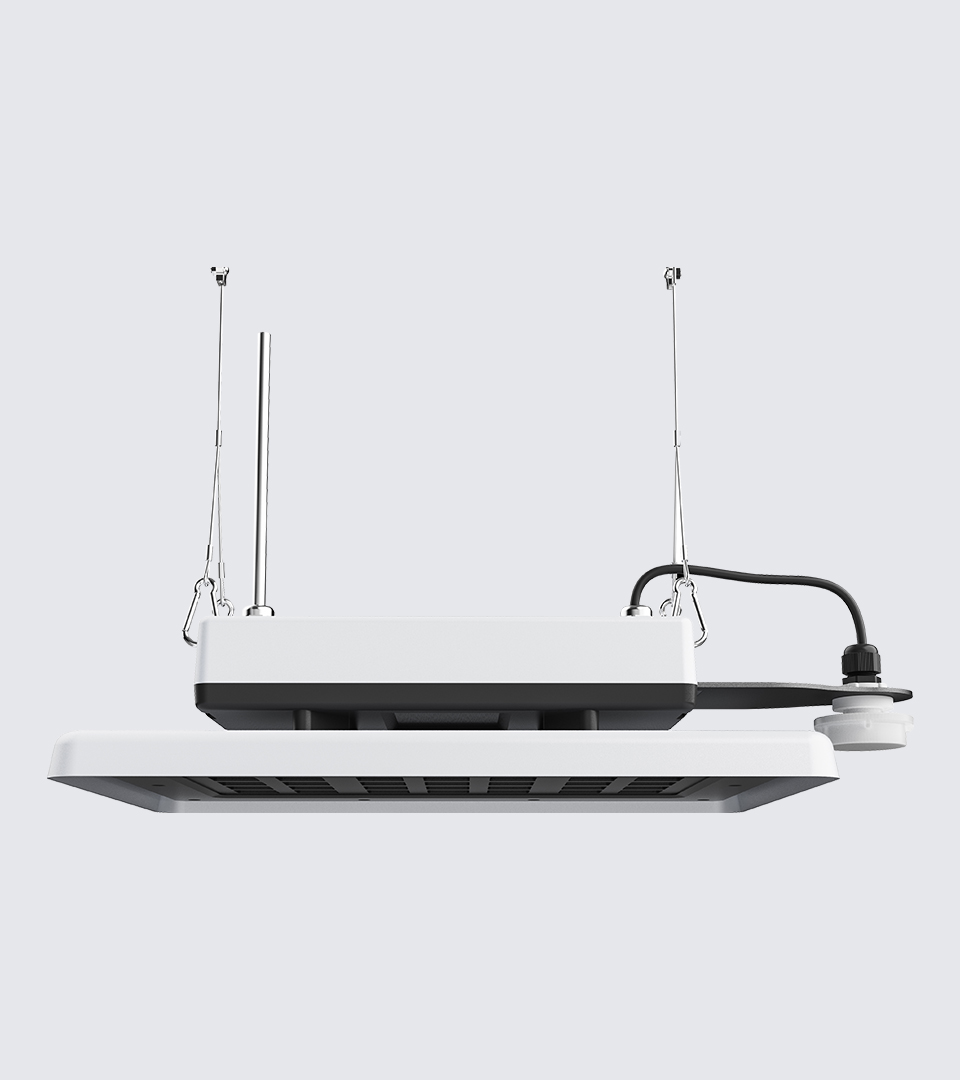
Designing an effective emergency lighting system in colocation data centers involves considering factors like the facility layout, occupancy, and risk assessment. Ensuring that every area, especially high-risk zones, has adequate coverage is crucial for safety and regulatory compliance.
Selecting Appropriate Lighting Technologies
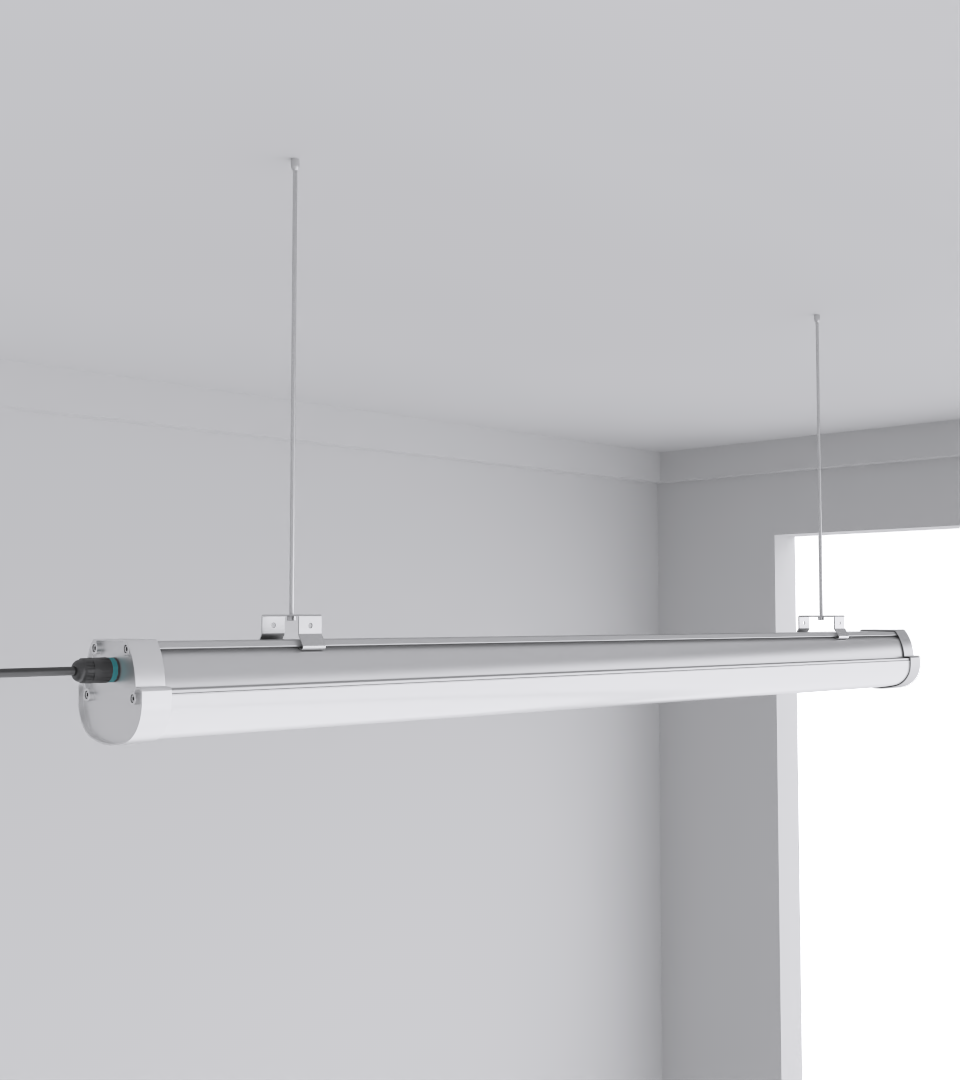
LED lighting is highly preferred in data centers for emergency lighting due to its energy efficiency and longevity. LEDs are more reliable, and their ability to function effectively in high-temperature environments makes them ideal for data center applications.
Centralized vs. Distributed Power Systems
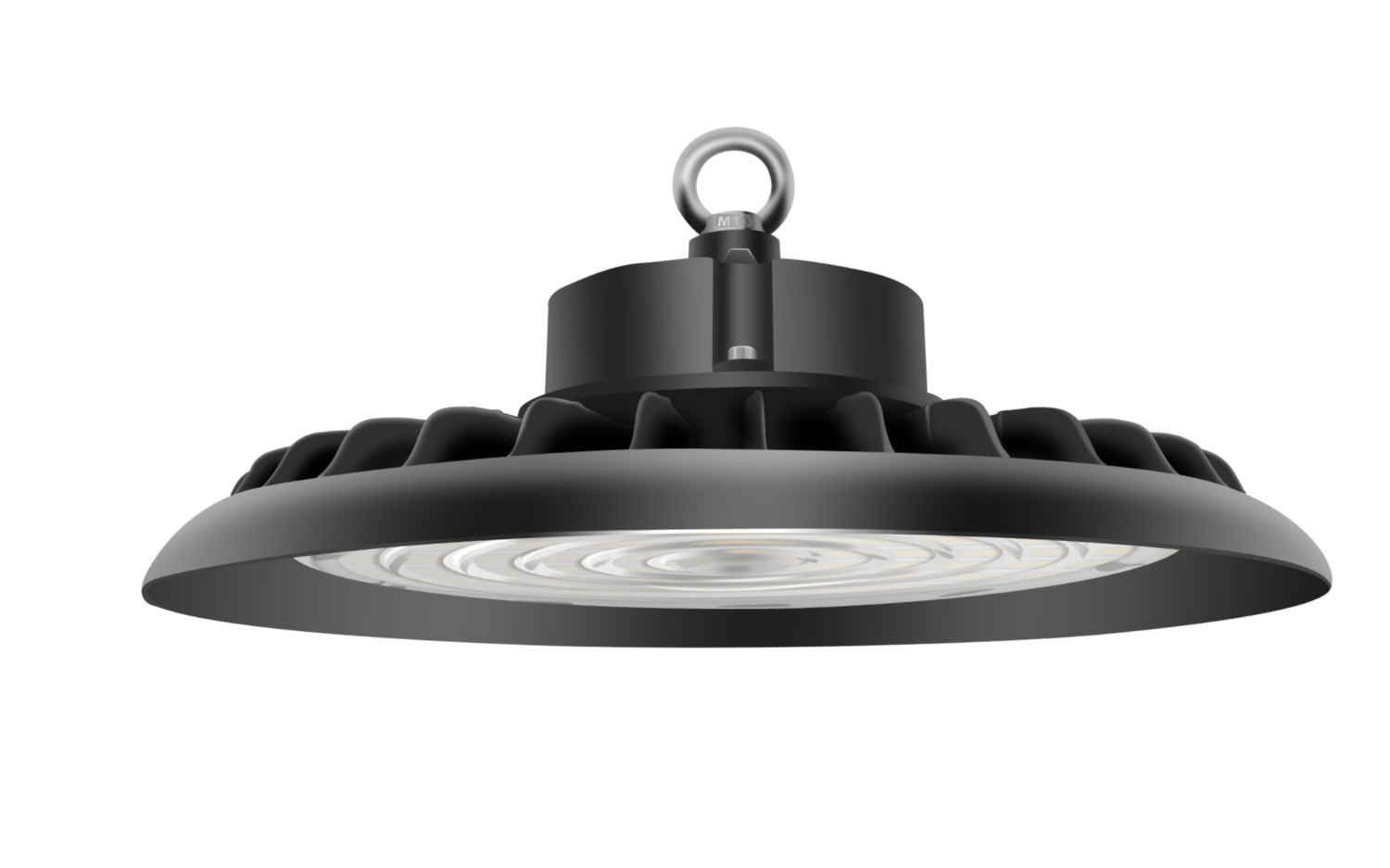
Choosing between centralized and distributed power systems for emergency lighting depends on the size and complexity of the data center. Centralized systems are cost-effective for smaller setups, while distributed systems offer more flexibility for larger facilities.
Integration with Other Safety Systems
Emergency lighting systems should be integrated with other critical safety mechanisms like fire alarms and HVAC systems. This coordination ensures a smooth, automated response during emergencies, maximizing both safety and efficiency.

Maintenance and Testing Protocols
Regular maintenance and testing are essential to ensure emergency lighting systems are operational during a power failure. These tasks include battery testing, fixture inspections, and system checks to comply with safety standards.
Innovations in Emergency Lighting
As technology advances, data centers are adopting IoT-enabled emergency lighting systems, providing real-time diagnostics and remote monitoring capabilities. This integration allows operators to manage their systems more effectively and efficiently.
Case Studies and Real-World Applications
Case studies like the successful implementation of emergency lighting in facilities such as DHL’s data center and Tesco’s colocation facility offer valuable insights into effective system design and integration.
Conclusion
Emergency lighting in colocation data centers is critical to ensuring safety, regulatory compliance, and operational continuity. By selecting the right technology, designing effective systems, and adhering to maintenance protocols, operators can secure a safe and efficient data center environment.
Frequently Asked Questions (FAQ)
1. What are the key compliance standards for emergency lighting in data centers?
Compliance standards include NFPA 101 and UL 924, which outline the requirements for illumination levels and battery backup durations.
2. Why are LED lights preferred in data centers for emergency lighting?
LEDs are energy-efficient, durable, and capable of operating in high-temperature environments, making them ideal for data center applications.
3. How often should emergency lighting systems be tested?
Emergency lighting systems should undergo routine inspections and testing, typically every 6 months, to ensure functionality during power outages.
4. What is the difference between centralized and distributed power systems?
Centralized systems use one central battery to power multiple fixtures, while distributed systems have individual batteries for each fixture, offering more flexibility.